
Philippines Healthy Snacks Market Set to Explode: You Won't Believe the Shocking Numbers!

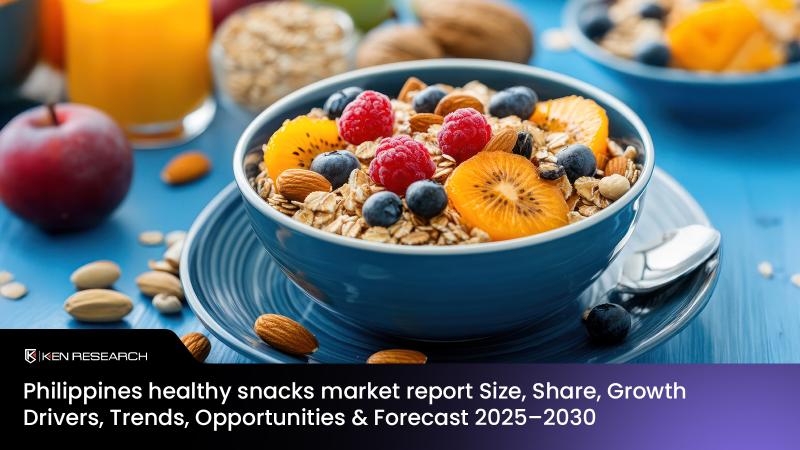
The Philippines' healthy snacks market is on a promising trajectory, with a recent report priced at USD 1.1 billion revealing significant growth potential fueled by rising health awareness among urban consumers. Released by Ken Research on October 15, 2025, the comprehensive analysis—titled "Philippines Healthy Snacks Market Outlook to 2030"—illuminates the shifting preferences of Filipino consumers, particularly millennials and working professionals, who are increasingly opting for healthier snack options over traditional high-sugar and fried products.
As urbanization accelerates and lifestyles become more fast-paced, the demand for low-sugar, high-protein, and clean-label alternatives is surging. With over 60% of urban consumers actively checking nutritional labels before purchase, this transition underscores a significant behavioral change in the snacking landscape. The report highlights an expanding variety of healthier snack choices—including protein bars, nuts, seeds, baked chips, dried fruits, functional biscuits, and low-calorie options—that are gaining traction across supermarkets and convenience stores.
Namit Goel, Research Director at Ken Research, stated, "Health-focused snacking is no longer a niche trend in the Philippines—it is fast becoming mainstream." This shift is driven by key factors identified in the report, which outlines four major dynamics shaping the healthy snacks market:
- Shift Toward Preventive Health and Wellness: Rising concerns about obesity, diabetes, and cardiovascular diseases are prompting consumers to adopt preventive dietary habits. Products that focus on low sugar, high protein, and fiber-rich formulations are increasingly visible in retail spaces.
- Urbanization and On-the-Go Consumption: The growing urban workforce is fueling demand for convenient, portable snacks. Items like nutrition bars and roasted snacks are experiencing rapid uptake, particularly in metro areas and Tier-1 cities.
- Expansion of Modern Retail and E-Commerce: The proliferation of organized retail chains and online grocery platforms is enhancing product visibility and accessibility, allowing niche brands to reach health-conscious consumers more effectively.
- Product Innovation and Localization: Manufacturers are increasingly introducing flavors and ingredients that resonate with local tastes while adhering to clean-label standards, innovating with natural sweeteners, indigenous grains, and plant-based proteins.
The report serves as a vital resource for decision-makers, providing detailed insights into market structure, consumer behavior, competitive positioning, and investment opportunities within the evolving healthy snacks sector in the Philippines. With penetration still in its early stages compared to more mature markets, there’s a discernible opportunity for expansion, premiumization, and growth driven by innovation.
Furthermore, the analysis outlines critical strategic questions for industry executives and investors, including market entry timing and go-to-market strategies. It emphasizes that early movers in this space can establish a strong brand presence as consumer education accelerates.
Brands are advised to focus on distribution strategies tailored to target demographics, with a competitive benchmarking analysis of over 15 key players—both international and domestic—providing insights into pricing strategies, health claims, and channel focus. Investment prioritization strategies are also identified, guiding capital allocation towards underpenetrated categories like protein-based and affordable healthy snacks.
Emerging trends highlighted in the study include the growing popularity of functional and fortified snacks, which are increasingly viewed as meal complements rather than mere indulgences. Consumers are gravitating towards products enriched with proteins, probiotics, vitamins, and minerals. Additionally, there’s a notable demand for clean-label snacks that feature natural ingredients and transparent labeling, especially among urban buyers.
Moreover, brands are innovating with smaller portion sizes and localized pricing strategies to enhance accessibility for a broader consumer base. Harsh Saxena, Principal at Ken Research, noted, "What differentiates this mandate is its focus on translating consumer health trends into actionable business strategy." The report aims to equip stakeholders with essential insights to align their products, pricing, and expansion strategies with the evolving expectations of consumers.
As the Filipino population increasingly transitions towards healthier eating habits, the healthy snacks market emerges as a compelling growth opportunity. Industry stakeholders seeking to delve deeper into the analysis can access the full report by contacting Ken Research or visiting their website.
Can the Broncos Stun the NFL? Shocking Scenarios for Week 17 AFC Playoff Glory!
Is 'Fibermaxxing' the Secret to Losing 10 Pounds in Just 2 Weeks? Discover the Shocking Truth!

You Won't Believe Which NFL Teams Are Locking in Playoff Spots in Week 17—Shocking Bracket Revealed!

Unlock the Secret: 7 Insulated Tumblers That Could Transform Your Workday—#3 Will Shock You!

You Won't Believe the Jaw-Dropping Gadgets Releasing for Christmas 2025—Get Ready to Be Shocked!

You Won't Believe What This Shocking Swine Health Strategy Revealed – Is Your Pork Safe?
You might also like: