
You Won't Believe What Happens to Your Body When You Eat Popcorn Every Day—Doctors Reveal Shocking Truth!

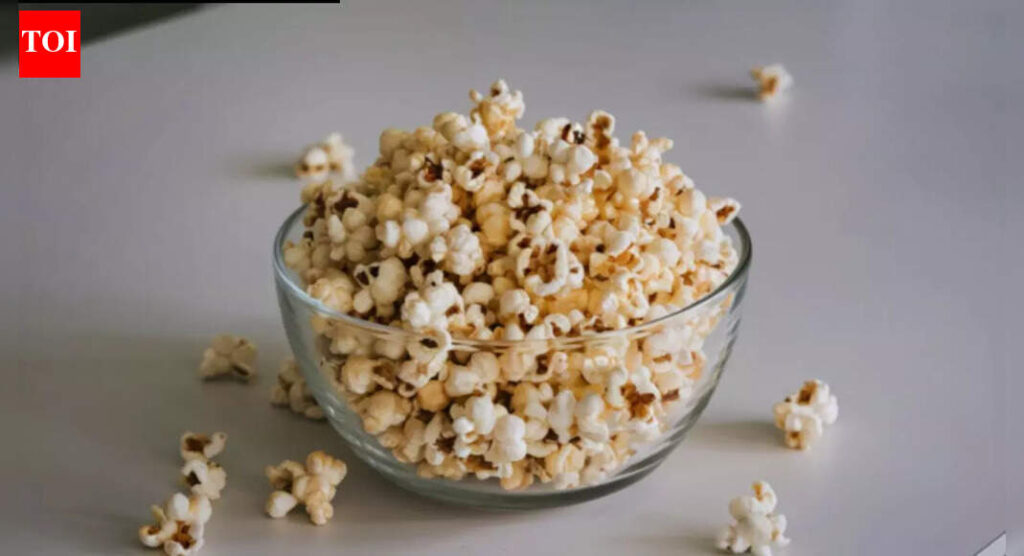
Popcorn, often relegated to the status of mere movie theater fodder or a desk snack, has a surprising depth that deserves attention. This humble snack is not just a source of crunch but also a whole grain, naturally high in fiber and less processed than many packaged alternatives. What’s more, recent research has uncovered that popcorn contains an impressive amount of antioxidants, surpassing many fruits and vegetables that are typically viewed as more healthful options. These beneficial compounds reside in the outer skin of the kernel and remarkably survive the popping process, offering more nutritional value than many might expect.
When it comes to snack foods, the general consensus among nutrition experts is often skeptical. Many snacks are laden with sugars, salts, or unhealthy fats, providing little more than empty calories. However, popcorn stands out. Made from whole corn kernels, it retains all the essential components of the grain, ensuring that nothing is stripped away before it reaches your bowl. Anyone who has swapped chips for plain popcorn knows that it feels different in the stomach; it fills you up and requires time to eat, offering a sense of substance that many other snacks lack.
The Nutritional Edge of Popcorn
One of popcorn's most significant advantages is its fiber content. A study titled "Analysis of Popcorn (Zea Mays L. var. Everta) for Antioxidant Capacity and Total Phenolic Content" highlights that fiber plays a crucial role in digestion, supports gut health, and helps maintain stable blood sugar levels. A modest serving of popcorn can contribute meaningfully to daily fiber intake, which many Americans still fall short of achieving. Despite its nutritional benefits, popcorn’s fiber content often goes unrecognized in the broader conversation about healthy snacks.
Another compelling aspect of popcorn lies in its hull, or pericarp. This outer skin contains phenolic acids, a type of antioxidant known for reducing inflammation and lowering the risk of chronic diseases. What makes these antioxidants particularly interesting is how they are bound tightly to the fiber structure, rather than existing freely. This binding mechanism might explain why popcorn has often been underestimated as a health food.
In most cases, heat reduces nutritional value, but not with popcorn. Research comparing the antioxidant levels in raw corn kernels to those in popped popcorn indicates that the antioxidant capacity remains largely unchanged after popping. This is contrary to what many would assume. The protective structure of the kernel appears to shield these beneficial compounds during the heating process, making popcorn a nutritious option even after it is cooked.
The unique digestion process of popcorn also adds to its health benefits. The polyphenols in popcorn are bound to fiber, meaning they are released during digestion rather than being absorbed immediately. Studies have shown that a significant portion of these antioxidants becomes bioaccessible in the gut, allowing them to act further along the digestive tract where they may be more needed. This slow release may even promote better health outcomes over time.
Popcorn is often compared to other whole grains, which are associated with a lower risk of heart disease, type 2 diabetes, and hypertension. Despite its unique nutritional profile, popcorn seldom receives the same recognition as oats or brown rice. However, it is worth noting that snacks already account for a significant share of whole grain intake in some diets. This makes popcorn quietly important; while it may not be perfect, it serves an essential role in many people's diets. Sometimes, the path to better health lies in small, easily achievable changes.
However, not all popcorn is created equal. The health benefits can quickly dissipate when popcorn is coated in butter, sugar, or artificial flavorings. High-calorie, heavily flavored varieties available at cinemas and in microwaveable bags can negate the nutritious properties that plain, air-popped popcorn offers. It is the latter—lightly seasoned or unseasoned—that studies typically emphasize as a healthy choice.
Ultimately, popcorn doesn’t require any hype or an elevation to superfood status. It is not intended to replace fruits or vegetables but deserves to be recognized for its own merits. As a whole grain snack rich in fiber and bioaccessible antioxidants, it complements a balanced diet better than many alternatives. Popcorn has been around for a long time, quietly contributing to our nutrition, yet many have simply overlooked its value.
Disclaimer: This content is informational in nature and should not be considered medical advice. Always consult a healthcare professional for personalized guidance.
Trump Ally Asfura’s Shocking Victory: What This Means for America and Your Future!

Why This Year’s Brownsville Lopez Boys Soccer Team Could Break All Records—Will You Be There to Witness History?

How Microcompanionship is Secretly Shaping Your Online Life—And You’ll Never Guess Who’s Behind It!

Democratic Governors Demand Trump Lift Offshore Wind Freeze—What They Discovered Is SHOCKING!

You Won't Believe What Happened When Governor Hochul Stepped in to Save Kingsbrook Shul!

Investors: Are You Ignoring This $10 Trillion Opportunity? Don’t Miss Out!
You might also like: