
US Sanctions 5 European Power Players: What They're Hiding About Big Tech's Future!

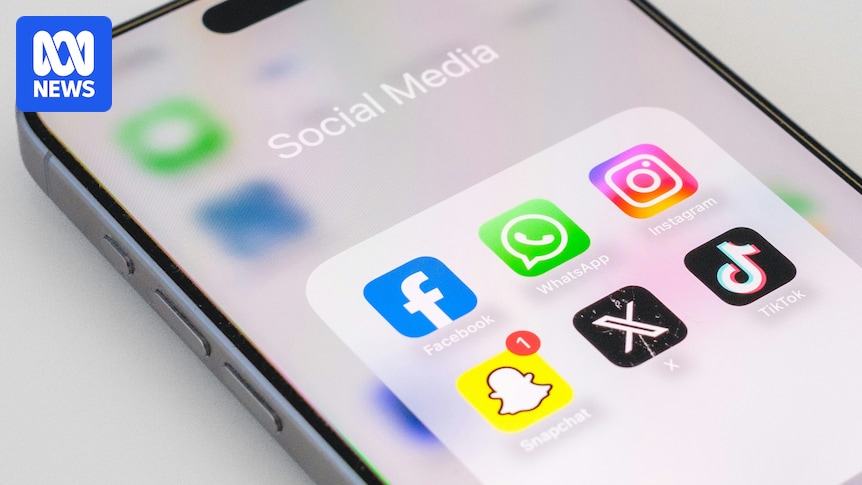
The European Union (EU) and several member states have vehemently criticized recent sanctions imposed by the United States on five European figures involved in regulating technology companies. This includes former European Commissioner Thierry Breton, who has been a prominent player in shaping digital policy within the EU.
The US State Department announced that it would deny visas to these individuals, accusing them of attempting to "coerce" American social media platforms into censoring viewpoints they disagree with. This move has prompted strong reactions from leaders in countries like France, Germany, and Spain, who defend their right to regulate their own digital landscapes.
In a statement, the European Commission emphasized its commitment to engaging with US authorities for clarification regarding the sanctions. They underscored that they will respond "swiftly and decisively" if necessary to uphold their regulatory autonomy against what they deem as unjustified measures. The Commission maintained that their digital rules are designed to ensure a "safe, fair, and level playing field for all companies, applied fairly and without discrimination."
US Secretary of State Marco Rubio stated that these restrictions are aimed at combating "extraterritorial censorship," framing the issue around the rights of American companies to operate without foreign interference.
Thierry Breton is known for frequently clashing with tech executives like Elon Musk about their obligations to adhere to European rules. The State Department has labeled him the "mastermind" behind the EU's Digital Services Act (DSA), which establishes content moderation standards and other requirements for major social media platforms operating within Europe. The DSA mandates that these platforms must provide explanations for content moderation decisions and ensure transparency for users, particularly concerning children's exposure to harmful content.
However, the DSA has become a contentious point among US conservatives, who argue that it serves as a tool for censorship against right-wing perspectives in Europe and beyond—an accusation that the EU vehemently denies. "The DSA was democratically adopted by the EU for the EU — it does not have extraterritorial effect," said German Foreign Minister Johann Wadephul, adding that the visa bans are "not acceptable."
French President Emmanuel Macron echoed these sentiments, asserting that Europe will defend its "regulatory autonomy." He condemned the US measures as "intimidation and coercion aimed at undermining European digital sovereignty."
"France condemns the visa restriction measures taken by the United States against Thierry Breton and four other European figures,"
Macron stated, reinforcing his commitment to uphold European regulations in the tech sector.
Following Breton's departure from the commission in 2024, Stephane Sejourne, his successor in charge of the EU's internal market, stated on social media that "no sanction will silence the sovereignty of the European peoples."
The sanctions also target individuals like Imran Ahmed of the Center for Countering Digital Hate, a nonprofit dedicated to combating online misinformation, as well as Anna-Lena von Hodenberg and Josephine Ballon of HateAid, a German organization recognized as a trusted flagger for enforcing the DSA. Additionally, Clare Melford, who leads the UK-based Global Disinformation Index (GDI), was included in the visa ban list.
In response, a statement from HateAid characterized the US government's decision as an "act of repression by an administration that increasingly disregards the rule of law and tries to silence its critics with all its might." A GDI spokesperson condemned the sanctions as an "authoritarian attack on free speech and an egregious act of government censorship," labeling the actions as "immoral, unlawful, and un-American."
This unfolding situation highlights the growing tensions between the EU and the US over digital regulation, as both sides grapple with the implications of their respective policies on the global stage. For American readers, this ongoing dispute not only sheds light on the complex relationship between international governance and technology but also raises critical questions about freedom of speech, regulation, and the future of digital platforms.
Christmas Eve Shock: S&P 500 Hits Record High, But What’s Behind the 3% Dip in Futures?

You Won't Believe the 10 Must-Watch Netflix Titles Dropping in 2025 – #4 Will Shock You!

Startup Founders at Risk: Are You Hiding Foreign ESOPs? Shocking Tax Consequences Revealed!

The Shocking Truth About Which Conferences Will Dominate the 2025-26 College Football Bowl Season! Don’t Miss Out!
Mt. Gox's Mysterious $114M Bitcoin Heist: Are You Missing Out on the Shocking Truth?
Can Underestimated Teams Shock the Sports World? Discover the Explosive College Football Playoff Rankings NOW!
You might also like: