
Is TikTok's Shocking Deal the Secret to Reviving North America's $100B Smartphone Market by 2026?

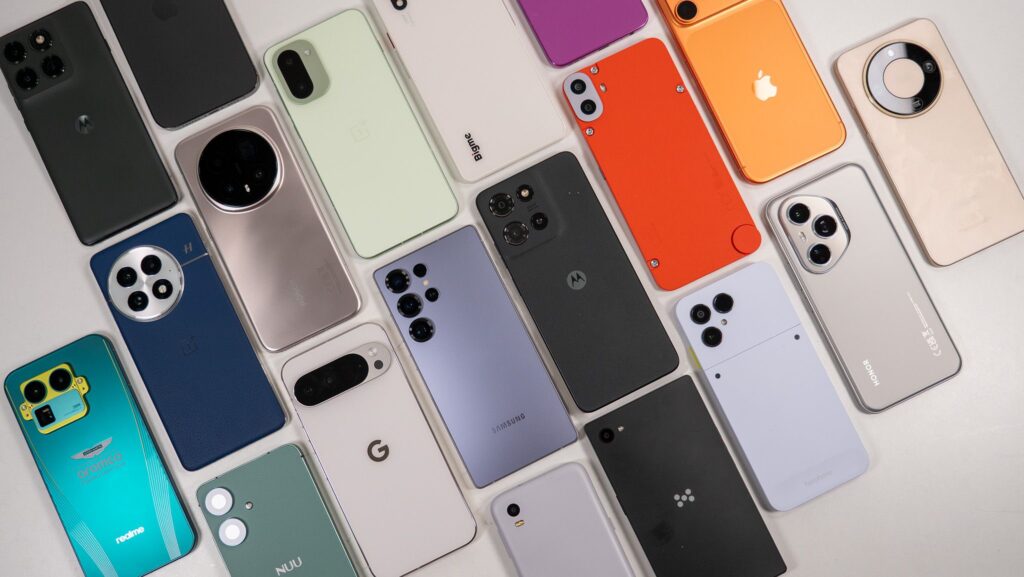
As you stroll through the streets of any major city in the U.S., it quickly becomes clear that the smartphone landscape is largely dominated by two brands: Apple and Samsung. Despite the numerous options available globally, American consumers predominantly gravitate towards these two giants, leading to a stagnant market where alternatives struggle to gain a foothold.
Market share reports may indicate slight gains for brands like Motorola and Google, but the reality of consumer preference remains unchanged. This dual-brand dominance has significant implications for innovation and competition, particularly as consumer interests continue to evolve.
However, a potential shift could be on the horizon, particularly if a deal involving TikTok and American investors materializes in 2026. This divestiture, which would require TikTok to sell off 80% of its U.S. operations to comply with government regulations, could pave the way for greater competition among smartphone manufacturers. If successful, this precedent might encourage more Chinese smartphone manufacturers—such as OnePlus, Oppo, Xiaomi, and Honor—to establish a credible presence in North America.
New Opportunities on the Horizon
While TikTok is primarily an app and not a smartphone maker, the actions taken by its investors could inspire similar moves by manufacturers. OnePlus has already set a precedent by creating a U.S. corporation to handle sales and support. The hope is that other brands will follow suit, making their devices more accessible to American consumers. Currently, OnePlus devices, like the OnePlus 15, are sold unlocked through platforms like Amazon and Best Buy, yet a more robust market presence could help encourage competition.
A notable example from recent history is Honor, which successfully transitioned into a standalone brand after being sold by Huawei in 2020. This separation allowed Honor to continue producing smartphones capable of utilizing Google services, positioning it as a competitive player in the market. Honor has since gained traction, offering extensive software support, including up to seven years of updates for its flagship devices, on par with what Apple and Samsung provide.
While the prospect for growth looks promising, it’s important to temper expectations. Significant changes are unlikely to happen overnight, and while 2026 could mark some progress, substantial shifts in the market dynamics may take longer to fully materialize.
In the interim, the smartphone market in North America is likely to maintain its status quo, punctuated by a few notable exceptions. For example, Motorola is reportedly working on a book-style foldable device to compete with Samsung's Galaxy Z Fold series, which would add some much-needed diversity. To date, only the Pixel Fold has posed a challenge to Samsung's dominance, and even then, Google has yet to deliver a product that impresses consumers significantly.
Looking ahead, the impending launch of the Galaxy TriFold in 2026 represents a significant milestone in the realm of foldable phones. Additionally, both Apple and Google are investigating alternatives to PWM dimming for OLED screens—a concern for users sensitive to flickering displays. Currently, options for flicker-sensitive consumers are limited to brands like Motorola and OnePlus, underscoring the stagnation in the market.
Interestingly, a growing trend toward minimalist and E Ink phones could offer alternatives to consumers weary of the flashy and addictive nature of traditional smartphones. Recent launches like the Fairphone 6 aim to challenge the status quo, allowing users to engage with technology while reducing dependence on it.
While these innovative devices may not hit store shelves in 2026, growing awareness and reasonable pricing could gradually introduce them to a broader audience. Although 2026 may not be a revolutionary year for the North American smartphone market, it does set the stage for important developments in the coming months. The groundwork is being laid for a future where consumers may finally enjoy a wider variety of choices.
Kerala's Tech Boom: Why Italy is Suddenly Desperate to Invest – You Won't Believe the Numbers!

New US Embassy Visa Rules: Are You Ready for Shocking Social Media Checks and 12-Month H-1B Delays?

$50 Million Deal Shattered Records: What Happened at This 300-Unit Federal Heights Community?

NYC's $25K Lifeline: How One Program Could Change Lives - Discover the Shocking Impact!

$5 Million Relief Package: Is Your Family Eligible for Heating Help? Discover the Shocking Truth!

Unlock $1,000: The Shocking Index ETF That Could Double Your Money in 2023! Don't Miss Out!
You might also like: