
Governor Vetoes Only Housing Bill! Is This a Sign of Bigger Problems Ahead?

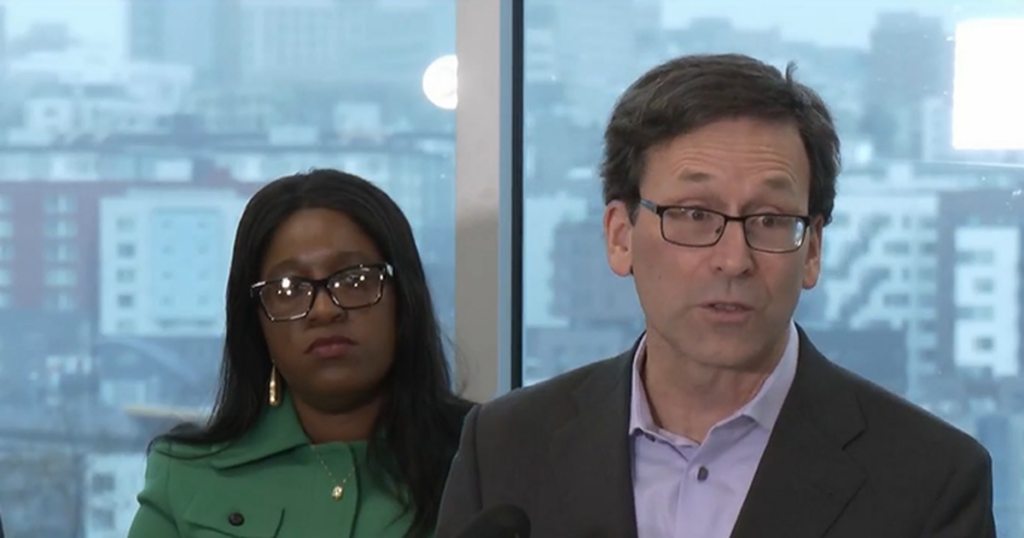
The ongoing housing crisis in Washington state has become a contentious political issue, especially following Governor Bob Ferguson's recent veto of a bill aimed at addressing rising housing costs. The only bill he fully vetoed during his first legislative session, sponsored by State Rep. Mark Klicker, R-Walla Walla, sought to study the cost drivers affecting homeownership and rental markets. Klicker's proposal was intended to gather input from builders, Realtors, tenants, union representatives, and economists, but it was dismissed by the governor, who cited budgetary constraints and previous studies identifying the primary drivers of housing costs.
In a significant move, Ferguson announced a plan to invest $244 million in housing initiatives and has established a cabinet-level housing task force designed to tackle the pressing housing needs of Washington residents. This task force is expected to make recommendations on creating “pathways to stable housing” for those on the brink of homelessness and expanding the housing supply across the state.
During a press conference, Lt. Gov. Denny Heck emphasized the importance of a focused approach to the housing crisis, stating, “We won’t make the kinds of progress we desperately need across the next generation if we don’t laser focus on it with somebody whose job it is to get that done.” According to the Washington Department of Commerce, the state will need to build approximately 1.1 million new housing units over the next 19 years, with at least half designated as affordable housing. This growing demand for housing highlights the urgency of addressing the affordability crisis impacting many residents.
Klicker expressed frustration over Ferguson's veto, branding the governor's formation of a new housing task force as “a slap in the face.” He argued that his proposal was a collaborative effort aimed at understanding the challenges faced by everyday people trying to secure affordable housing. “Washington’s housing costs are making the American dream of homeownership out of reach for far too many. Even finding an affordable place to rent is increasingly taxing people’s incomes,” he stated.
Ferguson's veto message indicated that the state’s limited resources should be prioritized for actionable solutions rather than additional studies, asserting that existing research could guide sound policy decisions. “Given the pressures on Washington’s budget, our state’s limited resources should be spent on identifying and implementing solutions to the housing crisis; I do not believe the cost of another study on cost drivers is warranted,” he wrote.
This decision comes amid broader fiscal challenges faced by Washington, with Ferguson also issuing partial vetoes on various other funding initiatives. The executive order establishing the new task force includes diverse stakeholders such as representatives from the governor’s office, the lieutenant governor, the Department of Commerce, the Office of Financial Management, legislators, local jurisdictions, and both for-profit and nonprofit housing developers. Ferguson described the housing issue as “a huge issue for our state” and emphasized the need to elevate it to a cabinet-level priority.
The contrasting approaches of Klicker and Ferguson reflect differing philosophies on how best to tackle the housing crisis. While Klicker advocates for a deeper understanding of the economic factors at play, Ferguson appears to prioritize immediate action and collaboration among a broader spectrum of stakeholders. As the housing crisis continues to evolve, the effectiveness of the governor's housing task force and its ability to address the complex needs of Washington residents will be closely watched.
This story underscores the urgent need for comprehensive strategies in tackling housing affordability, a pressing concern that resonates with many Americans as they face increasing financial strains. The implications of these political decisions will not only shape the future of housing in Washington state but could also serve as a model or cautionary tale for other regions grappling with similar issues.
Vietnam's Tech Boom: 26% Revenue Surge in 2025! Are You Missing Out on This Golden Opportunity?

You Won't Believe How Arizona Dominated Bethune-Cookman – The Shocking Stats Will Leave You Speechless!

Why Crunch Fitness's New Ohio Mega Gym Will Change Everything—Don’t Miss Out Before 2026!

Is Going Vegan the Secret to Saving 1,000+ Liters of Water Daily? You Won't Believe the Impact!

You Won't Believe Which Teams Are Set to Fight for Glory in the 2025-26 College Football Bowl Games! Find Out Now!

7 Shocking Health Breakthroughs in 2025 You Won't Believe Exist—#3 Changes Everything!
You might also like: