
Is Your USB-C Charger a Hidden Danger? Shocking Truths Every Smartphone User Must Know!

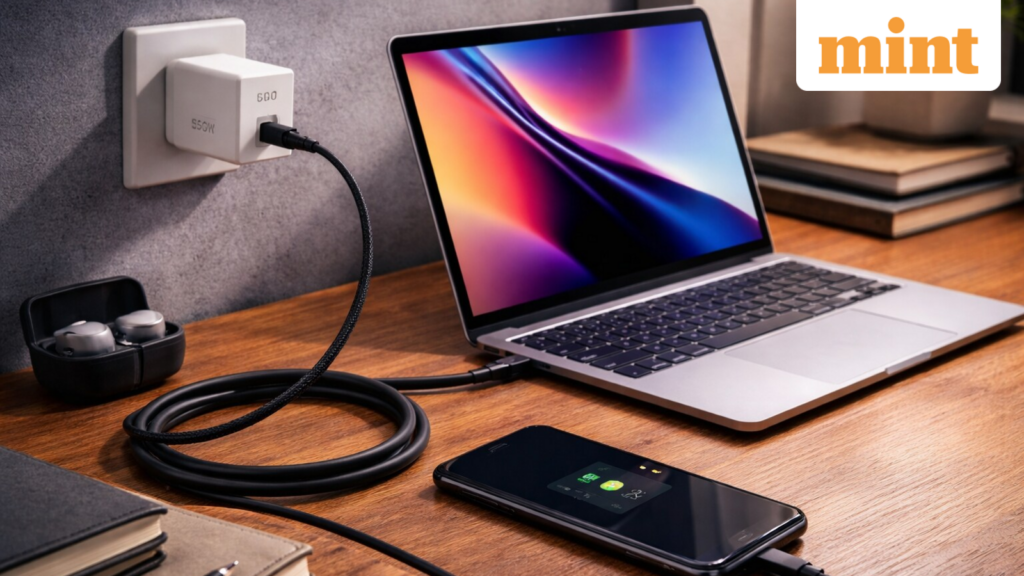
In today’s tech-driven world, the convenience of charging devices has reached new heights, thanks to the growing adoption of USB-C technology. Many of us have faced the dreaded moment when our phone battery is low, but the charger is nowhere to be found. Instead, we grab the laptop charger, plug it into our phone, and wait with a mix of hope and trepidation. Most of the time, the phone charges just fine. While this may feel like a lucky coincidence, it is, in fact, the result of years of standardization around USB-C and its underlying power negotiation systems.
USB-C is more than just a connector; it operates on a system called USB Power Delivery (USB PD). This system allows devices to communicate with one another before charging begins. Rather than the charger simply pushing electricity into the phone, it waits for the phone to request the amount of power it can handle. The charger then responds with the safest, closest option available. According to documentation from the USB Implementers Forum, USB PD enables a single charger to support multiple voltage and current levels. This means that a 65W laptop charger will not damage a phone that requires far less power, as the charger automatically adjusts down to a safe level, keeping the device protected.
This controlled charging process explains why modern smartphones can utilize larger adapters without needing additional settings. If both the charger and the device support USB Power Delivery, the charging experience is typically smooth and predictable. However, challenges arise when assumptions are made about USB-C compatibility.
Not every USB-C charger properly supports USB Power Delivery, and not all cables are capable of carrying higher power safely. According to manufacturers like Anker and Belkin, the quality of the cable is nearly as critical as the charger itself. A cheap or damaged cable can hinder charging speeds or even pose heat risks. These issues can lead to frustrations, particularly for users who expect swift charging from laptop chargers.
Moreover, different smartphone brands have varying charging protocols. Some manufacturers use proprietary fast charging standards layered on top of USB-C, meaning that if a charger does not match these specific standards, the phone may revert to basic charging speeds. This scenario often leads to user complaints about slower-than-expected charging times with certain chargers. For example, Apple intentionally limits charging speeds on iPhones to enhance battery longevity, while Samsung allows faster charging but manages heat through different mechanisms. These design choices are deliberate and reflect the priorities of each company.
So, while it is true that your USB-C laptop charger can charge your phone, the experience may vary significantly depending on three key factors: the support for USB Power Delivery, the quality of the cable, and the manufacturer's approach to charging speeds. Understanding these elements can demystify the modern charging landscape, enabling users to make more informed choices about their devices and accessories.
As USB-C becomes increasingly ubiquitous, it promises a more seamless experience across devices. However, consumers should remain aware of compatibility issues and the importance of quality cables to ensure safe and efficient charging. In a world where we rely heavily on our devices, knowing how to navigate this technology will ultimately enhance our day-to-day lives.
Penn State's New Coach Promises Shocking Turnaround—Is This the Year They Dominate NCAA?

Why MiniMax's Shocking HKEX IPO Could Change the AI Game Forever—Don't Miss This!

Derrick Henry’s Shocking Absence: What It Means for Alabama and the NFL Playoffs!
You Won't Believe What Happens When You Switch to AI Video—The Shocking Benefits You’re Missing Out On!

Trump's Shocking East Wing Demolition Reveals 5 Hidden Treasures You Won't Believe!

You Won’t Believe How Schröder's Last-Minute Heroics Saved the Kings from Heartbreak!
You might also like: