
America's Health Crisis: 50% of Adults Ignoring This Shocking Warning—Are You at Risk?

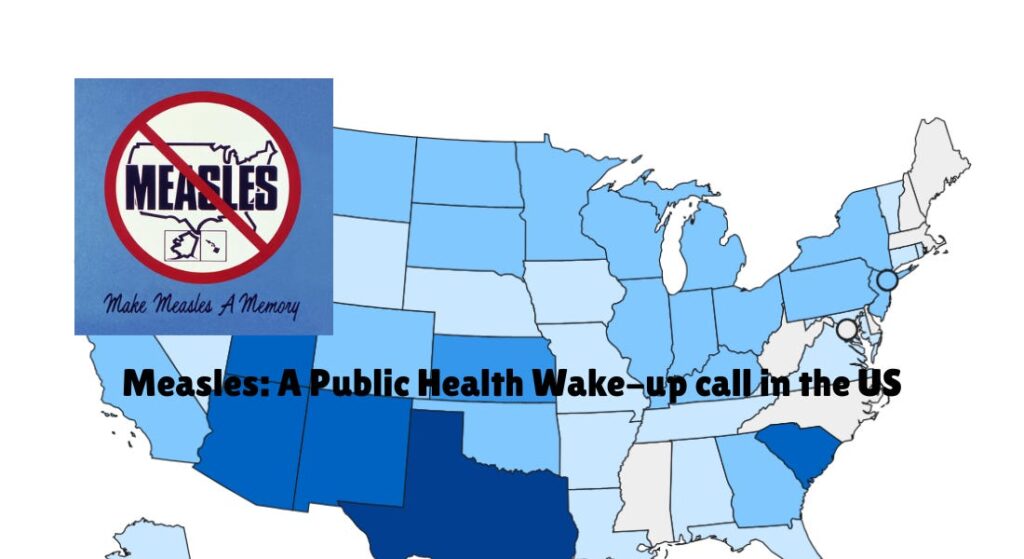
The Centers for Disease Control and Prevention (CDC) has reported a staggering nearly 2,000 cases of measles in the United States as of now in 2025, marking the first time such high numbers have been seen since 1992. This alarming surge in measles cases presents a significant public health challenge, as the nation is on the brink of a critical deadline next month. If the U.S. cannot demonstrate that it has effectively halted the transmission of measles by this deadline, it risks losing its elimination status—a status the country has maintained for a quarter of a century.
The rise in measles cases can be traced back to a combination of factors, including decreased vaccination rates, misinformation surrounding vaccines, and the resurgence of international travel. These elements have contributed to creating conditions where measles, a highly contagious viral disease, can spread rapidly among unvaccinated populations. The CDC emphasizes the importance of vaccination in maintaining herd immunity, which helps protect those who cannot be vaccinated, such as infants and individuals with compromised immune systems.
In a recent interview, Dr. Rodney Rohde, a University Distinguished and Regents’ Professor and Chair for the Clinical Laboratory Science (CLS) Program in the College of Health Professions at Texas State University, addressed this significant public health issue. He serves as the Associate Director for the Translational Health Research Center and offers expert insights into the current measles outbreak. Dr. Rohde emphasized that losing the elimination status is not inevitable and that there are actions that can be taken to reverse the current trends.
As the clock ticks down to the deadline, public health officials are urging communities to prioritize vaccination efforts to curb the outbreak. Awareness campaigns are being ramped up to counter misinformation and emphasize the safety and efficacy of vaccines. The CDC recommends that all eligible individuals receive the measles, mumps, and rubella (MMR) vaccine, which is proven to be highly effective in preventing these diseases.
The implications of losing the elimination status are significant. Not only would it represent a setback in the progress made in public health over the last 25 years, but it would also lead to increased healthcare costs and a potential rise in hospitalizations and fatalities related to measles. This could strain healthcare systems already facing challenges from other viral outbreaks and health crises.
Dr. Rohde's perspective serves as a reminder of the ongoing battle against vaccine hesitancy and the need for collective action to protect public health. As we approach this deadline, it becomes crucial for individuals and communities to take proactive measures in safeguarding against measles through vaccination.
To stay updated on this evolving situation and other public health developments, readers are encouraged to follow platforms such as Outbreak News TV, where experts like Dr. Rohde provide in-depth discussions and analyses of ongoing health issues. For those interested in exploring more about the current measles outbreak and its implications, Dr. Rohde's articles and insights on platforms like Contagion Live are valuable resources.
The fight against measles is not just a public health concern but a reminder of the broader importance of vaccination in protecting communities. The collective responsibility to vaccinate not only safeguards individual health but also ensures the well-being of society at large. As the U.S. navigates this critical juncture, the focus on vaccination, education, and community engagement remains more important than ever.
Colorado Governor’s SHOCKING Ultimatum: Is Trump’s “Political Game” Costing Lives After Recent Disasters?

Colorado Governor's SHOCKING Accusation: Is Trump Playing Political Games with Disaster Aid? Find Out NOW!

Half of Americans are already preparing for 2028! What shocking poll results are driving this frenzy?
Why Top ND Lawmakers Are Risking It All for Rural Health: Shocking Revelations Inside!

White House Threatens Smithsonian: Could $1 Billion in Federal Funds Hang in the Balance?

You Won’t Believe How These 5 Mini Smartphones Can Transform Your Travel Experience!
You might also like: