
Illinois Panel Shocks Parents: New Hepatitis B Vaccine Mandate for Newborns—What You MUST Know!

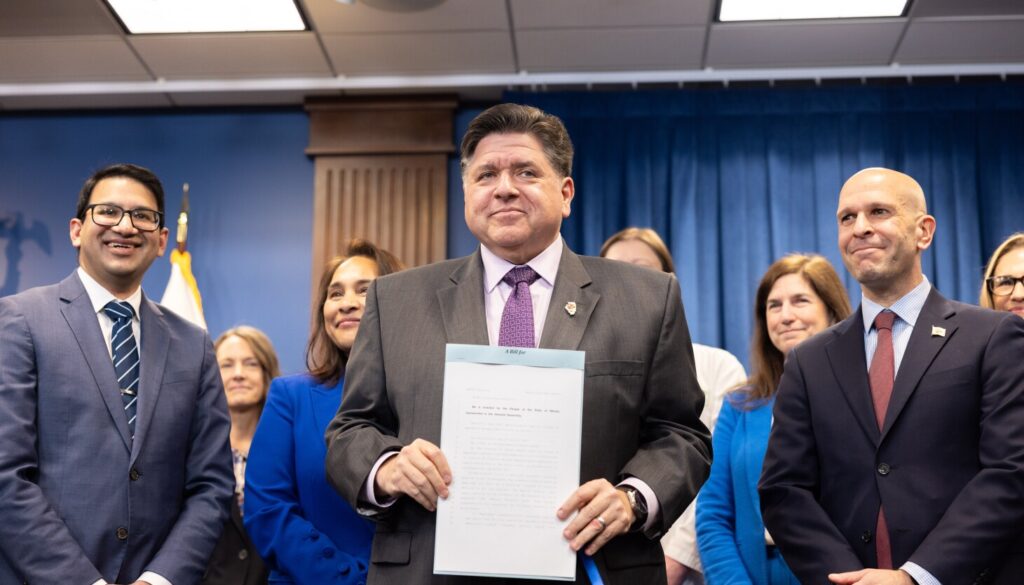
In a significant move on Tuesday, the Illinois Vaccine Advisory Committee unanimously voted to continue administering the hepatitis B vaccine to all medically stable infants within 24 hours of birth. This decision places Illinois at odds with federal health guidelines recently altered by the Centers for Disease Control and Prevention (CDC), which now recommends the vaccine only for newborns whose mothers are positive for the virus or were not tested.
The Illinois committee's resolution will be forwarded to the Illinois Department of Public Health for formal adoption. Dr. Sameer Vohra, director of the agency, had previously indicated that the state would uphold its vaccination practices, despite the federal committee's recommendations. Dr. Marielle Fricchione, chair of the Illinois Immunization Advisory Committee, expressed confidence in the current vaccination policy, stating, "To me, it looked like a successful public health policy, and appropriate for our country and the health care system we have."
Tuesday's vote marks the second time Illinois has diverged from federal recommendations under the leadership of U.S. Health Secretary Robert F. Kennedy Jr., who has raised concerns about vaccination practices. Earlier this month, the state committee also recommended the COVID-19 vaccine for nearly all Illinois residents, in contrast to federal guidance that has been more restrictive.
The hepatitis B vaccination has been a long-standing recommendation for newborns. Until recently, it was standard practice for all infants to receive the vaccine shortly after birth, as the virus is known to be more infectious than HIV and can lead to chronic liver disease and cancer, particularly in very young children. However, the recent CDC guidelines signify a shift, allowing parents and healthcare providers to make individualized decisions regarding vaccination timing for low-risk infants.
The state committee's decision to continue vaccinating infants promptly reflects ongoing concerns about public health, particularly given the data presented during the meeting. Since 2018, Illinois has recorded only one confirmed case of a newborn infected with hepatitis B, a statistic that Dr. Jennifer Seo, a pediatric medical advisor at the Illinois Department of Public Health, credits to effective vaccination and follow-up practices.
Dr. Brian Borah, medical director at the Chicago Department of Public Health, highlighted the challenges of identifying at-risk newborns, noting that approximately 43% of potential cases go unrecognized until after birth. He pointed out that the demographics of infants at risk have shifted significantly in recent years. In 2015, Asian infants represented 59% of hepatitis B exposed births, but by last year, African American infants accounted for 33% of these cases.
The committee's members voiced concerns about the potential confusion stemming from the conflicting federal guidelines. Dr. Edward Linn, a committee member, expressed worries about how the public and healthcare providers would interpret the federal changes. "I think confusion now is going to be the generalized state of being," he warned, emphasizing the need for ongoing education and clear communication regarding vaccine recommendations.
As this debate unfolds, the actions of the Illinois Vaccine Advisory Committee underscore a growing division between state and federal health authorities on vaccination protocols. While the CDC's updated guidelines may reflect a broader trend toward individualized healthcare, Illinois officials remain committed to a more uniform approach that prioritizes the health and safety of newborns across the state.
You Won't Believe How Caleb Williams' Touchdown Compares to Joe Montana's Legendary Pass!

Stop Mindless Snacking NOW: 3 Shocking Secrets Health Experts DON’T Want You to Know!

The Arctic is Melting Fast: Discover How This Shocking Change Could Impact Us All!

YouTube's Shocking New Update: Why You MUST See the Image Carousels in Shorts NOW!

Ohio's Shocking New Alert System: Will You Be Safe From Escaped Prisoners? Find Out Now!

Unlock Your Fitness App Dream: 8 Shocking Companies That Could Change Your Life Forever!
You might also like: