
The Arctic is Melting Fast: Discover How This Shocking Change Could Impact Us All!

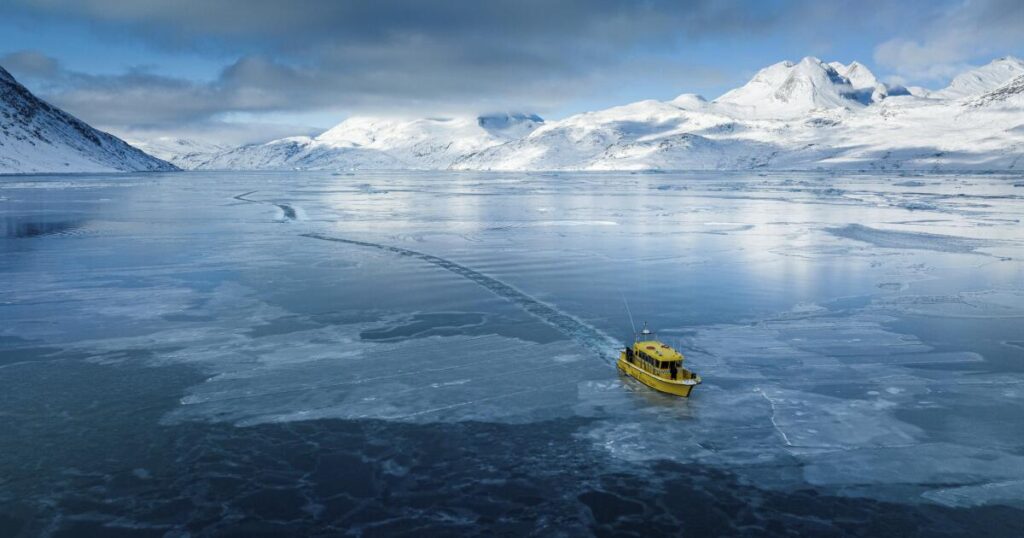
In 2006, the U.S. National Oceanic and Atmospheric Administration (NOAA) released its first Arctic Report Card, alerting the world to the challenges faced by the polar region. Now, as we mark the 20th edition, the findings signal a stark reality: the situation has deteriorated markedly. The latest report highlights the alarming health of the Arctic, compiled by around 100 scientists globally, and underscores the region's critical role in regulating Earth's climate.
The past decade stands out as the hottest in recorded history for the Arctic, significantly impacting the environment. Warm Atlantic waters are pushing into the central Arctic Ocean, accelerating the loss of sea ice. With less ice to reflect sunlight back into space and rapidly melting snow, the Arctic is set to experience even higher temperatures. Additionally, as permafrost thaws, it releases more heat-trapping carbon dioxide into the atmosphere, further exacerbating the crisis.
According to Twila Moon, deputy lead scientist at the National Snow and Ice Data Center at the University of Colorado Boulder, “There’s no question that today we’re at a starkly different point than we were 20 years ago.” The Arctic is often referred to as the world’s air conditioner, and disruptions here have far-reaching implications for global climate patterns. As the report states, “To observe the Arctic is to take the pulse of the planet.”
📰 Table of Contents
Key Findings from the Arctic Report Card
The 2025 Arctic Report Card offers a detailed overview of the changes in the Arctic’s air, water, and land:
Air
- From October 2024 to September 2025, Arctic-wide surface air temperatures reached their highest levels in at least 125 years.
- Precipitation in this period was the highest since 1950, leading to more moisture-laden atmospheres and extreme weather events, including atmospheric rivers that can blanket areas with rain or snow.
Water
- Summer sea surface temperatures in many areas were among the hottest on record, with some locations registering temperatures up to 7°C (12°F) above the average from 1991 to 2020.
- The yearly peak coverage of sea ice in March was the smallest in 47 years of satellite records, while summer sea ice coverage has diminished by 28% compared to two decades ago.
- Not only is the ice shrinking, but it is also getting younger and thinner. The oldest, thickest ice—frozen for four years or more—has decreased by over 95% since the 1980s.
- Marine algae, such as phytoplankton, are proliferating due to warmer ocean temperatures. Since 2003, ocean primary productivity has surged by 30.5%.
Land
- Rapid spring snowmelt has resulted in a smaller area covered by snow in June, despite increased snowfall during winter. Today, the total Arctic area covered by snow in June is half of what it was in the 1960s.
- Thawing permafrost is releasing iron and other elements into rivers and streams, leading to a phenomenon known as “rusting,” where over 200 watersheds in Alaska have turned orange in the past decade.
- The Greenland Ice Sheet continues to shrink, having recorded a net loss every year since the late 1990s, although the recent year saw less mass loss compared to previous years.
The report arrives at a time when climate science funding faces an uncertain future in the United States. Despite the international collaboration among scientists, NOAA's support remains crucial. Moon expressed hope that growing recognition of the links between extreme weather, food security, and climate change could foster increased public and governmental support for climate science.
Moon stated, “This realization—that these kinds of climate and weather elements are foundational to our daily lives, our business, and family decisions—ultimately means that there’s support.” As global temperatures rise and extreme weather events become more frequent, the implications of the Arctic’s changes remain pressing not just for those in northern latitudes but for everyone on the planet.
As the Arctic continues to warm, the urgency for action grows. The findings from the Arctic Report Card remind us that the health of the Arctic is intricately tied to the well-being of the Earth as a whole. With ongoing research and a push for greater awareness, we may yet rally to address these challenges before it's too late.
YouTube's Shocking New Update: Why You MUST See the Image Carousels in Shorts NOW!

Ohio's Shocking New Alert System: Will You Be Safe From Escaped Prisoners? Find Out Now!

Unlock Your Fitness App Dream: 8 Shocking Companies That Could Change Your Life Forever!

“Shocking Upset: How Washington's Underdog Team Stunned Everyone to Claim the 2025 DI Soccer Championship!”

8 Shocking Body Comments Boomers Say That Leave Millennials Speechless – Are You Guilty?

Lincoln's Shocking New Law: Cryptocurrency ATMs Now Face Dire Warnings – Are You Prepared?
You might also like: