
Trump's Confession: "I Have an Alcoholic's Personality" - What This Means for Susie Wiles!

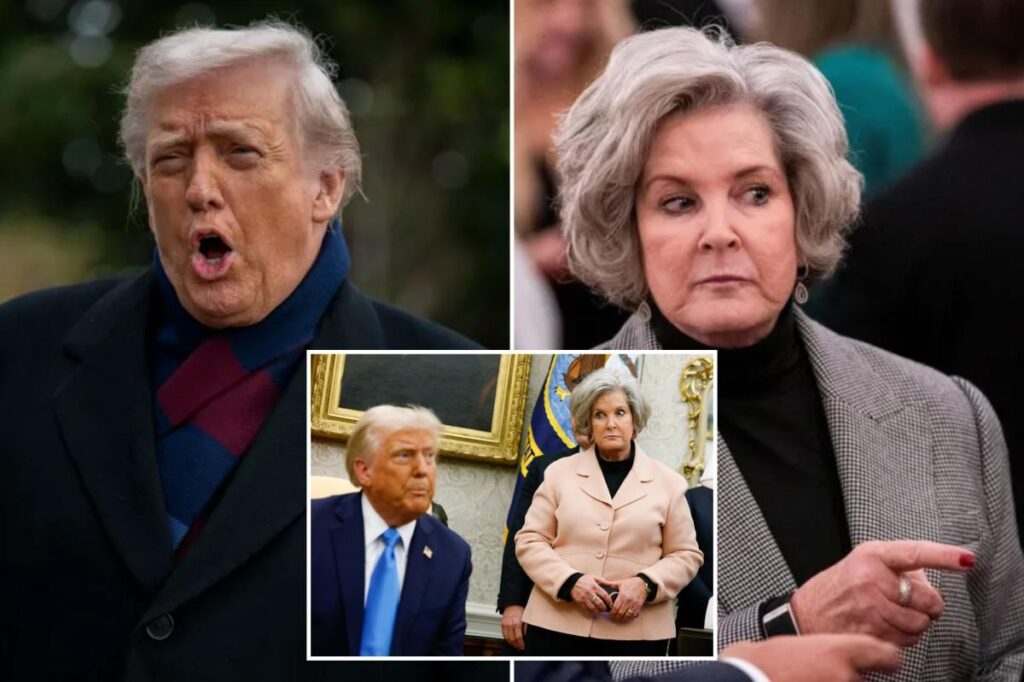
In a recent exclusive interview with The Post, President Donald Trump defended his White House chief of staff, Susie Wiles, amid controversy surrounding her remarks in a profile for Vanity Fair. Wiles described Trump as having an “alcoholic’s personality,” a characterization the president said did not offend him. Instead, Trump expressed confidence in Wiles, affirming her capability in her role during his administration.
During the interview, Trump stated, “No, she meant that I’m — you see, I don’t drink alcohol. So everybody knows that — but I’ve often said that if I did, I’d have a very good chance of being an alcoholic.” He attributed his abstinence from alcohol to the tragic loss of his older brother, Fred, who died at 42 from an alcohol-induced heart attack. Trump further elaborated on his personality, noting a “possessive and addictive type personality,” which he claimed he had acknowledged many times.
Wiles, who has a background as the daughter of late NFL player and broadcaster Pat Summerall, shared her thoughts on personalities affected by alcohol. In her comments to author Chris Whipple, she remarked, “High-functioning alcoholics or alcoholics in general, their personalities are exaggerated when they drink. And so I’m a little bit of an expert in big personalities.” This candid assessment raised eyebrows across Washington, leading to varied reactions from administration officials.
Trump dismissed the Vanity Fair profile, claiming it was based on “wrong facts” and criticized Whipple, suggesting he had misled Wiles. Trump stated, “I didn’t read it, but I don’t read Vanity Fair — but she’s done a fantastic job.” He noted that Wiles typically doesn’t participate in interviews, which he believes may have contributed to the perceived mischaracterizations in the article.
Wiles has been praised by Trump loyalists for her ability to manage internal conflicts within the administration, contrasting her approach with that of former chief of staff John Kelly, who faced criticism for his handling of Trump’s directives during his tenure. Wiles has articulated her vision for the role, stating, “I want him to have more inputs, not less, more information, not less, more people talking to him, not fewer.” She emphasizes the importance of providing Trump with unvarnished information, ensuring that diverse perspectives are included in decision-making processes.
In addition to her controversial remarks about Trump, Wiles shared insights about other administration figures. She labeled Vice President J.D. Vance as a “conspiracy theorist for a decade” and criticized Attorney General Pam Bondi for her handling of documents related to the notorious Jeffrey Epstein case. Vance publicly acknowledged Wiles' comments, humorously admitting, “Sometimes I am a conspiracy theorist,” but added that he only endorses theories he believes to be true.
Wiles' remarks drew support from fellow administration officials, including Bondi, who called her a “dear friend” and praised her effectiveness in advancing Trump’s agenda. White House budget director Russell Vought labeled Wiles as “an exceptional chief of staff” and rejected the narrative of disarray suggested by the Vanity Fair piece.
Wiles herself responded to the article on social media, calling it “a disingenuously framed hit piece” that disregarded significant context and sought to portray a “chaotic and negative narrative” about Trump and his team. She asserted that the administration is united and focused on their shared objectives.
International Insights
Beyond domestic concerns, Wiles also provided insights into Trump’s views on international matters, particularly regarding Russia and Ukraine. She reported Trump’s belief that Russian President Vladimir Putin still harbors ambitions to conquer Ukraine entirely. Wiles stated that Trump thinks Putin is complicating peace talks, contrary to the opinions of some experts who suggest Putin would be content with controlling the remaining parts of Donetsk.
While Trump has publicly expressed a degree of optimism about peace negotiations, he has also suggested that he might swiftly conclude such talks if he were in charge. He has remarked about a proposed European-led peacekeeping force aimed at stabilizing Ukraine post-conflict.
As the political landscape continues to evolve, Trump's recent remarks and Wiles' defense highlight the complexities within the administration, shedding light on not only internal dynamics but also the broader implications for U.S. governance and international relations. With Trump's upcoming primetime Oval Office address to tout his administration's achievements, it remains to be seen how these revelations will influence public perception and the political narrative as we move forward.
Is Your NBA Fantasy Team Doomed? Shocking Stats Reveal 3 Stars Who Could Sabotage Your Week 9!

Is Your Teen's Smartphone Harming Their Brain? Shocking Stats Reveal the Truth!

You Won't Believe These 7 Airport Snacks Are Healthier Than Your Favorite Fast Food! Discover What You're Missing!

You Won't Believe What the Health Ministry Just Recommended for This Year's Flu Season!
Urgent: New Federal Vaccine Changes Could Cost You Thousands in Insurance—Are You Prepared?
You Won't Believe What Happened When This Page Denied Access – Click Now to Find Out!
You might also like: