
You Won't Believe What Researchers Discovered About Myocarditis Risk After COVID Vaccines!

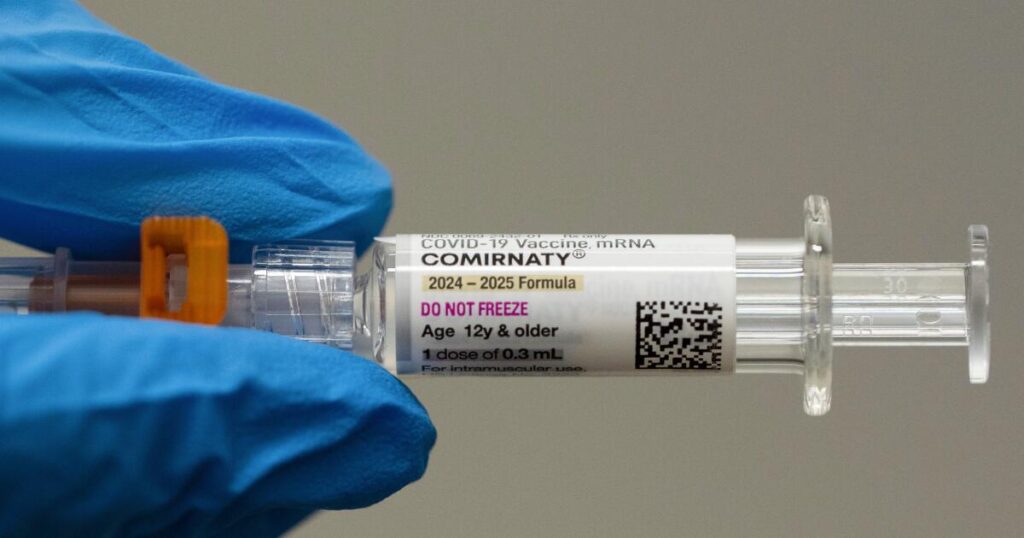
A recent study by researchers at Stanford University has unveiled a potential mechanism behind the rare cases of heart inflammation known as myocarditis that have been observed following mRNA vaccinations for COVID-19. The findings, published in Science Translational Medicine, deepen the understanding of an issue that has sparked scientific debate and political controversy during the pandemic.
Myocarditis has primarily been reported in adolescent males and young men, typically manifesting within one to three days after receiving a second dose of the mRNA vaccine, such as those created by Pfizer Inc. in partnership with BioNTech SE or by Moderna Inc.. Symptoms include chest pain, shortness of breath, and palpitations. However, the condition is generally mild and often resolves quickly with supportive care, such as monitoring and rest.
The researchers attribute the immune response linked to myocarditis to a rapid, two-step reaction within the body. Initially, immune cells known as macrophages, which act as first responders to infections, release inflammatory signaling proteins shortly after an mRNA vaccination. This release triggers another immune component, T cells, to produce the protein interferon-gamma, which amplifies inflammation and recruits more immune cells to the heart tissue. This can lead to temporary irritation or injury of the heart muscle in a small subset of vaccinated individuals.
Joseph Wu, director of the Stanford Cardiovascular Institute and senior author of the study, emphasized that while these cytokines are vital for fighting off viruses, excessive amounts can become toxic. “Your body needs these cytokines to ward off viruses,” Wu stated. “It’s essential to immune response but can become toxic in large amounts.”
The prevalence of myocarditis following vaccination is notably low—estimated at a few cases per billion mRNA doses—but the extensive scale of global vaccination efforts has led to a clustering of incidents. This clustering has fueled public skepticism and contributed to cultural and political debates about vaccine mandates and the safety of mRNA technology, despite evidence that the benefits of vaccination far outweigh the risks, preventing more hospitalizations and deaths than they may cause.
The situation has been exacerbated by political decisions, such as U.S. Health Secretary Robert F. Kennedy Jr.’s recent decision to cancel 22 federal grants worth almost $500 million tied to mRNA vaccine projects. Kennedy claimed that “the data show these vaccines fail to protect effectively against upper respiratory infections like Covid and flu.” Researchers have warned that such moves could hinder advancements in vaccine technology, and the U.S. Food and Drug Administration is currently investigating potential links between COVID vaccines and adult deaths.
The Impact of Vaccination
Despite the controversies, the mRNA vaccines have made a significant impact in the fight against COVID-19. Following their rollout, it is estimated that COVID vaccines prevented nearly 20 million deaths worldwide, including over 1 million in the United States, while also averting countless hospitalizations and long-term health complications related to the virus.
Wu highlighted the mRNA vaccines’ efficacy in mitigating the pandemic, contrasting it with the risk of myocarditis. A large study conducted in the UK in 2021 found that Moderna’s second dose was associated with about 10 additional cases of myocarditis per million doses administered, significantly lower than the approximately 40 cases per million associated with contracting COVID itself.
The specific susceptibility of young men to myocarditis has led researchers to probe the potential influence of hormones, particularly estrogen, which may temper inflammatory responses. In their study, Wu’s team experimented with genistein, a soy-derived compound with mild estrogen-like effects. The results showed that pretreatment with genistein reduced the inflammatory response in both mouse and human cardiac tissue models.
While the research did not directly test dietary intake, it raises an intriguing question about whether natural soy compounds, such as those found in tofu, could theoretically mitigate the inflammatory responses associated with mRNA vaccination. “Nobody ever overdosed on tofu,” Wu noted, referencing previous findings that indicated genistein has anti-inflammatory properties, including the ability to counteract damage from other sources, such as marijuana.
Wu clarified that the aim of the study was to understand the mechanism behind myocarditis rather than to incite alarm. “This study is only looking at the mechanism—why a very, very small subset of patients develop myocarditis,” he asserted. “The vaccine is very, very safe.”
Is Giannis Antetokounmpo REALLY eyeing these 3 shocking trade destinations? You won’t believe the consequences!

Can Flagging Just ONE Post Slash Misinformation by 50%? Find Out the Shocking Truth!

You Won't Believe How Local Stars Are Shaping This Year's College Football Bowl Season!

You Won’t Believe What Rob Reiner Revealed About His Most Heart-Wrenching Film! 5 Secrets Inside!

You Won't Believe What Happened When FDR Dressed as Julius Caesar at a Secret White House Party!

You Won't Believe What This Governor Discovered After Watching a Children's Film on Climate Change!
You might also like: