
You Won't Believe the Multi-Million Dollar Hidden Gems in 'Bugonia' and 'Train Dreams'—Tour Them Before They're Gone!

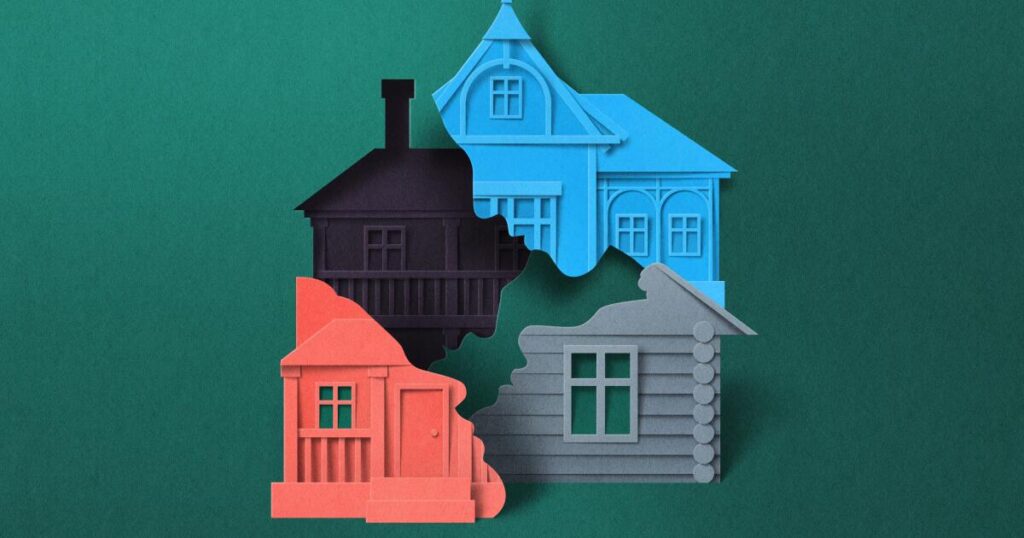
In the realm of cinema, houses often transcend mere backdrops, evolving into pivotal elements that shape characters and narratives. With the Oscars approaching, the production designers of four standout films—*Bugonia*, *Die My Love*, *Sentimental Value*, and *Train Dreams*—share how their meticulously crafted residential settings illuminate themes of isolation, mental strife, and familial complexities.
📰 Table of Contents
Exploring Isolation in *Bugonia*
In Yorgos Lanthimos' absurdist black comedy, *Bugonia*, the story centers on tech CEO Michelle Fuller, played by Emma Stone, who finds herself kidnapped by conspiracy theorists. The rural farmhouse where she is held captive serves as a crucial reflection of her captors' psyche. James Price, the Oscar-winning production designer, explains that the house embodies the "isolation" faced by Teddy, one of her captors. Price’s vision led to an audacious idea: rather than locating an existing structure, why not build a house from scratch? This proposal gained traction when Lanthimos suggested incorporating a basement into the design. Ultimately, they constructed the house using shipping containers, complete with electricity and plumbing, based on real estate listings in Atlanta that set decorator Prue Howard discovered on Zillow.
Reality’s Edge in *Die My Love*
In another powerful narrative, *Die My Love* directed by Lynne Ramsay, a crumbling cabin serves as the backdrop for new mother Grace, portrayed by Jennifer Lawrence, whose grip on reality deteriorates. Production designer Tim Grimes recalls locating a nearly condemned cabin in Calgary that encapsulated the film’s themes. He notes, “The house was really falling apart. But then I looked around the property and I was like, ‘Man, this is a real playground for Lynne.’” After adding a front porch and removing interior walls for filming flexibility, Grimes aimed to keep the setting “not too nice.” This grounded yet surreal atmosphere mirrors Grace’s psychological descent, with Grimes admitting, “I almost got sick of the wallpaper after a while, personally, but I think that’s kind of what Grace is probably going through as well.”
Familial Dynamics in *Sentimental Value*
Joachim Trier’s *Sentimental Value* introduces viewers to the intricacies of family dynamics within the Borg family home in Oslo. The house, owned by Nora’s estranged father and played by Stellan Skarsgård, is more than a setting; it’s a character in itself. Production designer Jorgen Stangebye Larsen reveals that he had a personal connection to the house, which also featured in his previous collaboration with Trier, *Oslo, August 31st*. “I knew that we were going to film in that house when I read the script,” he recalls. The home’s intricate wooden details presented a timeless quality that complemented the film’s exploration of past grievances and familial relationships. To enhance the narrative, Larsen created a replica of the house on a soundstage, employing LED screens to simulate different time periods, enriching the story’s emotional depth.
Nature and Identity in *Train Dreams*
Lastly, *Train Dreams*, based on Denis Johnson’s novella, tells the story of logger Robert Grainier, played by Joel Edgerton, set against the backdrop of a log cabin he builds for his family in Idaho. Production designer Alexandra Schaller utilized locally sourced logs to construct a genuine cabin, emphasizing themes of life cycles and transformation within nature. “So much of [the film] is about the trees and the cycle of life,” she explains. Schaller intentionally crafted the cabin interiors to reflect Gladys’ active role within the family, ensuring that every element within the cabin was functional and meaningful. “Everything in the cabin, whether or not it made it into the final movie, was used and touched,” she notes, highlighting the commitment to authenticity in storytelling.
These four films exemplify how residential settings can play a transformative role in storytelling. From *Bugonia*’s isolated farmhouse to *Train Dreams*’ rustic cabin, the homes in these films resonate deeply with the characters’ journeys, affirming the notion that a house can indeed become a character in its own right.
You Won't Believe How Proofpoint's Growth is Transforming Cork's Tech Scene – Discover the Shocking Details!

Mohamed Salah's Shocking Social Media Post After Brighton Win: Is He Leaving Liverpool for Good?

Why Are 3 Out of 4 People Still Addicted to Social Media Despite Knowing It’s Ruining Their Lives?

You Won't Believe What China's Tech Expo Revealed About the Future of Smart Manufacturing!

Pakistan's Shocking Polio Surge: Are Your Kids Safe? Last Chance for Vaccination This Year!

LeBron's SHOCKING 40-Point Comeback: How the Lakers Stunned the Suns—You Won't Believe What Happened Next!
You might also like: