
You Won't Believe How the Maldives is Battling Climate Change to Save Its Tourism – Discover the Shocking Truth!

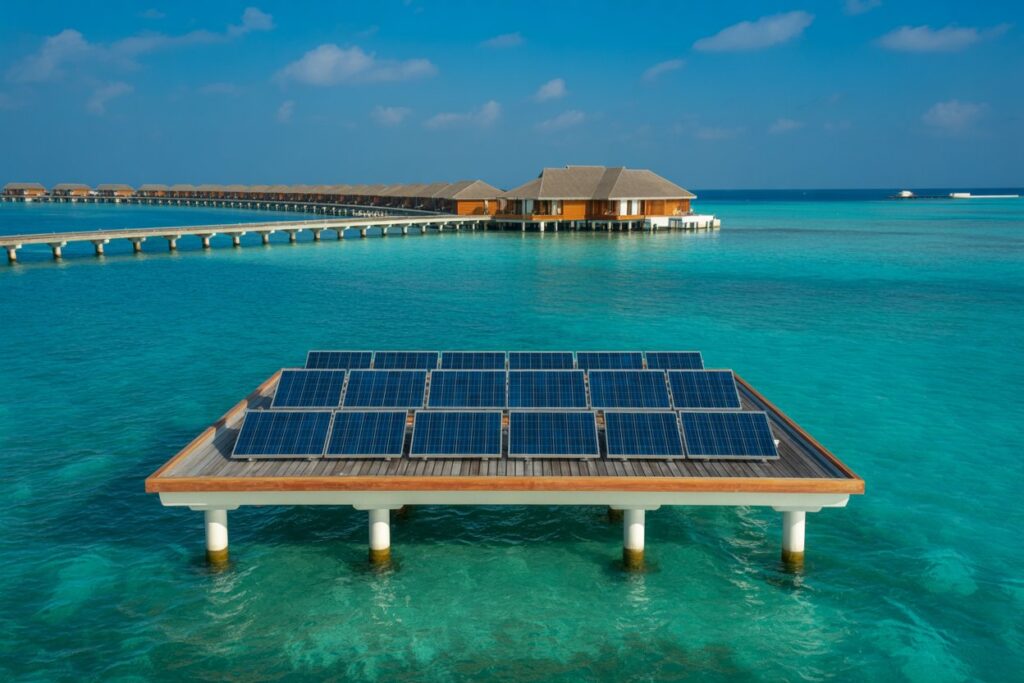
The Maldives, often celebrated as a quintessential tropical paradise with its pristine white sands and turquoise waters, now faces a pressing existential threat. As the world's lowest-lying nation, with approximately 80% of its land rising less than one meter above sea level, the Maldives is at the forefront of the global climate crisis. The dual challenges of sea-level rise and ocean warming, which leads to destructive coral bleaching, pose immediate dangers not only to the environment but also to the very foundation of the nation's economy, primarily driven by tourism.
In response, the Maldivian government, alongside the private tourism sector, has embarked on an urgent campaign of climate adaptation. This initiative is not merely an environmental policy but an economic necessity, focusing on safeguarding the industry that constitutes nearly two-thirds of the country's Gross Domestic Product (GDP). The strategies in play are ambitious and multifaceted, designed to ensure long-term resilience against the impacts of climate change.
📰 Table of Contents
Pillars of Adaptation
Central to the Maldives' adaptation strategy is a three-pronged approach that combines hard engineering, ecological restoration, and sustainable policy reforms:
- Coastal Protection and Land Reclamation: This involves extensive engineering efforts to shield existing islands and create new higher ground. Key initiatives include constructing robust sea walls and breakwaters, as well as innovative land reclamation methods that prioritize long-term climate resilience. Critical infrastructure such as international airports and major resort islands are at the forefront of these protective measures.
- Ecological Restoration: The Coral Lifeline: The coral reefs of the Maldives serve as the first line of defense against the sea and are crucial for tourism. However, rising ocean temperatures lead to mass bleaching, threatening this natural barrier. The nation is investing heavily in coral restoration, employing strategies like coral gardening and genetic research into heat-resistant species, while establishing marine protected areas to foster the recovery of these vital ecosystems.
- Policy and Planning for Sustainability: The government is pivoting towards a model of high-value, low-impact tourism. New developments are required to integrate renewable energy solutions, particularly solar power, while implementing advanced waste and sewage treatment systems to minimize carbon footprints. This approach aims to ensure the tourism industry is sustainable and does not exacerbate the very challenges it faces.
Humanizing the Crisis
For the people of the Maldives, the climate crisis is not just a distant concern; it is deeply personal. Traditional livelihoods, cultural heritage, and the unique way of life are all jeopardized by environmental changes. Thus, the adaptation strategies incorporate a human-centered approach:
- Training and Education: Resources are being devoted to equip local communities and tourism workers with climate resilience skills, ranging from coral gardening to emergency preparedness and waste management, empowering them to become stewards of their environment.
- Shifting Local Lifestyles: Initiatives on local islands champion sustainable practices such as reducing plastic usage, adopting solar energy, and promoting responsible waste segregation, fostering a culture of environmental accountability.
- The Voice of Vulnerability: Maldivian leaders and citizens have emerged as powerful advocates for climate action, sharing their plight on global platforms. This collective emotional commitment is pivotal in their call for international cooperation and support.
For many Maldivians, protecting their environment is synonymous with preserving their jobs and homes.
The Responsible Traveler
Tourists visiting the Maldives are becoming key partners in the nation’s adaptation strategy. The emerging model of sustainable tourism emphasizes the role of the responsible traveler:
- Choosing Consciously: Visitors are encouraged to select resorts that actively demonstrate a commitment to sustainability, using renewable energy and employing local staff. Each booking decision serves as a vote for climate action.
- Low-Impact Practices: Tourists are educated on how to minimize their environmental footprints by avoiding single-use plastics, respecting marine life, and supporting local communities outside the resort areas.
- Supporting Research: Many resorts engage in marine research initiatives, allowing tourists to contribute directly to conservation efforts, such as the protection of coral and manta ray populations, thus transforming vacations into meaningful contributions.
This innovative tourism model creates a vital partnership, where visitors' expenditures fund the Maldives' fight for survival, enriching their travel experience.
The Maldivian commitment to adapt to climate change stands as a compelling narrative of resilience. By implementing formidable coastal defenses, investing in fragile coral ecosystems, and embedding sustainability into its tourism policies, the nation is actively safeguarding its future. The road ahead may be fraught with uncertainty, dependent on global emissions reductions, yet the Maldives' proactive and innovative strategies exemplify the human will to thrive, ensuring that this jewel of the Indian Ocean remains a welcoming destination for generations to come.
Can the Commanders End the Giants' Playoff Hopes in a Nail-Biting Week 15 Showdown?

Bitcoin's Shocking Collapse: Fed Gains Erased! Are You Prepared for BOJ's Next Move?

You Won't Believe Where Cooper Flagg Ranks Among NBA's Under-25 Stars—The Shocking Reveal!

ServiceNow's Shocking Move: What You MUST Know About Their Massive Cybersecurity Acquisition!

Netflix’s Shocking $1 Billion Gamble with Warner Bros: What You MUST Know Before You Miss Out!

Orangetown's Shocking Preservation Battle: Will Blakeman's Bid for Governor Change Everything?
You might also like: