
Parents, Are You Ready? Shocking Vaccine Clash Between Doctors and Trump Administration Could Change Everything!

In recent weeks, a significant conflict has emerged between healthcare professionals and federal health officials regarding vaccinations, particularly the widespread use of the hepatitis B vaccine for newborns. This tension has raised concerns among parents who are seeking clarification amidst conflicting messages about vaccine safety and necessity.
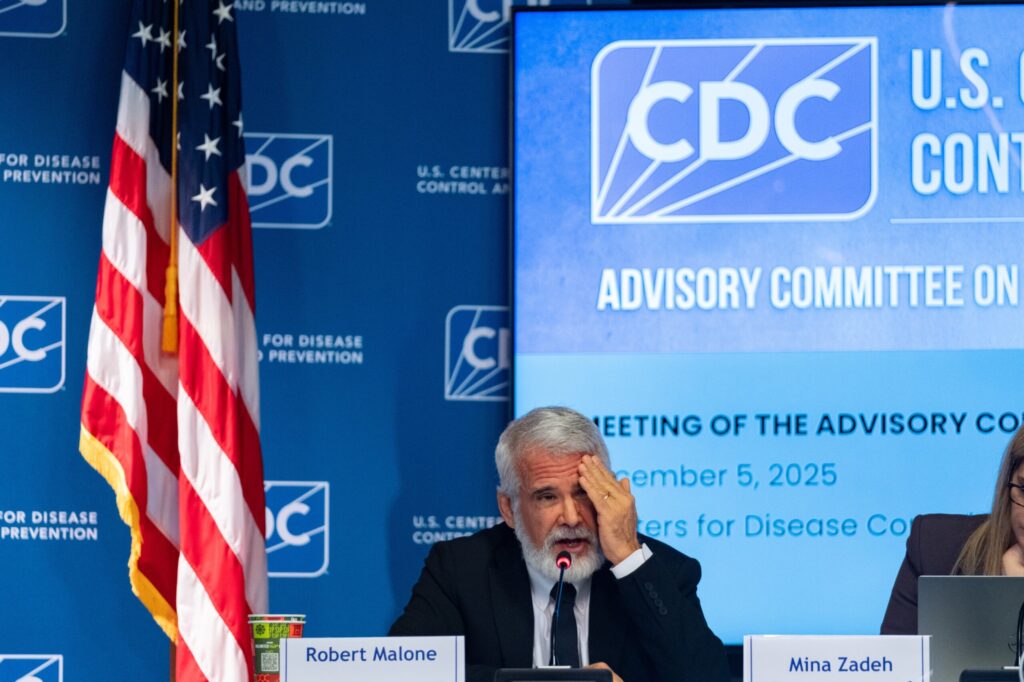
Many parents naturally have questions about vaccinations, especially as the Trump administration has taken aim at established, lifesaving vaccines. The American Academy of Pediatrics, along with other major medical groups, is pushing back against these changes. The administration’s Advisory Committee on Immunization Practices (ACIP), selected by Health Secretary Robert F. Kennedy Jr., recently proposed ending the routine hepatitis B vaccination for newborns. This vaccine has been a cornerstone of public health, effectively reducing child infections and preventing liver failure and cancer associated with the virus.
Despite the panel's recommendations, the American Academy of Pediatrics and other medical organizations have firmly committed to continuing their recommendations for the hepatitis B vaccine. “We owe our patients a consistent message informed by evidence and lived experience, not messages biased by political imperative,” stated Dr. Ronald Nahass, president of the Infectious Diseases Society of America. He expressed concern about the confusion that may arise among parents, particularly those without access to medical professionals to consult.
Concerns Over New Guidelines
The uncertainty doesn’t stop with hepatitis B; it extends across the entire childhood vaccination schedule. The current ACIP is also re-evaluating vaccine ingredients and dosing, leading to significant changes in recommendations without clear scientific backing. Dr. Jake Scott, an infectious disease physician at Stanford University, noted that past ACIP guidelines were built on extensive scientific research, whereas recent meetings have seen a departure from this model. He shared that specialists in specific diseases were once enlisted to thoroughly analyze current science and safety data.
In a recent session, the panel did not allow CDC specialists to present vital data regarding the hepatitis B vaccine or the broader childhood vaccination schedule. This departure from established practices left some committee members confused and concerned. Jason Schwartz, a vaccine policy expert at Yale University, highlighted the unusual nature of having a lawyer present a 90-minute session, doubting significant studies while not being an expert in the field. This shift in methodology could undermine the credibility of the ACIP, which has long been viewed as a trusted source of vaccination guidance.
Moreover, health officials in the Trump administration argue that the recommendations are intended to restore parental choice in vaccination. However, Dr. Aaron Milstone of the American Academy of Pediatrics emphasized that parents already have choices tailored to each child’s health needs, and the government’s role in public health remains critical. Doctors typically rely on trusted expert voices to navigate the complex landscape of vaccine guidance, making the current conflicting messages particularly troubling.
As for parents navigating this confusing landscape, pediatricians and other medical professionals are encouraging open dialogue. “Ask your questions, bring your concerns, and let us talk about them,” urged Dr. Sarah Nosal from the American Academy of Family Physicians. With the potential for misinformation and fear to proliferate, it is crucial for parents to consult their healthcare providers for reliable information.
As this standoff continues, the implications for public health remain significant. The hepatitis B vaccine, which has been safely administered to tens of millions of children in the U.S., plays a vital role in preventing a virus that can lead to serious health complications. The American Academy of Pediatrics, alongside other medical groups, is committed to maintaining their recommendations in the face of uncertainty, striving to ensure that parents have access to accurate information regarding their children’s vaccinations.
You Won't Believe How Jay Phillip Parker Turned $100k into a Luxury Real Estate Empire!

You Won’t Believe What This Conservative Plan for Climate Change Could Mean for Your Wallet!

Knicks Plummet to Shocking 25th in Power Rankings – What's Behind This Disastrous Slide?

Bitcoin's Shocking 20% Plunge: What Cantor Equity's Merger Means for Your Investments!

UC Davis Soccer's Shocking 2026 Class: You Won't Guess What These 7 Stars Bring to the Field!

NFL Draft 2026: Shocking Predictions You Won't Believe - Can Your Team Survive This Chaos?
You might also like: