
You Won't Believe What Trump's Security Strategy Reveals About America's Future!

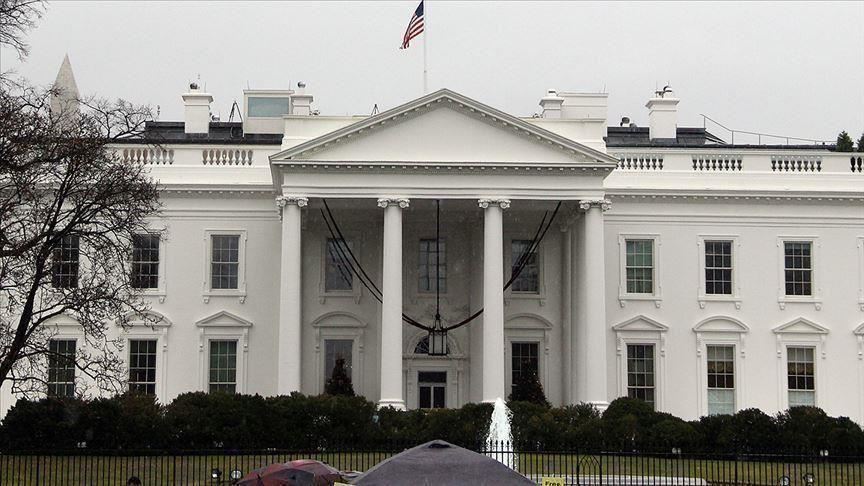
The White House has recently unveiled President Donald Trump’s new national security strategy, which the administration claims builds on what it calls “historic achievements” made during his first year back in office. Among these achievements, the administration cites the obliteration of Iranian nuclear facilities as a key component.
In an exclusive interview with Shafaq News, White House Spokeswoman Anna Kelly emphasized that the administration has acted with “historic speed” to restore American strength both domestically and internationally, asserting that Trump has “ended eight wars” within less than a year of his presidency. Kelly highlighted the administration's efforts to persuade European nations to take greater responsibility for their own defense, facilitate sales of U.S.-made weapons to NATO partners, and negotiate what she termed “fairer trade deals.”
According to Kelly, as President Trump “continues to make America safer, richer, freer, and more powerful than ever before,” this new strategy serves as a roadmap to ensure that America retains its status as the greatest and most successful nation in human history.
A senior White House official elaborated on the strategy, outlining four main pillars aimed at redefining America’s role in the global landscape:
- Reasserting American preeminence in the Western Hemisphere by collaborating with regional partners to control migration, combat drug trafficking, and enhance security both on land and at sea.
- Ensuring that allies assume primary responsibility for their own regional defense, which has been demonstrated through Trump’s success in securing a five percent defense spending pledge among NATO allies.
- Seeking peace deals to bolster global stability, enhance America’s influence, realign countries toward U.S. interests, and unlock new markets for American goods.
- Strengthening the American economy by promoting balanced trade, securing access to critical supply chains and minerals, reindustrializing, reviving the defense industrial base, and revitalizing the energy sector.
This strategy comes at a time when national security and foreign policy are increasingly intertwined with economic considerations. The focus on revitalizing the American economy and ensuring that allies take on more defense responsibilities signals a shift away from a more interventionist approach to one that emphasizes mutual responsibility and economic strength.
As this strategy takes shape, it remains to be seen how these initiatives will be implemented and what tangible impacts they will have not only on U.S. relationships abroad but also domestically on the American economy and security landscape. The administration's framing of these policies as a means to ensure America's dominance in a rapidly changing global environment will likely be a focal point of political discourse in the months ahead.
For now, the administration’s articulation of its national security strategy reflects an ambitious vision designed to assert U.S. leadership while addressing both security and economic challenges. The implications of these policy shifts will unfold as the administration works to translate its strategies into actionable outcomes on both domestic and international fronts.
Why Governor Kehoe's 2026 State of the State Address Could Change Everything—Are You Prepared?

Wall Street Dips: What Shocking Rate Cut Could Mean for Your Savings! Don't Miss This!

Walker Kessler's SHOCKING Injury Reveal: What It Means for the Jazz's Playoff Hopes! You Won't Believe the Details!

Bitcoin Could Plunge to $50K—Is Your Portfolio Ready for the Shocking Fed Decision?

You Won't Believe Which Players Made the All-League Team – Shocking Snubs Spark Controversy!

Malaysia's Shocking Move: Are Kids Under 16 About to Get Banned from Social Media Forever?
You might also like: