
Malaysia's Shocking Move: Are Kids Under 16 About to Get Banned from Social Media Forever?

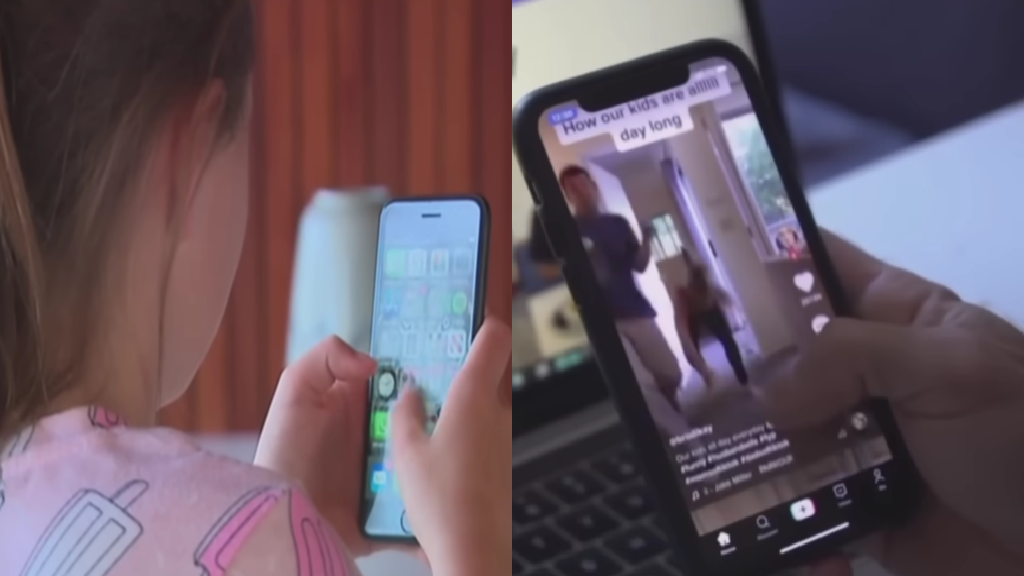
In a significant move towards enhancing online safety for minors, Malaysia is set to implement a nationwide ban on social media accounts for users under the age of 16 starting in 2026. This initiative is part of the newly established Online Safety Act 2025, which aims to impose stringent regulations on social media platforms operating within the country. The act mandates that these platforms must block account creation for users unless an ID-based age verification process is successfully completed.
The Online Safety Act 2025 outlines that social media companies are required to validate the age of every new user through electronic "know your customer" checks that rely on official government identification. This requirement extends to any platform, regardless of its headquarters, that intends to operate in Malaysia. Authorities have emphasized the necessity for companies to prove their systems can effectively identify and reject attempts by underage users to bypass these age checks, including instances where incorrect or borrowed identification is used.
Communications Minister Fahmi Fadzil articulated the government's motivation behind this policy, stating that it aims to mitigate children's exposure to various risks prevalent on major social media platforms, such as scams, harassment, and exploitation. “We hope by next year that social media platforms will comply with the government’s decision to bar those under the age of 16 from opening user accounts,” he noted. The Ministry of Communications expects these platforms to submit detailed compliance plans that outline how identity data will be managed and how rejected underage accounts will be recorded for auditing purposes.
This policy reflects a growing international concern regarding the safety of minors online, especially as social media continues to play a pivotal role in their daily lives. In the United States, lawmakers in various states are also pursuing youth safety regulations, some even requiring parental consent or robust age checks for teenagers. States like Utah and Arkansas have already enacted measures aimed at restricting account creation for minors, while federal proposals such as the Kids Online Safety Act gain bipartisan support. Malaysia’s approach serves as a case study for U.S. policymakers who are grappling with whether stricter verification standards should be implemented to protect young users.
The implications of Malaysia's Online Safety Act could resonate beyond its borders, potentially influencing global conversations about digital safety for minors. As concerns about online risks escalate, the need for effective age verification systems presents a complex challenge for both tech companies and government regulators. The question remains: will these regulations deter underage users or simply drive them to find alternative methods of accessing online platforms?
As the landscape of social media continues to evolve, the balance between user safety and accessibility will be at the forefront of discussions among legislators, parents, and tech companies alike. The Malaysian government’s proactive stance might set the tone for future policies worldwide, prompting a reevaluation of how online spaces cater to their younger audiences while ensuring their protection.
Why Did Apollo Just Invest in Wrexham? Shocking Reasons Will Leave You Speechless!

You Won't Believe Why the iPhone 16 Shockingly Dominated Sales in Q3 2025! Find Out the Jaw-Dropping Secrets!

Can You Pass the Go for the Planet Challenge? Shocking Facts About Climate Change Await!

US Stocks on the Brink: What the Fed's Next Move Could Mean for Your Wallet!

Conway Entertainment Group Launches Shocking Live Consulting: You Won't Believe What Happens Next!

FIFA's Shocking NFL-Style Rule Change for 2026 World Cup: Is This the End of Soccer as We Know It?
You might also like: