
Is Jamie Laing's Candy Kittens About to Change the Snack Game Forever? You Won't Believe What They’re Planning!

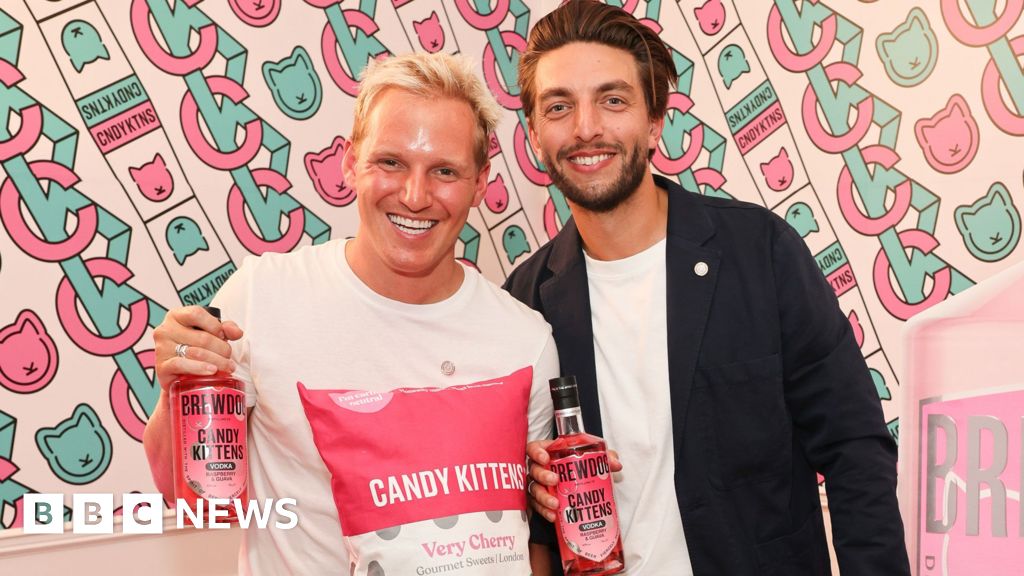
In a notable development within the food industry, British TV personality and entrepreneur Jamie Laing is poised to expand his vegan sweets brand, Candy Kittens, with the acquisition of the popular snack company Graze. This move represents a significant shift in ownership dynamics, as the deal will involve Katjes International, the parent company of Candy Kittens, acquiring Graze from packaged goods giant Unilever.
Set to be completed in the first half of 2026, the terms of the deal remain undisclosed. Graze, which has made a name for itself as a provider of healthy snacks since its inception in 2005, has been part of Unilever’s portfolio since 2019, when it was acquired for approximately £100 million (around $132 million). However, the brand has faced challenges in recent years, with sales declining and becoming what market analysts describe as "a bit of a money sink" for Unilever.
Unilever's decision to divest from Graze aligns with its broader strategy to streamline operations by focusing on more profitable segments, particularly in condiments and packaged goods. In their recent statement, Unilever emphasized the need to "prune the portfolio where relevant" to better sharpen its catalog. This is part of the company's ongoing efforts under CEO Fernando Fernandez, who has been working to fund a turnaround strategy since taking the helm in March.
Graze first gained traction as an internet-based snack delivery service, providing consumers with a variety of healthy, often nut-based treats. Over time, it successfully transitioned to retail spaces, capturing a significant market share in the UK. However, the landscape for snack bars has become increasingly competitive, with profit margins squeezed by rising costs of ingredients such as cocoa, wheat, and nuts.
In light of these challenges, Laing expressed optimism about the acquisition, stating that Graze has fundamentally changed how the UK perceives healthier snacking. He believes the brand's future will be "better realized under new ownership" with Candy Kittens, given their expertise in the consumer goods sector. Laing remarked, "When we started out, the thought of a company like Unilever buying our business was a dream. Today we're the ones buying a business from them. The tables have turned."
Retail analyst Jonathan De Mello noted that Unilever's initial acquisition of Graze was intended to enhance its direct-to-consumer market share, which has since dwindled in favor of traditional retail purchasing. As a result, a more hands-on approach from a smaller company like Candy Kittens could rejuvenate Graze’s brand identity and operational strategies.
This acquisition illustrates a growing trend in the snack food industry, where consumer preferences are shifting toward healthier options. Jonny Forsyth, a food and drink principal strategist at market research firm Mintel, stated that the deal extends Candy Kittens from indulgent treats into the realm of healthy snacks, which are expected to experience significant growth over the next decade. Forsyth also pointed out that Graze’s direct-to-consumer model was central to its identity, but Unilever’s decision to move away from this strategy had left it vulnerable to competition from supermarket private labels.
As the acquisition unfolds, it may signal a broader movement within the food industry toward smaller, more agile companies that can respond swiftly to changing consumer tastes and market dynamics. With Candy Kittens expanding its portfolio to include Graze, both brands are positioned to capture growing demand in the health-conscious snack market, which is likely to see substantial growth in the coming years.
Palladium Named Key to Revolutionizing Tech—Is Your Future at Risk?

Discover the 7 Surprising Snacks Experts Say Can Save Your Brain from Decline—#3 Will Shock You!

You Won't Believe What Happens When Hurricanes Clash with Texas A&M in the Playoffs!

Shocking Upsets in Hong Kong’s Legco Election: Who Won, Who Lost, and What It Means for Democracy!

You Won't Believe How GoTyme Bank's Shocking Crypto Move Could Change Your Financial Future!

Wall Street on Edge: Will the Fed's Shocking Rate Cut Crush Your Investments Today?
You might also like: