
Are Weight Loss Injections Making You Snack Instead of Eat? Dietitians Reveal Shocking Truths!


In recent years, weight-loss medications such as **Ozempic**, **Mounjaro**, and **Wegovy** have surged in popularity, with an estimated 2.5 million Britons currently using these drugs. This shift is not just affecting individual weight-loss journeys; it’s also reshaping eating habits across the UK, including influencing American dietary trends. A recent annual **Food & Drink report** by **Waitrose** revealed that more than half (57%) of their customers are opting for lighter, snack-like foods instead of traditional full meals. The rise in appetite-suppressing medications appears to be a significant factor in this transition.
The report highlights that over one-third of surveyed customers reported not feeling hungry enough for a full meal, a sentiment that reflects the appetite-suppressing effects of these weight-loss injections. As a result, people are increasingly embracing what’s termed “grazing,” a trend where individuals consume smaller, more frequent snacks throughout the day rather than sitting down for a traditional meal.
Interestingly, the types of snacks people are choosing are also shifting. According to **Emilie Wolfman**, Waitrose’s trend innovation manager, consumers are now prioritizing **nutrient-dense** snacks, often high in protein and with fewer additives. This focus on health aligns with recommendations for those using weight-loss medications, who are encouraged to maintain adequate protein intake to support muscle mass. The protein bar market is booming, with projections indicating that it will surpass **£1 billion** this year in the UK, signaling a significant consumer shift toward these convenient, nutrient-packed options.
Protein bars are becoming the go-to solution for those seeking both nutritional value and flavor. These bars are often marketed as quick, on-the-go snack options that can help bolster energy levels pre- or post-workout. Dietitian **Amy Gorin** notes that a protein-rich snack can enhance workout output and aid recovery, making them particularly appealing in a fast-paced lifestyle.
“There’s no official definition as to what constitutes a protein bar,”
However, this lack of standardization means it varies widely by brand in terms of protein content—some bars may contain as little as 1g of protein, while others pack up to 20g or more. Therefore, consumers should be educated on what to look for when choosing a protein bar. Gorin suggests looking for options that contain at least **5g of protein**, while **Maya Feller**, another dietitian, adds that the ideal intake will depend on individual lifestyle factors, such as whether one is training for a race or trying to achieve specific fitness goals.
In addition to protein, fiber content should be a consideration. A good protein bar should contain at least **3g of fiber**, as both fiber and protein help to keep one feeling full longer. However, high-fiber bars, especially those that approach or exceed **20%** of the daily recommended value, should be paired with sufficient hydration to prevent digestive discomfort.
Another concern is added sugars. Many protein bars, despite being marketed as health foods, can be loaded with sugars, with the **NHS** recommending that free sugars should account for no more than **5%** of total daily calorie intake, equivalent to **30g**. Some bars utilize alternative sweeteners, which can vary greatly in both sweetness and flavor.
Fat content also varies significantly depending on the protein source. For instance, bars made with beef or bison are likely to have higher saturated fat levels, while those centered on nuts or seeds may contain more total fats.
While protein bars may not suffice as complete meal replacements due to their typically low-calorie content, they serve as effective snacks or nutrient supplements. Choosing refrigerated bars can enhance quality since these often lack preservatives found in shelf-stable varieties. For those constantly on the go, however, non-perishable options may be more practical.
Best Protein Bar Buys
For consumers on the lookout for high-quality protein bars, several notable options stand out:
- Misfits Plant-powered Choc Protein Bar: Packed with **9.3g** of fiber and a delicious chocolate-caramel flavor.
- Barebells Cookies + Cream Protein Bar: Offers **20g** of protein and only **197 calories**, combining taste and nutrition perfectly.
- Maxinutrition Cinnamon Crunch Flavour Protein Bar: A nutritious cinnamon alternative, high in both protein and fiber.
- Grenade Carb Killa Peanut Nutter Bar: Delivers **20g** of protein with just **1.7g** of sugar, balancing taste and health.
- MyVegan Carb Crusher Choc Peanut Bar: Low in sugar (**1.8g**) and suitable for vegans, making it an inclusive choice for many dietary needs.
- Lucid Peanut Butter Jelly Mushroom Bar: Contains **10g** of plant protein, **7.1g** of fiber, and is infused with lion's mane for cognitive support.
- Bio&Me Blueberry Daily Boost Fibre + Protein Bar: Features **9g** of protein and includes **10** diverse plant-based ingredients, with no added sugars or preservatives.
- Warrior Creatine Protein Bar: Ideal for workout enthusiasts, it contains **20.1g** of protein and **3g** of creatine.
- Good Ranger Collagen Protein Bars: Provides **15g** of pea protein and **10g** of fiber, made free from artificial additives.
- Herbalife24® Achieve Protein Bar Dark Chocolate: A delicious alternative to traditional chocolate bars, delivering **21g** of protein and low sugar content.
As weight-loss jabs continue to reshape dietary habits, understanding what goes into our food—especially in popular options like protein bars—becomes crucial. As consumers navigate this changing landscape, the key lies in making informed choices that balance convenience with nutritional value.
Madrid's Tourism Boom is Thriving—But This Shocking Secret Could Change Everything!

Kaitlan Collins' SHOCKING comeback to Trump's 'stupid and nasty' jab will leave you speechless!
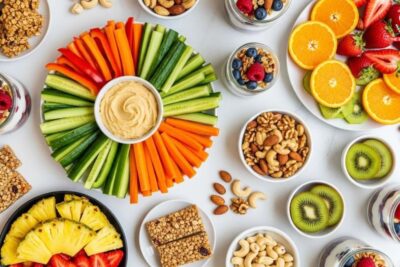
Unlock the Secret: 7 Nutritious Bites That Could Transform Your Busy Life Today!

What Shocking Luxuries Did I Discover in My Friend's Home That Made My Parents' House Feel Like a Time Capsule?

Meta's Shocking Delay: Is Their New Mixed-Reality Headset DOOMED Against Apple Vision Pro? Find Out Why!

11 Shocking Fitness Secrets: How These 7 Everyday People Stay Fit Without Counting Calories!
You might also like: