
What Shocking Luxuries Did I Discover in My Friend's Home That Made My Parents' House Feel Like a Time Capsule?

You know that strange sensation when you step into someone else's home and suddenly realize your notion of "normal" may not be universal? I experienced this vividly as a teenager during my first visit to a wealthy friend’s house. Until that moment, I believed everyone’s home operated much like mine—with similar food, routines, and a certain level of chaos. But stepping into his world felt like entering a parallel universe, not characterized by lavish décor, but by small details that nudged me to rethink my assumptions about everyday life.
Here are six insights from my upbringing that seemed entirely normal until I encountered a different version of "normal" at my friend's house:
📰 Table of Contents
Transforming Snack Time
In my parents' kitchen, there was always a singular snack zone, often perched on top of the fridge or in a gigantic plastic bag hanging off a chair. It was filled with discount chips, instant noodles, generic cookies, and neon-colored drinks that felt like they should have come with a warning label. If you were hungry, you simply grabbed something from "The Bag."
When I opened my wealthy friend's pantry, I was struck by the stark contrast. Instead of cheap, energy-draining snacks, I found almonds, high-quality dark chocolate, dried fruit, and sparkling water. Every item seemed intentionally chosen to nurture well-being rather than deplete it. This experience made me realize how much our default food choices shape our daily lives. If you were raised in an environment like mine, you likely prioritize "cheap" and "convenient." However, making slightly better options the easiest choices can lead to significant lifestyle improvements over time. For instance:
- Keep a bowl of fruit on the counter instead of cookies.
- Invest in good coffee to reduce the temptation for sugary drinks.
- Swap one ultra-processed snack for something more nutritious.
Reimagining "Good Plates"
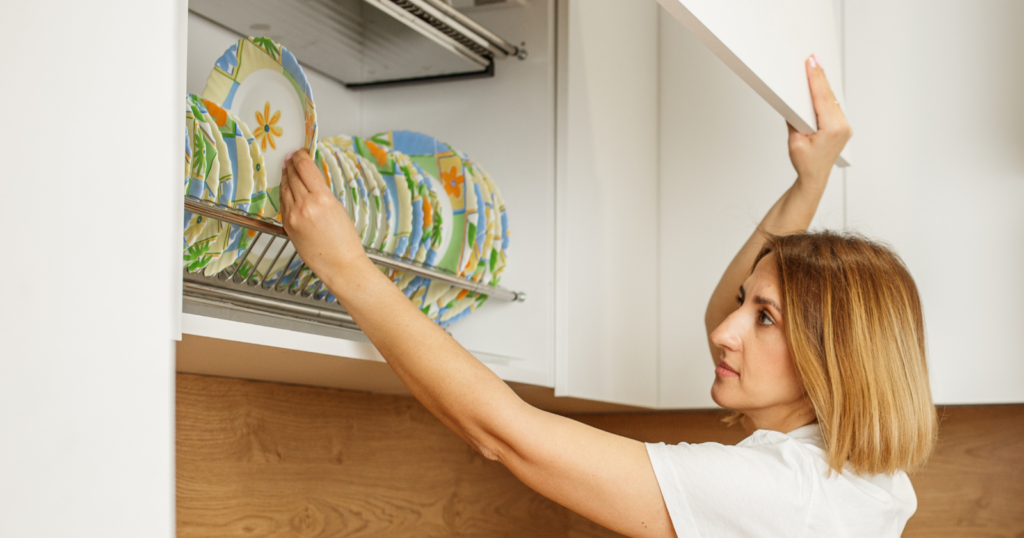
Growing up, we had two types of plates: the everyday ones—scratched, mismatched, and occasionally chipped—and "the good plates," which were tucked away in a high cabinet, reserved for special occasions. The thought of breaking one filled me with dread, as they felt part porcelain, part myth.
Visiting my friend's house, I noticed that their family used what appeared to be expensive plates every day, even for casual meals like Tuesday-night pasta. This challenged my upbringing's message: “Take care of the good things by not using them.” In contrast, his family believed in utilizing their cherished items. This notion was eye-opening; life is happening now, and we should enjoy it instead of saving everything for hypothetical future moments.
Embracing Calm over Chaos
In my household, the TV was essentially a family member—constantly on, providing a backdrop for homework and mealtime conversations. It was a source of noise, often filled with game shows and reruns. Turning it off felt unusually quiet.
Conversely, my friend's living room featured a silent TV, surrounded by books and soft music. People engaged in genuine conversations, creating a tranquil atmosphere that was refreshing to experience. This highlighted a significant point: my nervous system had grown accustomed to constant stimulation. As adults, we often yearn for focus and deeper connections. One lesson I took from that visit was to make “off” the default setting in my own life.
Decluttering the Junk Drawer
Every household has that infamous junk drawer, overflowing with old menus, mystery keys, and assorted odds and ends. My parents’ junk drawer morphed into a junk zone over the years, spilling into other drawers and onto counters. It felt entirely normal.
However, at my friend's house, I discovered an organized drawer with neatly lined cutlery and no random clutter. This wasn’t merely about aesthetics; living in constant chaos can create mental stress and reduce efficiency. An ordered space lowers resistance in daily tasks, allowing you to focus your energy on things that truly matter.
Reframing Financial Stress
In my childhood home, a stack of papers accumulated near the microwave—bills, reminders, and school letters creating a looming sense of anxiety. Money discussions were taboo unless something was amiss. In contrast, my friend's house featured a simple wall organizer displaying upcoming bills and due dates, fostering open conversations about finances without tension.
This difference in approach revealed a mindset: in my friend's household, money was viewed as a tool, and bills were a manageable part of life. If you relate to the "scary stack" vibe, consider making your financial matters more visible and organized, teaching your nervous system that adult responsibilities can be manageable.
Addressing the Unfixed
Lastly, my parents had numerous broken items—a chair you were warned not to lean back on, a cabinet door that needed a kick to close, and a persistent dim corner light. In contrast, my friend's home felt maintained, with everything functioning as it should.
Living with broken things can create a mindset where you simply learn to "work around" issues, leading to tolerating subpar situations in various aspects of life. Each time you repair a broken item, you send yourself a message: “My comfort and ease matter.” This small act can have a profound effect on your overall well-being.
So, what can we learn from these experiences? Visiting my wealthy friend's home illuminated the idea that what I thought was “just how life is” was more about my upbringing. You don’t need to be rich or live in a bigger house to elevate your everyday experience. Start by noticing where you’re on autopilot and what feels “normal” simply because you’ve never seen another option. Small adjustments can lead to a kinder, calmer, and more intentional life.
Meta's Shocking Delay: Is Their New Mixed-Reality Headset DOOMED Against Apple Vision Pro? Find Out Why!

11 Shocking Fitness Secrets: How These 7 Everyday People Stay Fit Without Counting Calories!

You Won't Believe What Happened When Lewes Lions Met the District Governor—Shocking Revelations Inside!

Vitalik Buterin’s Shocking Call: Is a New Gas Market the Key to Ethereum's Survival?

Shocking Poll Reveals: One Candidate's Secret Could Change the Governor's Race Forever!

EU's Crypto Rules Are Here: 5 Startups That Could Disappear Overnight! Are You Prepared?
You might also like: