
CDC Shocking U-Turn: What They’re Hiding About Newborn Hepatitis B Vaccines Could Risk Your Baby's Health!

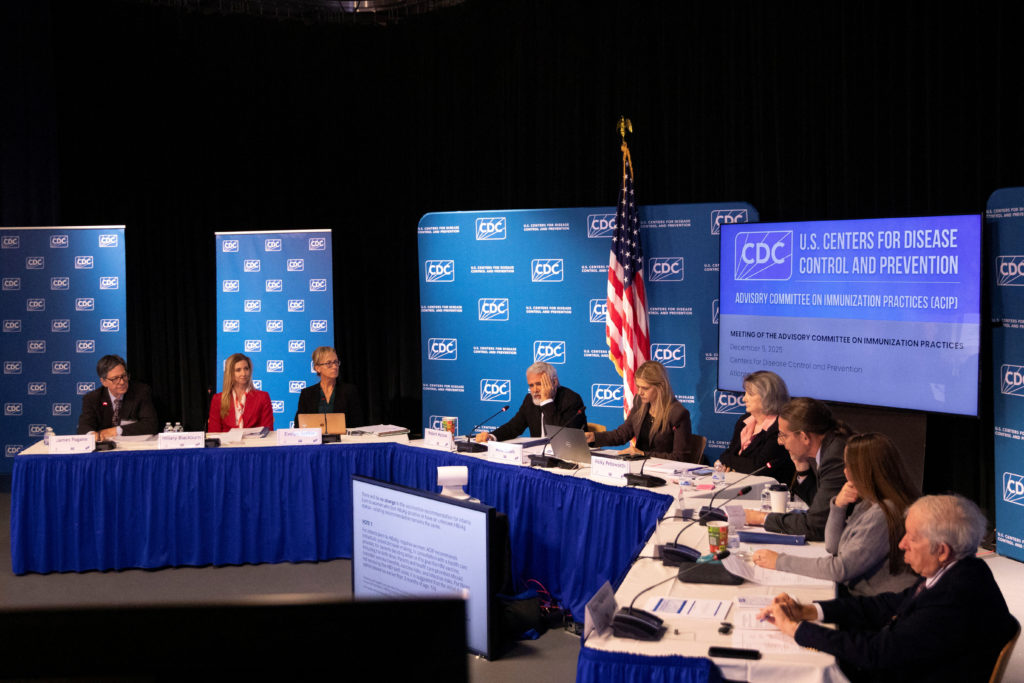
The recent decision by the U.S. Centers for Disease Control and Prevention (CDC) to reconsider its long-standing recommendation of administering the hepatitis B vaccine at birth has raised significant scrutiny and debate. Since around 1991, the CDC has advocated for this vaccination as a standard procedure for newborns. However, a vote by the Advisory Committee on Immunization Practices (ACIP) on December 5 reversed this policy, suggesting that mothers who test negative for hepatitis B should consult with their healthcare providers regarding the need for the vaccine, with the first dose potentially given no earlier than two months of age.
This shift is particularly notable given the committee's composition, which now includes members appointed by Health and Human Services Secretary Robert F. Kennedy Jr., known for his anti-vaccine stance. This renewal of the committee followed Kennedy’s decision to dismiss all previous members in June. The implications of this recent vote are profound, especially considering the critical role vaccination plays in safeguarding vulnerable populations, particularly infants.
One of the major points of contention is the committee's characterization of certain children as “low-risk” for hepatitis B exposure. While this may seem reasonable, the reality is much more complex. Hepatitis B is a highly infectious virus that can be transmitted through bodily fluids, including blood and even small traces left on household items like nail clippers or toothbrushes. The CDC estimates that approximately 640,000 adults in the U.S. live with a chronic hepatitis B infection, yet nearly 50% remain unaware of their condition, posing a hidden risk to those around them.
Moreover, the assumption that a mother’s negative test result is definitive is misleading. Before the introduction of universal vaccination, it was not uncommon for children under ten to contract hepatitis B from sources other than their mothers at birth. The need for vaccination at birth is grounded in protecting newborns, who are particularly susceptible to severe outcomes associated with the virus. Infants infected with hepatitis B face a staggering 90% risk of developing chronic infection, and tragically, one-quarter of those will face premature death from related complications, including liver cancer.
Dr. James Campbell, a pediatric infectious disease expert at the University of Maryland, highlighted the success of the birth-dose vaccination strategy, reflecting on the drastic decrease in infection rates since its inception. “We used to have 18,000 or 20,000 kids a year being born with this, a quarter of them going on to have liver cancer,” Campbell stated, “We now have almost none.” This statement underscores the critical importance of maintaining a consistent vaccination strategy to safeguard public health.
Dr. H. Cody Meissner, another committee member who opposed the change, pointed out that the decline in hepatitis B cases is a direct result of the vaccine's effectiveness. Before the vaccine was widely administered, annual infections ranged from 200,000 to 300,000, including around 20,000 children. Today, that figure has dropped to approximately 14,000 cases annually. In 2022, the CDC reported only 252 new chronic hepatitis B infections among individuals up to age 19, which translates to a mere 0.4 cases per 100,000 kids. “It’s a mistake to say that because we’re not seeing much disease, we can alter the roots or the frequency or the schedule for administration,” Meissner cautioned, warning that reversing the birth-dose recommendation could lead to a resurgence of infections.
It’s also worth noting that the U.S. is not an isolated case in vaccination strategy. According to a September 2025 report by the CDC, of the 194 member states of the World Health Organization (WHO), 116 countries recommend universal hepatitis B vaccination for all newborns. In contrast, Denmark, often cited by the committee as a benchmark, limits its hepatitis B vaccination to infants born to infected mothers.
The differing approaches between countries can largely be attributed to healthcare delivery systems. Unlike Denmark, which has a national healthcare system enabling comprehensive prenatal care and monitoring, the U.S. struggles with access to regular healthcare, particularly prenatal services, and has lower rates of hepatitis B screening among pregnant women. This disparity complicates the landscape of public health in America and raises further questions about the rationale for pushing back a vaccination that has proven successful in reducing infection rates.
As the conversation around vaccine policy evolves, it is crucial for parents and caregivers to remain informed about the potential risks of hepatitis B and the protective benefits of immunization. The recent changes to CDC recommendations underscore the necessity for ongoing dialogue and research in public health to ensure the safety and well-being of future generations.
Is Bitcoin About to Soar to $130,000 by 2026? Experts Reveal Shocking Secrets You Can’t Ignore!

Is Mount Rainier Shrinking? Shocking Climate Change Facts Reveal a Fragile Ecosystem!

Phoebe Gates Lands $30M for Phia—What Bill Gates Said Will Leave You Speechless!

Why Guardant Health's Latest Q3 Shock Could Change Your Investment Strategy Forever!

Josh Allen's Shocking Confrontation Sparks NFL Punishment for Steelers DT—What Happens Next Will Stun You!

Is the Healthy Snacks Market Set to Skyrocket to $141.6 Billion by 2030? Discover the Shocking Truth!
You might also like: