
Is Mount Rainier Shrinking? Shocking Climate Change Facts Reveal a Fragile Ecosystem!

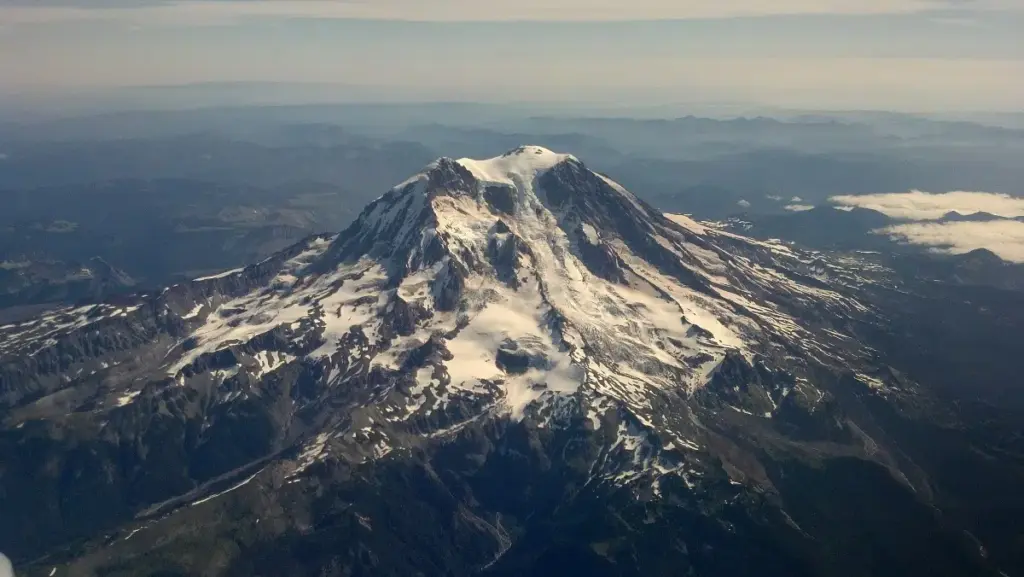
New research highlights a troubling trend at one of America’s most iconic landmarks: Mount Rainier is shrinking. Data collected through satellite imaging, laser records, and photographic archives reveals that the mountain has lost more than 6 meters at its highest point since the mid-20th century, primarily due to the accelerated melting of snow and ice driven by rising temperatures.
The retreat of the glacier has intensified over the past three decades, with new measurements indicating a shift in the highest point of the massif to the south. This shift reflects a significant structural transformation of the glacier covering the summit and raises alarm bells about the broader implications for the region’s ecology and water resources.
Interestingly, the research suggests that the increase in precipitation is occurring more frequently as rain rather than snow, which has historically helped maintain the mountain's permanent ice. As warmer temperatures continue to dominate, the implications for the surrounding ecosystems are becoming increasingly dire.
📰 Table of Contents
Impact on Regional Ecosystems and Water Supply
Mount Rainier boasts the largest number of glaciers in the continental United States, serving as a crucial water source for five major basins in the Pacific Northwest. These glaciers feed rivers that are essential for local populations, support cold habitats critical for salmon, and contribute to the region's hydroelectric power supply.
As glaciers recede, the decreased availability of fresh water during warmer months leads to imbalances in river flow, disrupting both aquatic and terrestrial biodiversity. Moreover, the resultant alterations in soil composition can heighten the risk of landslides and modify traditional mountaineering routes, putting recreation and tourism at risk.
However, researchers warn that the absence of comprehensive historical records about these peaks limits our ability to respond effectively to the rapid changes being observed. Without adequate data, understanding the long-term consequences becomes increasingly challenging.
A Global Indicator of Climate Change
The loss of snow and ice on mountains is one of the most visible signs of climate change. In Washington state, only five peaks have retained permanent ice within the last century, and all exhibit signs of retreat. The temperature increase of nearly 3 °C in high mountain regions since the 1950s is drastically reshaping these landscapes. Mount Rainier, a popular destination for tourists and hikers, faces transformations that could significantly alter both its geography and natural appeal.
Researchers emphasize the urgent need for increased monitoring and updated resources, including maps and guides, to better reflect the changing reality of the massif. These actions are crucial for both understanding the ecological impacts and preparing for future challenges.
As Mount Rainier continues to shrink, the consequences extend beyond the immediate area. The alteration of the regional water cycle is particularly concerning, as the diminishing ice reduces the mountain's natural water storage capacity. This change results in a mismatch between precipitation periods and water availability, aggravating summer droughts and diminishing the river flow that relies on snowmelt.
Warming rivers can directly impact the reproduction of salmon and other species that thrive in cold, oxygenated waters. Furthermore, these shifts pose risks for birds, mammals, and plant species that are adapted to high mountain conditions, thereby threatening the delicate balance of the local ecosystem.
Additionally, the loss of ice can destabilize slopes, increasing the risk of avalanches and altering runoff patterns. Such changes heighten the vulnerability of nearby communities to extreme events, including flash floods and landslides, underscoring the need for heightened awareness and preparedness.
As the landscape continues to shift, the narrative of Mount Rainier serves as a stark reminder of the fragility of mountain ecosystems and the urgent need for action in the face of climate change. The implications of its shrinkage are not just local but resonate across the globe, highlighting the interconnectedness of environmental challenges we face today.
Phoebe Gates Lands $30M for Phia—What Bill Gates Said Will Leave You Speechless!

Why Guardant Health's Latest Q3 Shock Could Change Your Investment Strategy Forever!

Josh Allen's Shocking Confrontation Sparks NFL Punishment for Steelers DT—What Happens Next Will Stun You!

Is the Healthy Snacks Market Set to Skyrocket to $141.6 Billion by 2030? Discover the Shocking Truth!

You Won’t Believe What MRED’s Greg Morrow Just Revealed About the Future of Real Estate!

Trump's Shocking Medal Ceremony: What He Revealed About the Honorees Will Leave You Speechless!
You might also like: