
Shocking Reasons 15 Countries Are Banning Social Media for Kids—What They Know That You Don't!

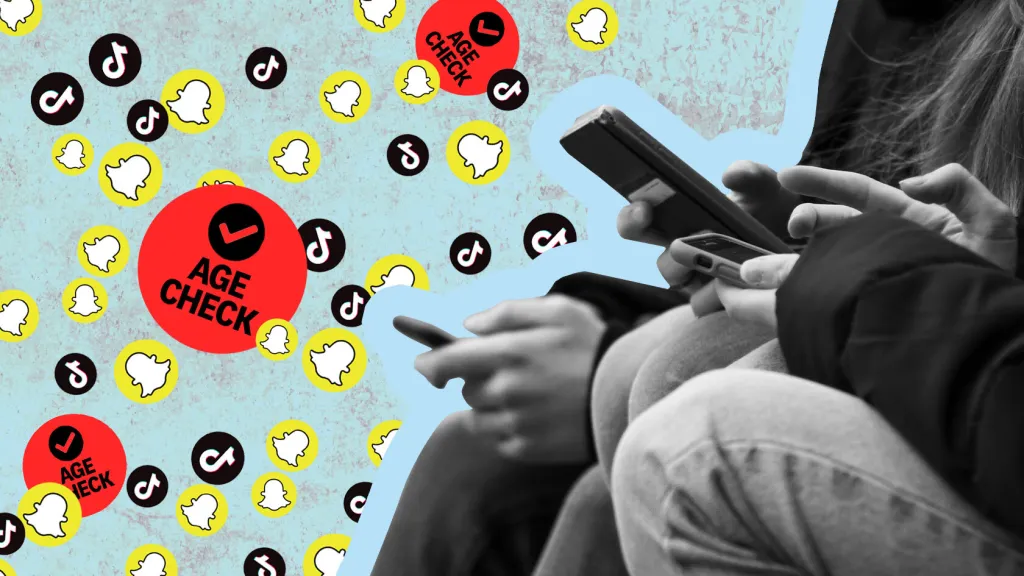
On November 21, 2023, the Australian government took a significant step by introducing an amendment to the country’s Online Safety Act, effectively banning children under 16 from creating accounts on various social media platforms. This initiative garnered overwhelming support from the public, with 77% of Australians backing the proposal. After a swift parliamentary review, the amendment was approved on November 29, 2023, and is set to come into effect on December 10, 2023.
The new law mandates that major social media platforms must take reasonable steps to comply with the ban, with substantial penalties looming for non-compliance, amounting to AUD$49.5 million. The Australian government has pointed to the addictive nature of these platforms and their detrimental effects on children's mental health as the driving forces behind this legislation. Prime Minister Anthony Albanese remarked that this ban aims to “give kids back their childhood and parents their peace of mind.”
This initiative reflects a growing trend among governments worldwide to address the issue of smartphone addiction among children and teenagers. For instance, in August 2023, South Korea enacted a bill prohibiting smartphone use during school hours, citing concerns over its impact on academic performance. Similarly, the Malaysian government announced plans to ban social media access for teens under 16 starting next year, while Indonesia has urged social media companies to implement stricter age verification measures and filter harmful content. In Europe, the European Union is also in the process of formulating regulations regarding children's internet use, including age verification laws.
Examining Australia’s Social Media Ban
The proposal for the ban emerged from a Joint Parliamentary Select Committee investigation launched in May 2024, aimed at exploring the effects of social media on Australians. Various organizations began advocating for the ban around the same time, linking social media to the escalating mental health crisis among teenagers. This advocacy garnered wide support from parents, educators, clinicians, and politicians, culminating in the amendment bill presented to Parliament on November 21, 2023.
Once the law takes effect, social media platforms—including major players like Facebook, Instagram, TikTok, Snapchat, X (Twitter), YouTube, Reddit, Twitch, Kick, and Threads—will be responsible for deactivating accounts belonging to users under 16. The Australian government has indicated that this list of required platforms could evolve, potentially adding more as similar concerns arise.
As the December 10 deadline approaches, Facebook and Instagram have already begun deactivating accounts of users who do not meet the age requirement. However, government officials have acknowledged that the implementation of the ban may not be flawless and have stated that immediate penalties for non-compliance will not be enforced initially.
Despite the ban's popularity, it has also sparked criticism from various quarters. Detractors argue that the government may lack a comprehensive understanding of the addiction process and express concerns over potential overreach into children's rights to access information and maintain privacy. Some mental health experts contend that the relationship between social media use and mental health is nuanced; they argue that moderate use does not inherently lead to addiction or mental health issues. Instead, they believe that pre-existing mental health problems could drive individuals toward excessive social media use, suggesting that removing these platforms might lead children to seek solace in other, potentially more harmful, addictions.
In response to these criticisms, the Australian government has committed to conducting a review two years post-implementation to assess the ban's effectiveness. The Joint Parliamentary Select Committee has also suggested increasing parental and child support to better address mental health concerns. Government officials assert that these measures are intended to protect children in the online space without infringing on their rights to information, noting that they will still have access to platforms like Google, Pinterest, and WhatsApp.
Ultimately, the success of this legislation in improving the mental and emotional well-being of children remains to be seen, but it marks a notable shift in how governments are approaching the complex issues surrounding children, social media, and mental health.
You Won't Believe What These Camden Mansions Sold For - Shocking Prices Revealed!

Jamie Lee Curtis Reveals the Shocking Secret Behind Her 20-Year Transformation—You Won't Believe What She's Hiding!

Is Bitcoin About to Crash Like Tulips? Discover What Experts Are Hiding!

You Won't Believe the Shocking Surprise at Missouri's Annual Tree Lighting Ceremony!

You Won't Believe What Lauren Underwood's New Act Could Mean for Farmers and Your Food Prices!

Why Matt Campbell's Shocking College Move Has Fans Divided—You Won't Believe What Happens Next!
You might also like: