
Louisiana's $47M Party-Primary Shift: What You MUST Know Before Voting!

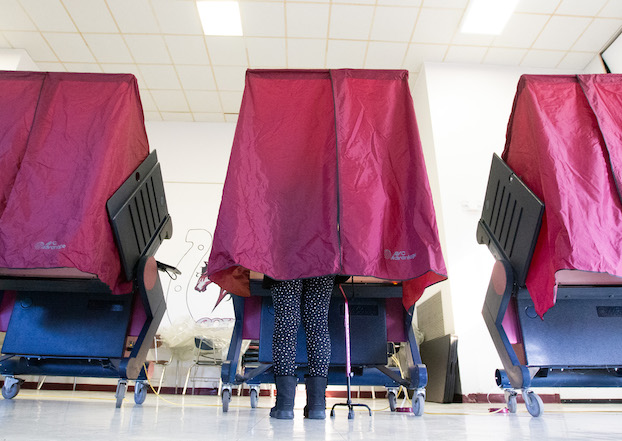
In a significant shift for its electoral process, Louisiana will transition from its long-standing open “jungle” primary system to a traditional party-primary system beginning in 2026. This change, which will cost taxpayers up to $47 million over five years, indicates a major overhaul in how voters engage with primary elections in the state.
Under the new system, voters will be restricted to participating in the primaries of their registered political party. However, unaffiliated voters will still have the option to choose which party primary to join, albeit limited to one. This marks a notable departure from the existing jungle primary, where candidates from all parties run on the same ballot and voters can choose any candidate, regardless of their party affiliation. A candidate must secure over 50% of the vote to win outright; otherwise, the top two candidates will face off in a runoff, irrespective of their party association.
The transition to party primaries will apply to elections for several key offices, including the U.S. Senate, U.S. House of Representatives, the Louisiana Supreme Court, the Board of Elementary and Secondary Education, and the Public Service Commission. According to the Legislative Fiscal Office, the implementation costs are projected to be at least $11.7 million in 2026, potentially rising to $19.7 million depending on the number of runoff elections necessary statewide. Costs in subsequent years are also anticipated, including $17.6 million in 2027 and up to $9.5 million in 2028, with a maximum five-year cost exposure approaching $47 million.
Each runoff election will require a comprehensive statewide operation that includes expenses for ballot printing, polling staff, overtime pay, and election supplies. The fiscal note estimates that a single statewide runoff could reach up to $7 million in costs, with factors such as ballot production and registrar staffing driving much of this expense. Additionally, the Secretary of State’s office is expected to incur more than $2 million in one-time costs related to voter education and necessary updates to election systems to ensure ballots reflect party affiliation accurately from 2026 onwards.
This shift to party primaries is significant not just for its financial implications but also for how it might shape political dynamics in Louisiana. The jungle primary system has been credited with fostering a more competitive political environment by allowing voters to select from a broader array of candidates, irrespective of party lines. Critics of the new system argue that it may limit voter choice and engagement by forcing individuals to align with a particular party’s platform during the primaries.
Supporters of the change, however, believe that a party-primary system can enhance party accountability and encourage candidates to appeal more directly to their base. As Louisiana prepares for this transition, the implications for voter participation and the broader political landscape remain to be seen. With the first elections under this new system scheduled for 2026, the state will have to navigate the challenges of implementing this significant electoral reform while also managing the associated costs.
COP30 Just Shocked the World: Biofuels Are Set to Explode—Will You Be Left Behind?
US Vaccine Advisers Just Made a Shocking Decision: Should Your Baby Skip the Hepatitis B Shot? Find Out Now!

Meta's Shocking $100 Million Deal with Top Publishers: What It Means for Your News Feed!

CDC's Shocking New Hepatitis B Guidelines for Infants: What Every Parent Must Know Now!

Why Ignoring Intangibles Could Cost You Thousands in Property Taxes – Find Out What You’re Missing!

You Won't Believe What Hyrox's New Fitness Cruise Could Mean for Your Next Vacation!
You might also like: