
CDC's Shocking New Hepatitis B Guidelines for Infants: What Every Parent Must Know Now!

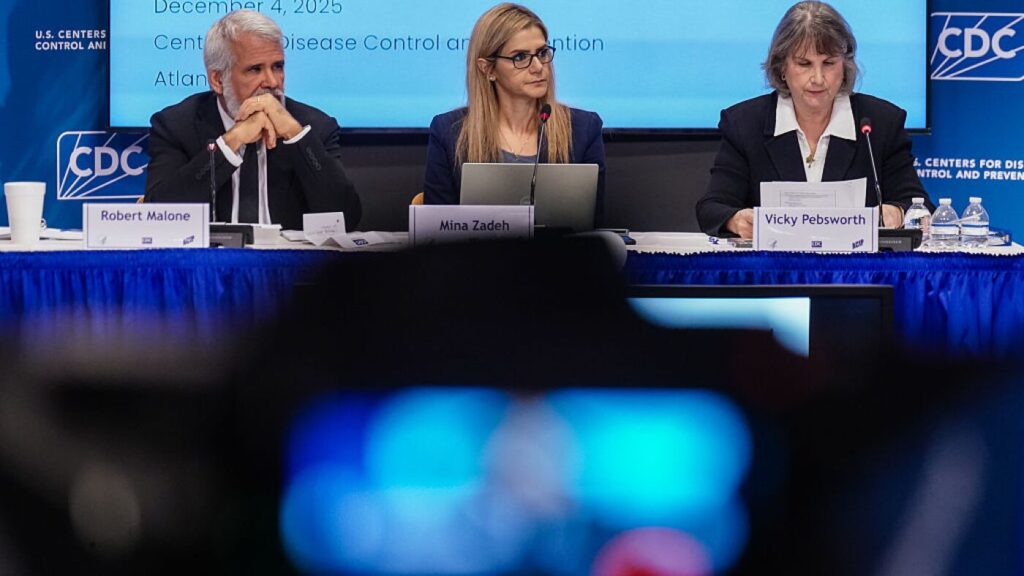
In a significant shift for public health policy, the Centers for Disease Control and Prevention (CDC) is considering a change in the immunization guidance for hepatitis B, particularly for newborns. Following a historical vote by the Advisory Committee on Immunization Practices (ACIP) on December 4, 2025, the panel recommended restricting the universal hepatitis B vaccine at birth, which has been a standard practice in the United States for over 30 years. This change, which passed with a vote of 8-3, would limit the birth dose of the vaccine to infants born to mothers who test positive for the virus, while those with negative or unknown hepatitis B status would consult with their healthcare providers about vaccination options.
This proposed rollback is concerning to many in the medical community, who argue that the universal vaccination policy has played a crucial role in significantly lowering the incidence of hepatitis B among U.S. children. Dr. Grant Paulsen, representing the Pediatric Infectious Diseases Society, expressed strong opposition during the meeting, stating, "Our question is why? Why is there pressure today to change something that has been working, due to safety concerns that may be more theoretical than real?"
In addition to the change regarding the initial immunization, a second vote addressed the number of doses infants receive. The committee voted 6-4, with one abstention, to recommend evaluating children's antibody levels after each hepatitis B shot to determine if additional doses are necessary. Traditionally, infants receive three shots: one at birth, another one to three months later, and a third between six to fifteen months. However, this new recommendation may lead some children to receive only one or two shots based on the antibody results.
Dr. Adam Langer, a CDC official overseeing hepatitis prevention, raised concerns during the discussions over making assumptions about vaccine efficacy without adequate supporting data, emphasizing that existing studies were based on the three-shot regimen. "Stopping at one or two shots would be making an assumption about efficacy that isn't supported by existing data," he cautioned.
The division within the committee reflects deeper disagreements regarding vaccine safety and efficacy. Some members who voted in favor of the changes were part of a subgroup that had been reviewing the hepatitis B vaccination policy for some time. Notably, the committee was hand-picked by Health Secretary Robert F. Kennedy Jr., who has a history of questioning multiple vaccination protocols. One voting member, Retsef Levi, a professor at the MIT Sloan School of Management, described the recommendation as "a fundamental change in the approach to this vaccine," implying that parents might want to reconsider the timing and necessity of vaccinating their children against hepatitis B.
Conversely, several members raised alarms about the potential risks associated with the proposed changes. Dr. Cody Meissner, a professor of pediatrics at Dartmouth's Geisel School of Medicine, emphasized that "vaccines are safe" and that the benefits of the universal birth dose are evident. He firmly opposed the proposed changes, stating, "We know it is very effective, and to make the changes that are being proposed, we will see more children and adolescents and adults infected with hepatitis B." He underscored the moral imperative of "do no harm," suggesting that altering the recommendation could lead to preventable infections.
The longstanding universal recommendation to vaccinate all healthy newborns was designed to protect at-risk infants, as hepatitis B can be transmitted during childbirth and through contact with infected body fluids. Administering the vaccine at birth offers lifelong protection against a virus that can lead to serious, potentially fatal health issues, including liver cancer and cirrhosis. This policy has been a cornerstone of the United States' strategy to eliminate hepatitis B.
As the ACIP's recommendations await approval from the CDC's acting director, the implications of this potential shift are profound. Stakeholders, including healthcare providers and parents, will need to navigate these changes carefully, weighing the benefits of vaccination against the evolving guidance. The debate around hepatitis B vaccination reflects broader discussions about pediatric immunization policies and the ongoing challenge of balancing public health imperatives with individual choice.
Why Ignoring Intangibles Could Cost You Thousands in Property Taxes – Find Out What You’re Missing!

You Won't Believe What Hyrox's New Fitness Cruise Could Mean for Your Next Vacation!

Brandon Aubrey's Shocking NFL Record-Breaking Moment in Week 14: You Won't Believe What Happened!

Is Mesa Quantum's Groundbreaking Tech About to Change Everything at Elevate Quantum's Lab? Find Out Now!

You Won't Believe What These North & South Hills Realtor Secrets Reveal About the Market—Find Out Now!

Funding Frenzy: This Startup Just Raised $100M—Will You Miss Out on the Next Big Thing?
You might also like: