This Hidden Vaccine Could Be Your Best Bet to Slash Dementia Risk by 30%—Find Out Why!

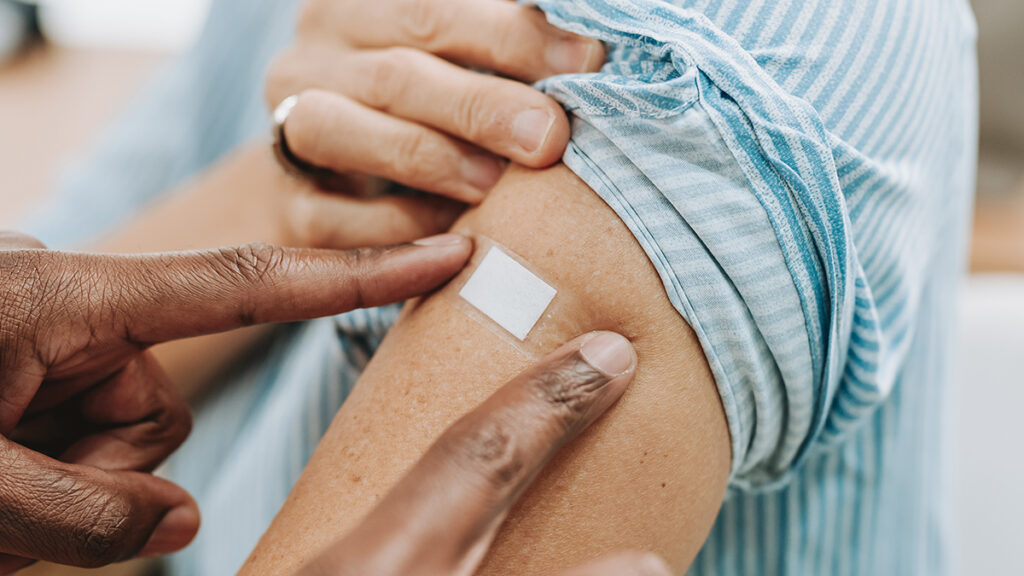
A shingles vaccination program that began in Wales in 2013 has unveiled promising new insights into the fight against dementia. Recent studies indicate that the vaccine not only reduces the risk of mild cognitive impairment but also appears to slow the progression of dementia in those already diagnosed. This information builds on earlier findings reported in April, which suggested the vaccine could help prevent dementia entirely.
In a follow-up study conducted by an international team, researchers found a significant link between the shingles vaccine and reduced mortality rates from dementia among patients who already had a diagnosis. The study adds to the accumulating evidence that targeting viruses affecting the nervous system, particularly the varicella zoster virus responsible for shingles, may offer protective benefits against dementia.
"Because the vaccine is safe, affordable, and already widely available, this finding could have major implications for public health,"
stated epidemiologist Haroon Ahmed from Cardiff University in the UK. He emphasized the need for further research to delve deeper into how the vaccine provides this protective effect against dementia and the underlying mechanisms involved.
The Welsh vaccination initiative allowed researchers to analyze data from a unique clinical scenario: the National Health Service (NHS) in the UK rolled out the vaccine selectively to individuals aged 79, while those aged 80 were not eligible. This situation created two comparable groups of participants, differing by just one year, which minimized the influence of other risk factors such as education levels and pre-existing medical conditions on dementia risk.
Of the 14,350 individuals diagnosed with dementia prior to the vaccination program, nearly half succumbed to the disease within nine years. However, findings revealed that being vaccinated against shingles decreased the likelihood of death from dementia by nearly 30%. This suggests a significant level of protection offered by the vaccine.
Additionally, vaccinated participants demonstrated a slower onset and lower incidence of mild cognitive impairment, often a precursor to dementia. The combination of these results, along with earlier findings indicating a lower risk of developing dementia altogether, paints an encouraging picture for future research and public health strategies.
"The most exciting part is that this really suggests the shingles vaccine doesn't have only preventive, delaying benefits for dementia, but also therapeutic potential for those who already have dementia,"
said biomedical scientist Pascal Geldsetzer from Stanford University in the U.S.
Despite the intriguing findings, the data does not establish a direct cause-and-effect relationship. However, it does highlight a significant correlation that merits further exploration. One of the primary challenges ahead will be understanding the mechanisms through which the shingles vaccine influences dementia development and progression. There may be connections involving the nervous or immune systems, as previous animal studies have linked viruses that affect the nervous system to the toxic protein build-up associated with Alzheimer’s disease.
Future research could expand by examining larger populations across various age groups and investigating the latest iteration of the shingles vaccine, as the one used in Wales since 2013 has since been replaced with an improved version. Geldsetzer remarked,
"Investing a subset of our resources into investigating these pathways could lead to breakthroughs in terms of treatment and prevention."
The findings from this research were published in the journal Cell, marking a significant contribution to the ongoing discourse surrounding dementia and potential preventive measures.
Why This Shocking Stat About the Top 3 NBA Draft Prospects Will Change Everything in 2026!
Kansas State's Shocking Coaching Move: Why Fans Are FURIOUS Over Collin Klein's Appointment!

You Won't Believe How Cirque du Soleil Transforms 'Twas the Night Before – Salt Lake City is Dying to Know!
You Won't Believe What Just Got Banned—This Shocking Reason Will Leave You Speechless!
Why Millions of Newborns Might Face a Life-Altering Hepatitis B Risk: Shocking CDC Decision Ahead!

AI War: Why Cohere's CEO Claims the US is About to Overtake China—Shocking Insights!
You might also like: