
Is Your Dream Albany Apartment a SCAM? Shocking 20% of Listings Are Fake! Find Out Now!

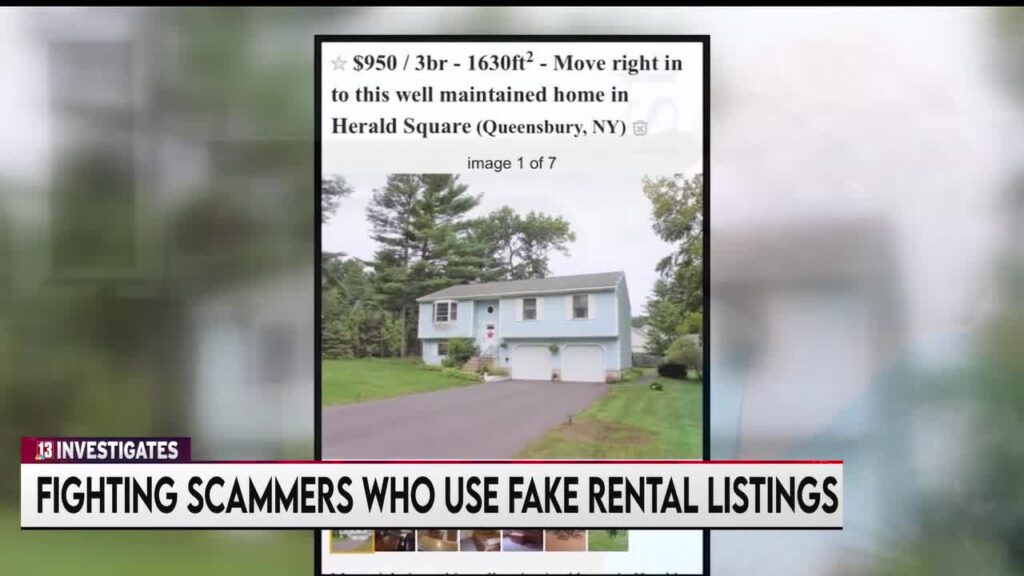
The real estate industry is currently grappling with a significant rise in fake rental listings, particularly on popular platforms like Facebook and Craigslist. Experts estimate that nearly one in five rental property listings on Facebook is fraudulent, prompting local real estate professional Miguel Berger to take action against these scams. A notable case from 2018 highlights this issue: a Queensbury woman discovered her house was falsely advertised for rent on Craigslist, even though she has owned the property since it was built and had never rented it out.
Scammers often exploit legitimate property listings, using pictures and information from homes that are for sale and advertising them as rentals at enticingly low prices. Their primary goal is to collect deposits and personal information from unsuspecting victims, which can then be sold on the dark web. As Berger explains, “What they’re looking for is a deposit, that’s the simplest way, and also they are looking for your private information.” In a troubling statistic, Berger, who is affiliated with the company Property Shield, reveals that about 20 percent of listings in every market are fraudulent.
In a demonstration of the scope of this problem, Berger noted that his team discovered 663 fake listings among 4,000 monitored in the Albany market alone this January. Identifying a fake listing typically involves recognizing certain red flags, such as the absence of a specific address or the presence of newly created profiles. For example, Berger found a suspicious listing for a property for sale in Indianapolis that was associated with a profile created in 2025, a clear indication of deceit.
Scammers frequently target out-of-town individuals or those who are urgently seeking housing, making them more vulnerable to these scams. While Property Shield successfully removes fake listings, the battle is ongoing; sometimes, a single property must be flagged and removed multiple times. “So sometimes we have to remove a house 50 times,” Berger says. “It’s like a Whack-a-Mole game.”
Moreover, some scammers go so far as to impersonate legitimate real estate brokers, further complicating the issue. Anthony Gucciardo of the Gucciardo Real Estate Group warns potential renters to exercise extreme caution if they are browsing for rentals on Facebook Marketplace or Craigslist, stating, “If you are on those two websites looking for rentals, there’s a good chance it could be a scam.”
To mitigate the risk of falling victim to these scams, platforms like Craigslist advise users against paying anyone before meeting them in person or sharing financial or personal information. Touring the property before making any commitment is highly recommended. Berger emphasizes the dangers: “The deposits that’s great. They make 5-600 dollars. But the problem is when you give them your banking information, your Social Security number.”
As the rental market continues to heat up, the urgency to secure housing can overshadow common sense, making it crucial for renters to remain vigilant. The reality is that moving can be stressful enough without the added risk of having one’s money or identity stolen. Awareness and education about these scams are vital for anyone looking to rent a home in today's market.
You Won't Believe What Samsung's New Tri-Fold Smartphone Can Do—Is It a Game Changer or a Total Flop?
Are You Ready? Spokane’s Health Board Is Hunting for an Admin Officer—What This Means for Your Community!
7 UWF Football Stars Make SHOCKING NCAA Transfer Moves—Who Will Land at D1? Don’t Miss the Drama!

Is the Singapore Stock Market About to Crash? Shocking Predictions for Friday Revealed!

You Won't Believe Which College Football Championship Games Are a MUST-WATCH—The Shocking Rankings Revealed!

$760M Investment Catapults Harvey AI to Shocking $8B Valuation—What’s Next for Investors?
You might also like: