
Zillow’s Shocking Silence: Are Your Dream Homes Built on Sinking Sand? Find Out Now!

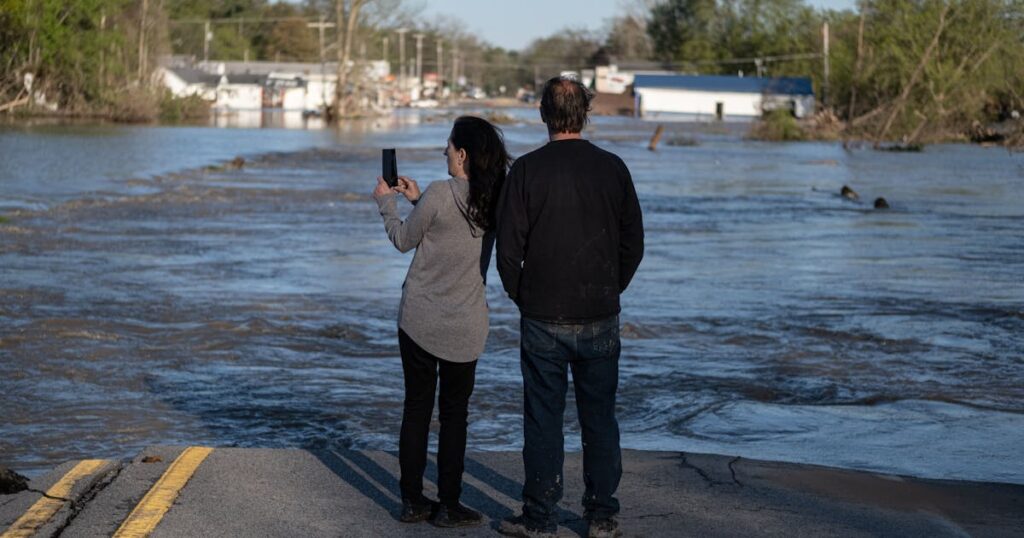
Homeownership in the United States has always been a cornerstone of the American Dream, but a growing crisis fueled by climate change is threatening this dream for millions of homeowners. Almost half of the homes across the nation are now at serious risk due to a variety of climate-induced threats, including flooding, wildfires, hurricanes, extreme heat, and deteriorating air quality. This alarming trend raises critical questions about the future of home values and the financial stability of homeowners.
As potential homebuyers struggle to access vital data that could influence their purchasing decisions, the insurance industry seems to be operating with a different set of rules. Insurers like State Farm have taken significant steps to mitigate their own risks. In just the last year, State Farm canceled a staggering 72,000 home insurance policies, leaving many homeowners vulnerable in the event of a future disaster. The ramifications of these decisions are far-reaching. For instance, Hurricane Helene caused approximately $200 billion in damages last year, but reports indicate that almost none of these losses were covered by insurance, highlighting a critical gap in protection for homeowners.
Insurers are not just withdrawing coverage; they are also increasing premiums to levels that many homeowners cannot afford. This trend has led millions to either go uninsured or settle for less comprehensive, cheaper policies that may not adequately protect them in the event of a disaster. The Senate Budget Committee warned as early as a year ago that these developments could lead to “a collapse in property values with the potential to trigger a full-scale financial crisis.”
According to projections from First Street, a climate risk data firm, Americans stand to lose nearly $1.5 trillion in assets over the next three decades due to damages linked to climate change. For many American homeowners, this loss represents not just a financial blow, but a pathway to financial ruin. Homes are often the most significant asset for families, with home equity accounting for 45% of their net worth. This percentage is even higher for Black and Hispanic homeowners, who typically possess far less wealth than their white counterparts, making them particularly vulnerable to these shifts in the housing market.
The implications of these climate risks extend beyond just financial concerns. Severe weather events exacerbated by climate change threaten lives in areas previously considered safe. For instance, the risks are not limited to stereotypically hazardous regions like Tornado Alley or the Gulf Coast. Homes in places like Brooklyn, New York, and the Pacific Palisades in California are now also at risk of severe damage due to climate impacts.
The ongoing crisis underscores the urgent need for comprehensive solutions. Policymakers must address these risks not only to protect homeowners but also to stabilize the housing market as a whole. If no action is taken, the consequences could be dire, affecting not just individual families but the broader economy as well.
As the climate crisis escalates and insurance coverage becomes increasingly elusive, it is clear that homeowners must be more vigilant than ever. Understanding these risks and making informed decisions about home purchases and insurance coverage is essential for safeguarding one of the most significant investments many Americans will ever make: their home.
CDC Meeting Today: Shocking Changes to Childhood Vaccine Schedule Could Impact Millions! Are Your Kids at Risk?

Shocking Airstrike Targets MSF Health Facility in South Sudan—What’s the Hidden Cost?

Unlock the Secret to 2x Bigger Biceps: The Crucifix Curl You’ve Never Tried!

Is Bitcoin's Collapse Imminent? Discover the Hidden Risks That Could Cost You Thousands!

Discover the Shocking Fitness Deals This December – You Won't Believe What Sycamore Park District Is Offering!

Why Larry Fink Warns SWFs Could Lose Billions—Is Your Portfolio Safe?
You might also like: