Should Israel be BANNED from Eurovision? Shocking Debate Unfolds with Major Consequences!


As the Eurovision Song Contest prepares for its 70th edition in May 2026 in Vienna, a contentious debate has erupted over Israel's participation. The European Broadcasting Union (EBU), which oversees the contest, is currently discussing potential rules aimed at preventing government interference in voting—a reaction to claims that Israel unduly influenced the public vote during the 2025 contest amid ongoing violence in Gaza.
Public broadcasters from several nations, including Iceland, Ireland, Spain, Slovenia, and the Netherlands, have expressed strong opposition to Israel's involvement due to allegations of interference in last year's competition. These tensions culminated in a postponed decision on Israel's status, originally slated for November, which was delayed following a ceasefire agreement between Israel and Hamas on October 10. Since then, reports indicate that Israel has violated the ceasefire nearly 600 times, exacerbating international concerns.
During the meeting that began on December 4, 2025, the EBU is exploring new voting structures intended to mitigate such government influences. These changes include reintroducing an expanded professional jury, which will account for approximately 50% of the total vote, with the remaining half coming from public voting. Should the EBU fail to agree on these new rules, a vote could be held on Israel's eligibility for the contest.
The Dutch broadcaster AVROTROS has accused Israel of "proven interference," asserting that the nation has engaged in a "serious violation of press freedom" during the conflict, limiting access for foreign journalists in Gaza. In stark contrast, Germany, a significant supporter of Eurovision, has stated it will withdraw from the contest if Israel is barred, with German Minister of State for Culture Wolfram Weimer declaring, "Israel belongs in the Eurovision Song Contest."
Israel's public broadcaster, Kan, is reportedly preparing for the upcoming contest while also reviewing changes to its entry selection process. The broadcaster plans to present its stance on potential disqualification at the ongoing meeting.
The Eurovision Song Contest, a cultural phenomenon since its inception in 1956, reaches an astounding audience of about 160 million viewers each year. Previous exclusions from the contest, such as Russia after its invasion of Ukraine in 2022 and Belarus following controversial elections, illustrate the potential consequences of political actions on participation in this international platform.
As the EBU navigates this politically charged landscape, the decisions made in Geneva will not only impact the Eurovision Song Contest but may also reflect broader international sentiments regarding artistic expression amidst geopolitical conflicts. The outcome of these discussions could set a precedent for how cultural events respond to global political dynamics moving forward.
From Bare-Knuckle Brawler to Fitness Icon: 10 Shocking Secrets About Putin You Won't Believe!

You Won't Believe How e& Egypt's New Deal Could Change Your Streaming Forever!

Aetna's Bold Move: Will This Shocking Change Leave Your Healthcare in Chaos?

You Won't Believe How Just 1 Ounce of Peanuts Can Revitalize Your Memory—Find Out Now!
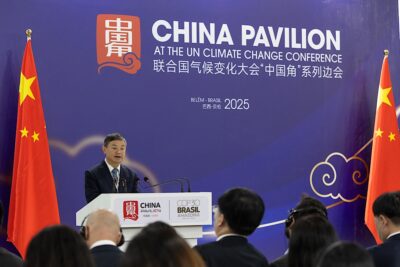
China's Shocking Climate Gamble: Are They Really Ready for a 30% Increase in Disasters?

Shocking CDC Vote Looms: Could Your Newborn Face a Life-Threatening Hepatitis B Risk?
You might also like: