
You Won't Believe What Happened to Kids Who Got Cell Phones at 10: Shocking Stats Inside!

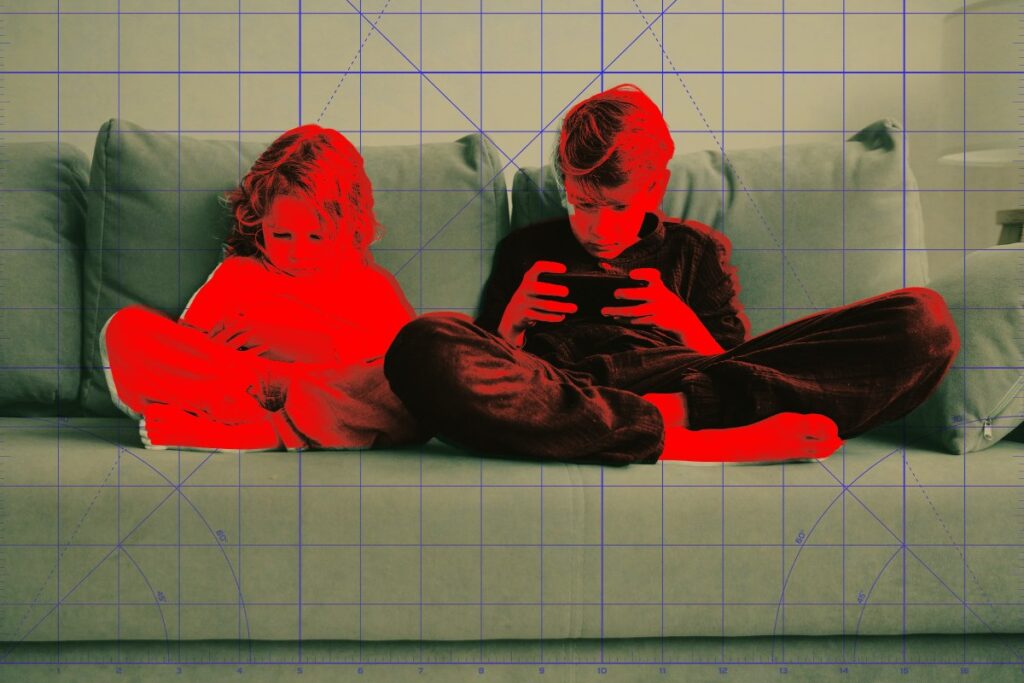
Giving a young child a smartphone may come with unforeseen consequences, according to new research from scientists at UC Berkeley and Columbia University. A study published in the journal Pediatrics reveals that children aged 12 and under who receive smartphones exhibit a higher risk of developing issues related to mental health, including depression, obesity, and sleep deprivation.
This important research is based on an analysis of over 10,000 children who took part in the Adolescent Brain Cognitive Development Study from 2018 to 2020, the largest long-term study of brain development and child health in the United States. While the findings do not definitively establish causation, the correlation underscores a growing body of evidence regarding the negative cognitive impacts of devices such as smartphones and tablets on children, which can affect everything from education to social skills.
“When you give your kid a phone, you need to think of it as something that is significant for the kid’s health — and behave accordingly,” said Ran Barzilay, a child and adolescent psychiatrist at Children’s Hospital of Philadelphia, in an interview with The New York Times.
In the study, approximately two-thirds of participants owned smartphones by the age of 12, with the median age of acquisition being 11 years old. Their development was compared to a cohort of about 3,800 children who did not have smartphones before turning 12. The researchers found that those with smartphones were at greater risk for not only depression but also obesity and poor sleep. Alarmingly, they noted that the younger a child was when they first received a smartphone, the higher their risks for obesity and sleep issues.
The researchers also found that even children who had never owned a smartphone before turning 12 but received one afterward showed a higher risk of poorer mental health and sleep quality by age 13 compared to peers who remained without one. “We didn’t even look at what the kids did on the phone,” Barzilay explained to CBS News. “We basically asked one simple question: does the mere factor of having one’s own smartphone at this age range have anything to do with health outcomes?”
This study highlights that the issue may not be solely the smartphones themselves, but also the apps they provide access to—many of which can have detrimental effects on children. Social media platforms, streaming services, and mobile games can lead to decreased attention spans and excessive screen time, factors that contribute to mental health difficulties. For instance, a 2025 study involving over 100,000 children found that those who received smartphones before age 13 experienced increased suicidal thoughts and a diminished sense of self-worth.
As society continues to grapple with the pervasive influence of smartphones on young people's lives, some schools are opting to ban these devices altogether. In light of these findings, Barzilay emphasizes the importance of urging young people to engage in physical activities, which can help mitigate obesity and improve mental health over time.
The conversation around the appropriate age for giving children smartphones may miss a larger point. Beyond just assessing when to hand over these devices, it might be crucial to consider the broader context of their impact on child development. As technology evolves, understanding its consequences becomes even more vital for parents, educators, and society at large.
Ultimately, it's imperative for parents to contemplate not just when but how they introduce smartphones into their children's lives, recognizing that these devices can significantly shape their health and development.
Mavericks Rookie Stuns NBA: You Won't Believe How He Made History Against the Nuggets!

This Startup Just Hacked Construction Red Tape—Is Your Project Next on Their List?

Is Your Fascia Hiding a Secret That's Sabotaging Your Health? Find Out Now!

Why 80% of Southern African Journalists Are Failing Climate Change Coverage—Don't Be Left in the Dark!

Australia's Shocking Move: Are Teens About to Lose Their AI Rights? You Won't Believe What’s Next!

Is Your Health Privacy at Risk? Shocking Revelations That Could Change Everything!
You might also like: