
Bitcoin Plunges 30% Overnight! Are Investors About to Face a Total Collapse?

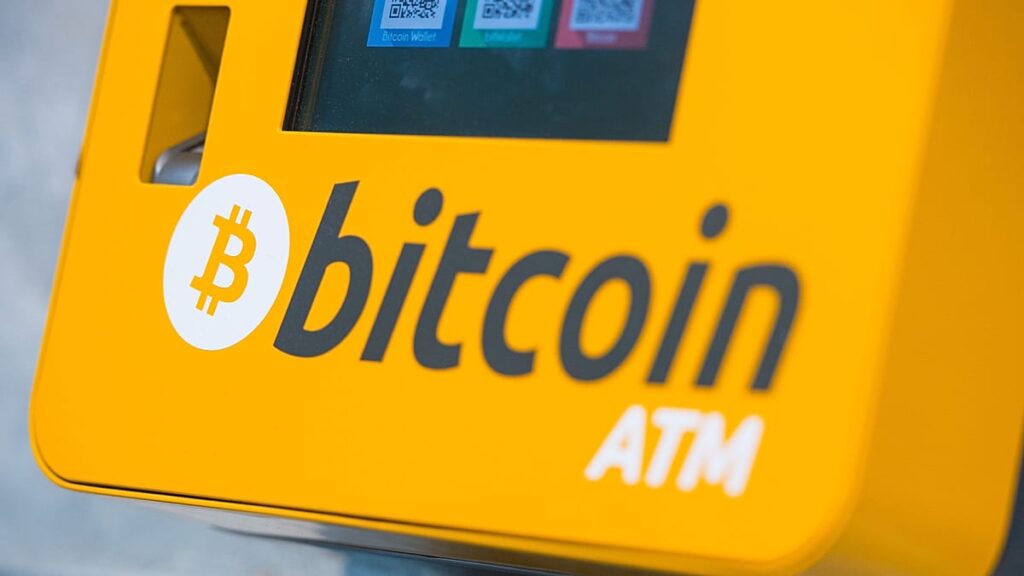
As the cryptocurrency market begins another month, it continues to reflect a downward trajectory, with Bitcoin experiencing a significant drop of over 5% in European trading on Monday morning, falling below €75,000. This decline follows a rapid ascent to a record high of approximately €110,000 in early October, marking a stark contrast to the current state of the market. In November alone, Bitcoin lost more than 16% of its value, even nearing the €74,000 mark at one point.
Bitcoin's plunge is not happening in isolation; other major cryptocurrencies also took a hit on Monday, with Ethereum and Solana both dropping over 5%. This pattern of decline, which initiated in October, underscores the volatility inherent in the cryptocurrency market. Although Bitcoin showed fleeting signs of stabilization last month, any rebounds were short-lived, leading to renewed price falls.
The current market environment indicates a broader trend as investors adopt a more risk-averse posture. In recent weeks, various stocks have also seen declines, with low inflows into Bitcoin exchange-traded funds (ETFs) contributing to the downward pressure. An ETF allows investors to buy into a basket of assets—whether stocks, bonds, commodities, or cryptocurrencies—through a single share, simplifying the investment process. However, when the prices of the underlying assets start to fall, it often leads to a sell-off of ETF shares, which in turn affects the price of the total ETF.
The decline of Bitcoin and other cryptocurrencies can be attributed to a confluence of global market uncertainties and a waning appetite for riskier assets. Recent economic signals have been weaker than anticipated, dampening hopes for early interest rate cuts from central banks such as the US Federal Reserve and the Bank of England. This has resulted in traders shedding assets perceived as risky, including cryptocurrencies.
Experts have pointed to aggressive trading strategies employed by professional investors as another factor behind Bitcoin's slump. Many had hoped that Bitcoin would start to behave more like a safe-haven asset, akin to digital gold, but its unpredictable nature has instead aligned it more closely with tech-adjacent stocks. For instance, Nvidia, the company renowned for its popular GPU chips, experienced a similar pattern this year, with its stock also facing steep declines after an initial surge.
The current downturn presents a critical moment for investors and market analysts alike. It raises questions about the future trajectory of not just Bitcoin, but the entire cryptocurrency landscape. As the market grapples with these challenges, observers will be keenly watching how investor sentiment evolves in response to ongoing economic developments.
Kimi Antonelli's Shocking Social Media Blackout: What Red Bull's Apology Reveals About the Death Threats!

The Clock is Ticking: Are You One of the 35 Innovators Who Could Change 2026 Forever?

You Won't Believe How 7 Simple Lifestyle Changes Can Transform Your Health in Just 30 Days!

Why ‘Rage Bait’ Just Became Oxford’s Word of the Year—You Won’t Believe the Outrage Behind It!
Your Browser Is Outdated—Here’s What Hackers Can Do to Your Data in Just 30 Seconds!

Revealed: 7 Shocking Ways Your Smartphone is Harming Your Health—Number 3 Will Terrify You!
You might also like: