
Trump's Candidate Surges Ahead by a Jaw-Dropping 2%—Will This Shatter Election Predictions?

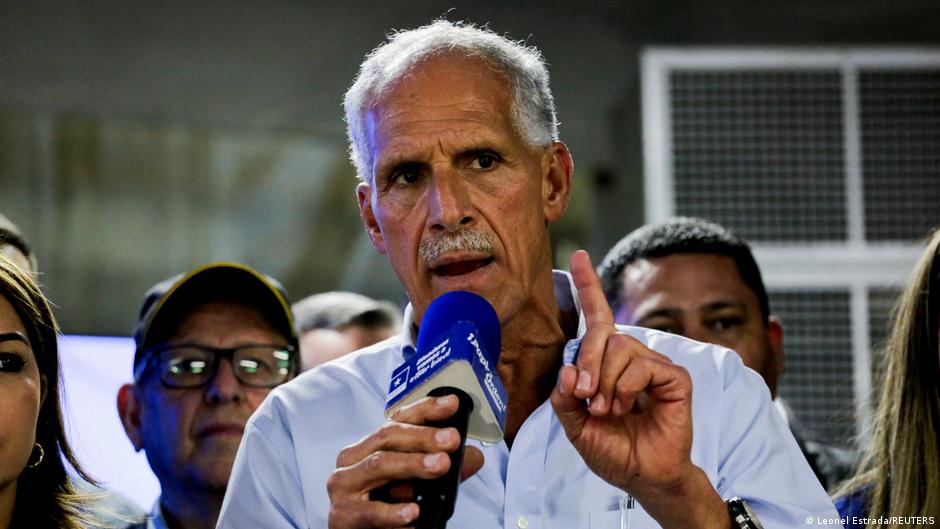
The Honduran presidential race is heating up, with preliminary results showing a tightly contested battle for the nation's future. Early Monday, Nasry "Tito" Asfura of the right-wing National Party held a slim lead, garnering about 41% of the votes counted. Close behind was Salvador Nasralla from the Liberal Party, who secured approximately 39%. Rixi Moncada of the ruling LIBRE party trailed with about 20%. As of early Monday, just over 40% of ballots had been counted, and both Asfura and Nasralla emphasized that it was too early to declare victory.
The stakes are high, as the winner will govern the Central American country from 2026 to 2030. The elections follow a period of leftist rule under President Xiomara Castro, whose administration has faced significant challenges since her husband, Manuel Zelaya, was ousted in a 2009 coup.
In a dramatic twist, former President Donald Trump has intervened in this election by threatening to cut U.S. aid to Honduras if his favored candidate, Asfura, does not win. Trump’s remarks on his Truth Social platform echoed similar threats he made during recent midterm elections in Argentina. He stated, “If he (Asfura) doesn’t win, the United States will not be throwing good money after bad.” Trump's involvement underscores the geopolitical significance of Honduras, one of Latin America's poorest countries.
The Candidates
The presidential race is primarily between three candidates: Nasry "Tito" Asfura, who is a 67-year-old former mayor of Tegucigalpa; Rixi Moncada, a 60-year-old lawyer and representative of the ruling LIBRE party; and the 72-year-old TV host Salvador Nasralla from the Liberal Party. This upcoming election could signal a broader political shift in the region, as several Latin American countries, including Argentina and Bolivia, have recently transitioned to right-wing leadership.
As the election unfolds, the atmosphere remains polarized. Moncada has raised concerns about the integrity of the voting process and suggested she might not recognize the official results. This climate of distrust is echoed by both Asfura and Nasralla, who have accused each other of potential fraud amid the tight race.
In a controversial move, Trump also announced plans to pardon former President Juan Orlando Hernandez, who is currently serving a 45-year prison sentence in the United States for drug trafficking and other charges. This statement further complicates the political landscape, as Hernandez was a key figure in the National Party and his legacy remains contentious in Honduras.
As polling stations opened at 7 a.m. local time and closed at 5 p.m. on election day, the country braced for a night of intense counting. With the race so close, every vote counts, and many eyes are now focused on how the final results will impact both the future of Honduras and its relationship with the United States.
The outcome of this election holds significant implications not only for Hondurans but also for U.S. policy in Central America. As the potential for economic aid hangs in the balance, the global community watches closely, aware that the results could set a precedent for future governance in a region grappling with corruption, poverty, and migration challenges.
Trump's Shocking Pick Asfura Takes Lead in Honduras Election—What This Means for America!
Luka Doncic's SHOCKING Stare-Down: What NBA Fans Are Saying Could Change Everything!

I Spent 14 Days Chasing My “Flow State”—What Happened Will SHOCK You!
Yemen on the Brink: Why One Governor's Call for Revolution Could Change Everything!

School Bans Smartphones for Students Starting 2026: Is This the End of Digital Freedom? Shocking Reasons Inside!

Is Your Country Falling Behind? Discover the Secret European Nations Racing to Build Sovereign AI!
You might also like: