
Why Is FanBants Shutting Down in Africa? Shocking Reasons Behind the Collapse Revealed!

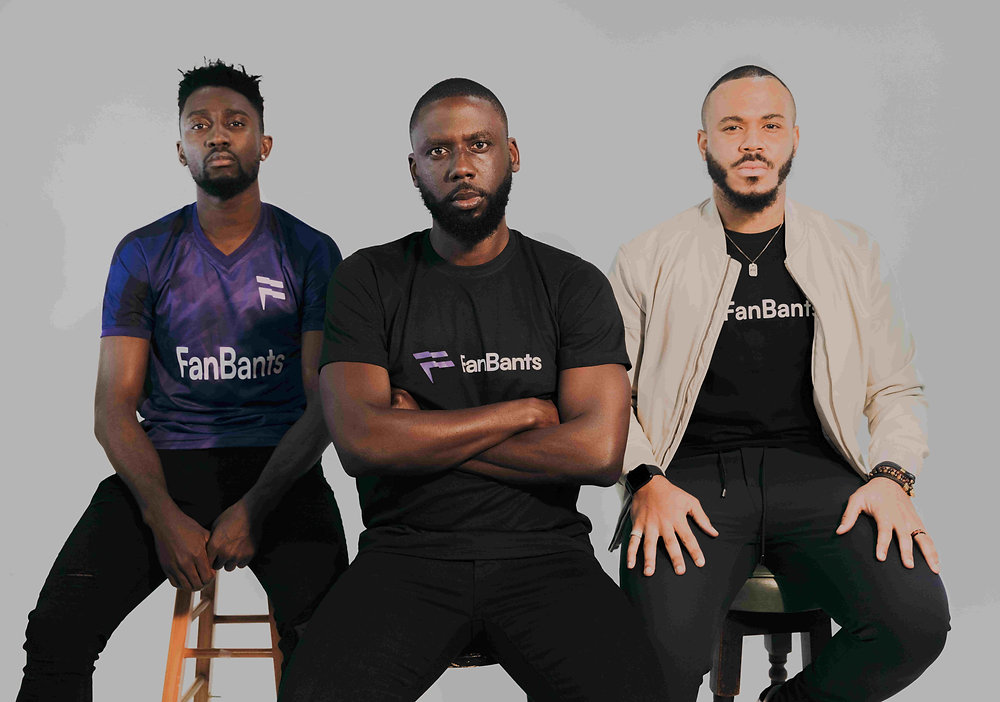
In a significant turn of events for the fantasy sports landscape in Africa, FanBants, a startup that aimed to transform fan engagement through a unique blend of sports and pop culture, has announced its closure. Founder Fola Folowosele confirmed the decision this week, marking the end of a four-year journey that began with the backing of Techstars and grew into one of the continent’s more creative interpretations of fan involvement.
Launched in 2021, FanBants pioneered the establishment of fantasy leagues centered around major global tournaments, including the African Cup of Nations (AFCON) and Nigeria's Professional Football League (NPFL). This was a groundbreaking effort, as it was the first local platform to attempt such initiatives. The startup further innovated with its feature Gist Markets, which allowed users to draft reality show contestants, predict outcomes, and compete for prizes during culturally significant moments like Big Brother Naija and The Real Housewives of Lagos.
This fusion of sports and pop culture enabled FanBants to build a distinctive identity and garnered early traction. In 2022, it became one of the few African startups selected for Techstars’ Minnesota Twins Accelerator, a program dedicated to sports technology. A year later, FanBants received funding from EMURGO Kepple Ventures, which expanded its reach beyond Nigeria and into emerging markets.
By mid-2024, FanBants had achieved over 50,000 Android downloads. However, despite this growth, it was not enough to ensure sustainability. In his LinkedIn statement about the shutdown, Folowosele expressed bittersweet sentiments, stating, “After an incredible journey building FanBants over the last few years, we made the difficult decision to shut the company down.” He characterized FanBants as “real innovation in fan engagement,” noting its evolution from fantasy football to pop-culture prediction markets. He added, “We built a community who genuinely believed in what we set out to create.”
Folowosele took the opportunity to express gratitude to the users, partners, and investors who supported the venture, acknowledging, “While this isn’t the outcome we hoped for, I’m extremely proud of what we built and the journey it took to build it.” With the shutdown, users have been advised to withdraw any remaining balances by November 5, a procedural step in the closure of a company that sought to formalize fandom through innovative fantasy sports and pop-culture gaming.
The closure of FanBants is indicative of a broader challenge facing fan-tech companies globally: the struggle to convert fandom into a sustainable business model. In Africa, other startups like Eksab in Egypt and myFanPark in South Africa are also experimenting with ways to monetize fan passion consistently. On a global scale, platforms such as Socios.com and LiveLike have demonstrated that engagement can be monetized through various avenues, including prediction games, digital collectibles, and interactive media. However, even these successful models require constant innovation.
For Africa’s tech ecosystem, the exit of FanBants leaves a noticeable void. It was one of the few platforms that successfully combined the realms of sports, pop culture, and local context into a unified user experience. The narrative surrounding its rise and fall underscores that building for culture demands more than just community enthusiasm; it requires robust infrastructure, innovative monetization strategies, and regulatory clarity—elements that many ventures in the fan-tech space are still striving to achieve.
Celtics vs. Cavaliers: You Won't Believe What Pritchard Just Revealed About Game 7!

Elon Musk's xAI Exec Drops SHOCKING Truth About 36-Hour No-Sleep Grind – You Won't Believe His Warning!

Stock Market Soars: Sensex Hits Unbelievable 70,000! Find Out Which Stocks Will Break Records Next!

Muslim Family's Shocking Punishment: 3 Disturbing Details About Their Drowned Daughter's 'Western' Life!

Family of Shooting Victim Turns to Viral Outrage—What They Discovered Will Shock You!

After Shocking Loss to Rockets, Is Keyonte George's Future with the Jazz Hanging by a Thread?
You might also like: