
Elon Musk's xAI Exec Drops SHOCKING Truth About 36-Hour No-Sleep Grind – You Won't Believe His Warning!

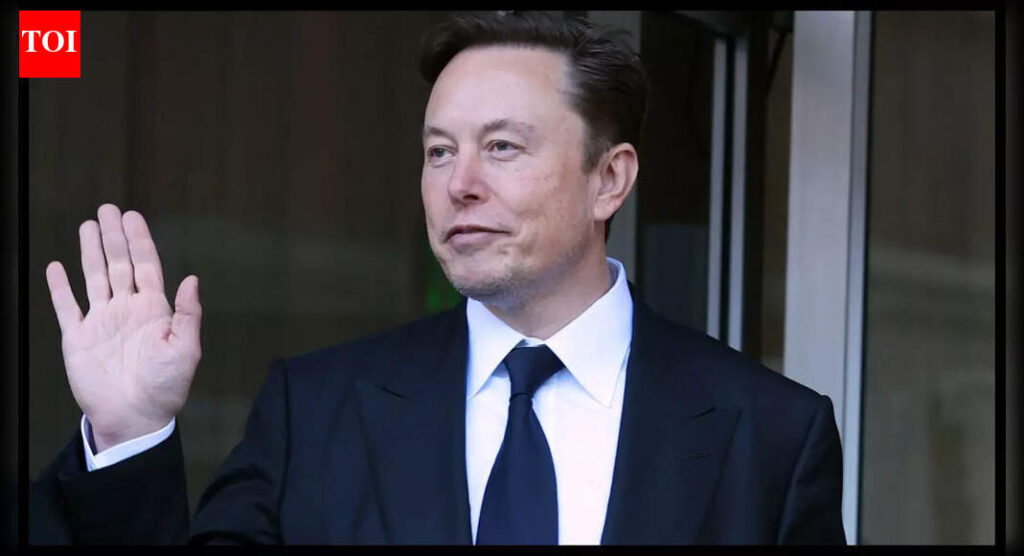
In a recent social media stir, Tesla CEO Elon Musk's AI company, **xAI**, is under scrutiny after an engineer disclosed that he worked 36 hours straight without sleep. The post, made by engineer **Parsa T** on X (formerly Twitter), expressed gratitude for his team while revealing the intense demands of a current project. He stated, “Last night I left the @xai office after ~36 hours of working with no sleep. Although I was dead, I was also super energized. Incredibly grateful to be a part of this team. Happy Thanksgiving!” This revelation has ignited a larger discussion about work-life balance in the tech industry.
The reaction to Parsa’s tweet was mixed; while some praised his dedication, others criticized the unhealthy work culture that necessitates such extreme hours. **Ayush Jaiswal**, an executive at **xAI** and co-founder of the edtech startup **Pesto**, responded thoughtfully to the debate. In his reply to Parsa, he emphasized, “Don’t be angry with the person who worked 36 hours straight. Be angry with the problem that required it.” Jaiswal’s statement shifts focus from individual choices to the systemic pressures that drive employees to overwork.
This is not the first time Musk’s work ethic has come under scrutiny. Known for his intense dedication, Musk has previously advised students to “work super hard.” In a 2014 commencement speech, he claimed that working 100 hours a week allows him to achieve twice as much as those who work 50 hours. This philosophy has become emblematic of the culture at his companies, which often blurs the lines between personal and professional life. Musk has recounted feeling “swarmed by men” at social events trying to pitch ideas, describing how it complicates his ability to relax or trust others.
As the tech industry accelerates, discussions about the sustainability of such work cultures are becoming increasingly urgent. Proponents of extreme work hours argue that they are necessary for innovation and success, especially in high-growth environments like silicon valley. However, the mental health implications and potential for burnout can lead to long-term damage, not just for individuals but for companies as well. Companies that promote work-life balance may be better positioned for sustained success, as employees who feel cared for are often more productive and engaged.
The conversation surrounding Parsa’s post is part of a broader trend of reevaluating workplace expectations in the tech industry. As companies grow, there is a need for a balance between pushing for results and maintaining the well-being of employees. The increasing visibility of mental health issues within the workplace highlights the importance of addressing these systemic challenges rather than blaming individuals for their choices.
Ultimately, the dialogue surrounding extreme work hours not only reflects the realities of tech culture but also raises questions about the future of work in America. As more professionals advocate for healthier work environments, the hope is that companies like **xAI** will take note and foster a culture that values both achievement and well-being.
Stock Market Soars: Sensex Hits Unbelievable 70,000! Find Out Which Stocks Will Break Records Next!

Muslim Family's Shocking Punishment: 3 Disturbing Details About Their Drowned Daughter's 'Western' Life!

Family of Shooting Victim Turns to Viral Outrage—What They Discovered Will Shock You!

After Shocking Loss to Rockets, Is Keyonte George's Future with the Jazz Hanging by a Thread?

Two Governors, Two States: What Shocking Secret Are They Hiding That Could Change Everything?

Is Pakistan Really About to Enforce Governor's Rule? Shocking Moves by CM Sohail Afridi Unveiled!
You might also like: