
Smartphone Makers ABANDON Ultra-Thin Designs After iPhone Air Fiasco—What’s Next?

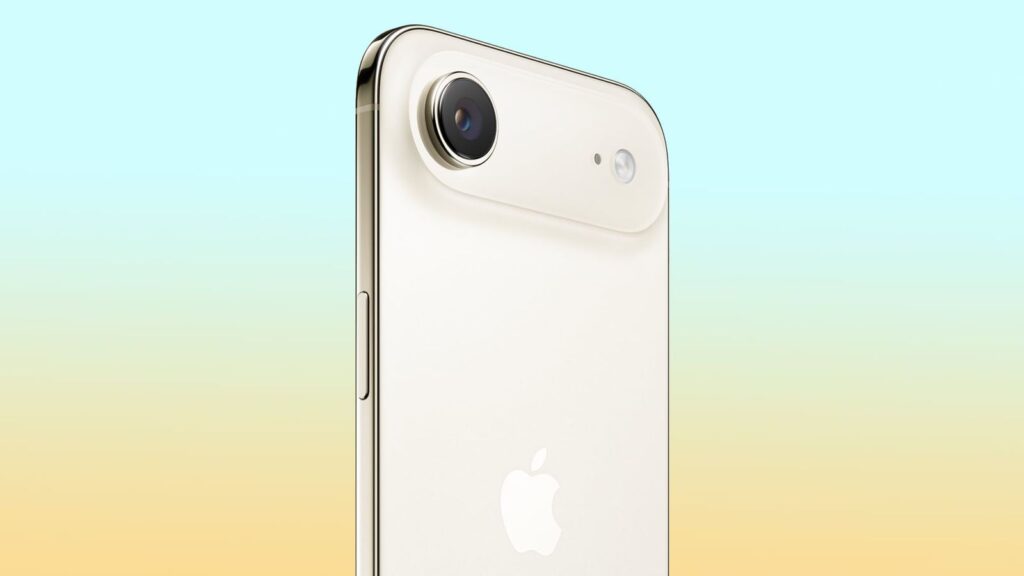
In a striking shift in the mobile phone landscape, several Chinese manufacturers are reconsidering their plans for ultra-thin devices, following disappointing sales of Apple’s latest product, the iPhone Air. Released in September 2023, the iPhone Air has reportedly fallen short of sales expectations, prompting significant cuts in production and adjustments within Apple's supply chains.
Manufacturing giant Foxconn, a key supplier for Apple, has completely halted production lines for the iPhone Air. Similarly, Luxshare, another essential partner in Apple's supply chain, ceased production at the end of last month. The underwhelming performance of the iPhone Air has compelled other major smartphone brands, including Vivo, Oppo, and Xiaomi, to reevaluate their own plans for comparable ultra-thin models. Reports suggest that these companies have either adjusted their strategies or abandoned the pursuit of devices similar to the iPhone Air altogether.
This retrenchment reflects a broader trend in the tech industry where consumer demand is not always aligned with manufacturers' expectations. The iPhone Air was anticipated to be a game-changer, yet its lackluster sales have sent ripples through the mobile phone market. The implications are significant: as consumer interest in thinner devices appears to wane, manufacturers may need to pivot towards different innovations or features that resonate better with buyers.
As Apple grapples with the fallout from the iPhone Air, the company is reportedly going back to the drawing board. Plans for a revised version, tentatively called the iPhone Air 2, have been delayed as Apple focuses on redesigning the device to enhance battery performance and potentially incorporate a second camera. These design changes may be an attempt to address the deficiencies noted in the first iteration.
Beyond the immediate consequences for Apple and its suppliers, this situation highlights a critical aspect of the tech industry: the balance between innovation and market readiness. The iPhone Air was designed to push the envelope in terms of sleekness and portability, but it seems that consumers are still prioritizing functionality and reliability over aesthetics alone.
The future of ultra-thin smartphones now hangs in the balance as manufacturers reassess their strategies. The retreat from developing similar devices suggests that the market may be shifting towards more robust options that offer better performance and features rather than simply thinner profiles. This evolution may also open up discussions about what consumers truly value in their smartphones—an essential consideration for any company hoping to capture their attention in a crowded marketplace.
As developments unfold, it will be crucial for Apple and others in the industry to adapt to these shifting dynamics. The tech landscape is ever-changing, and companies that can pivot effectively will be the ones that thrive in the increasingly competitive arena of mobile devices.
You Won't Believe What Happened in the Magic's First 20 Games – Shocking Stats Inside!

Real Estate Agent Lured to 'Dream Home'—What Happened Next Will Shock You!
You Won't Believe What Legal Nightmares Await Trump After His White House Comeback! Discover the Shocking Details!

Swiss Voters Shockingly Reject 50% Tax on Massive Donations—Are the Rich About to Flee?

Transportation Secretary Sean Duffy Unleashes Shocking Truth About 'Fattening' Airport Snacks – Are You Eating This?

Bitcoin Soars to $91,846! Are You Ready for the Shocking Fed Decision That Could Change Everything?
You might also like: