
Unlock the Secret: How Just 5 Minutes of This ‘Exercise Snack’ Can Add YEARS to Your Life After 65!

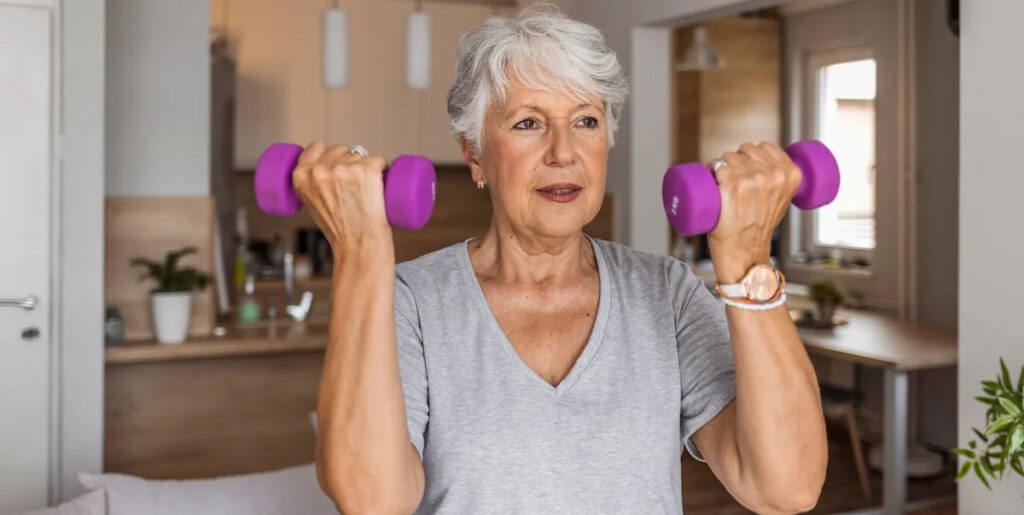
What if adding years to your life only took as long as it takes to pop a bag of popcorn? A new study reveals that improving your longevity might be as simple as incorporating what researchers call an "exercise snack"—short bursts of movement that can significantly enhance your heart and lung health. Even a few minutes of activity could make a considerable difference in your long-term health, especially for older adults.
Led by experts including Aubrey Grant, M.D., a sports cardiologist at MedStar Health, and Stephen Sheehan, C.P.T., a personal trainer at Garage Gym Reviews, the study published in the British Journal of Sports Medicine analyzed data from 11 trials, involving over 400 participants. These individuals engaged in exercise snacks—brief periods of activity lasting five minutes or less—at least twice daily over two weeks. The researchers found that these short sessions considerably improved cardiorespiratory fitness, particularly in physically inactive adults aged 65 and older. This improvement may lead to better oxygen delivery, enhanced endurance, and a lower risk of heart disease, all of which contribute to increased longevity.
'Exercise, in general, remains one of the most powerful tools for preventing chronic disease,' says Dr. Grant. 'Regular movement strengthens the heart muscle, lowers blood pressure, improves cholesterol, enhances insulin sensitivity, and increases lung efficiency.'
According to Dr. Grant, the findings underscore the growing awareness of the dangers of sedentary behavior, which has emerged as a critical risk factor for cardiovascular and metabolic diseases. Aerobic fitness is one of the strongest predictors of both healthspan and lifespan.
Interestingly, the study also highlighted adherence to these routines as a significant factor. "The simplicity and flexibility of the approach make it highly sustainable," Dr. Grant noted. While improvements in muscular strength and body composition were less consistent, the findings suggest that exercise snacks can be an effective entry point for those who may feel overwhelmed by traditional exercise guidelines.
What Are Exercise Snacks?
The term "exercise snacks" might sound appetizing, but these are not edible treats. Instead, they refer to "bite-sized" bursts of physical activity interspersed throughout the day, as opposed to a single, lengthy workout. Dr. Grant explains, "A person might, for instance, climb stairs briskly, do squats or lunges, or take a fast-paced walk for just a few minutes at a time." This model is particularly appealing because many people cite lack of time as their primary barrier to regular exercise. However, these brief sessions can fit easily between meetings, chores, or childcare duties. Over time, these accumulated minutes can result in meaningful improvements in cardiovascular fitness.
Examples of exercise snacks include opting for stairs instead of elevators, performing squats or push-ups during TV commercials, or doing quick intervals of high-knees or jumping jacks while waiting around the house. Sheehan emphasizes the importance of finding small windows throughout the day to incorporate movement, stating, "The idea is to find small windows throughout the day to move."
Exercise snacks have proven especially beneficial for older adults or those struggling to meet the standard exercise recommendation of 150 minutes of moderate-intensity activity each week, as set by the NHS. Dr. Grant notes that this guideline can feel overwhelming for someone who is deconditioned or pressed for time. "Consistency is more important than duration early on," he advises, adding that these micro-workouts can serve as stepping stones toward longer sessions as fitness levels improve.
However, it's crucial to note that while exercise snacks can enhance cardiovascular health, they do not replace the need for strength training. Dr. Grant emphasizes the importance of maintaining healthy bones, joints, muscles, and mobility. He recommends incorporating simple strength exercises, such as squats, lunges, and push-ups, along with resistance bands or dumbbells, a few times a week to create a well-rounded fitness routine.
In summary, Dr. Grant encapsulates the essence of this research: "Exercise doesn't have to mean an hour at the gym. It can be three minutes here and five minutes there. Those small bursts of effort, repeated day after day, can transform your heart and lung health over time."
You Might Also Like
S&P 500 Set to Skyrocket to 8000 Next Year—Are You Prepared to Miss Out?

Is This the Year the Texas Longhorns Shock Everyone and Steal a Playoff Spot? Find Out Why!
Shocking Climate Shifts: 2025's Environmental Crisis Could Impact YOU More Than You Think!

White House's Shocking Move: How a New Website Aims to Expose MEDIA Bias – You Won't Believe the Details!
You Won’t Believe What This Celebrity Is Hiding—The Shocking Truth Behind the Legal Drama!

Unlock Your Smartphone's Hidden Power: 5 Shocking Things Your USB-C Port Can Do That You Never Knew!
You might also like: