
Is Your Dinner at Risk? Shocking Climate Change Facts Show Food Systems on the Brink of Collapse!

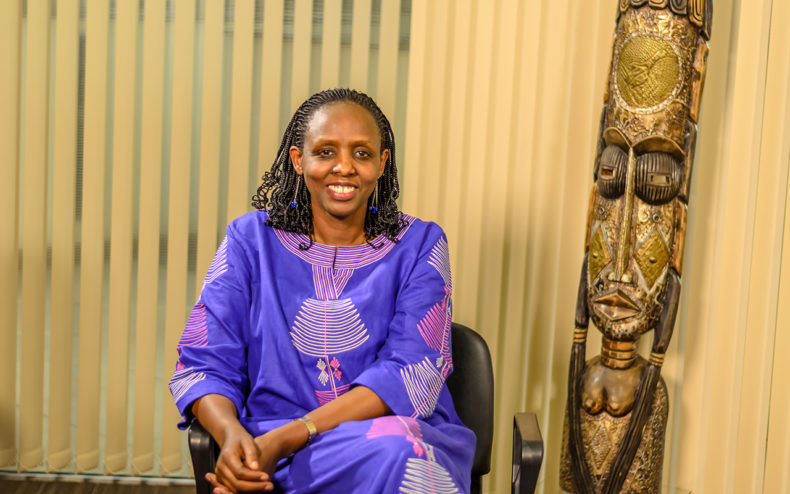
Dr. Agnes Kalibata, the former president of the Alliance for a Green Revolution in Africa (AGRA), recently delivered a compelling lecture as part of the 50th Sir Winston Scott Memorial Lecture, emphasizing the urgent challenges posed by climate change to global food systems. Speaking to an audience organized by the Central Bank of Barbados, she highlighted that small island developing states (SIDS) must brace for increasing instability stemming from climate-related disruptions.
Kalibata pointed out that many regions worldwide are facing extreme weather events that disrupt harvests and contribute to unpredictable food supplies. African farmers, in particular, have been adapting to changing rainfall patterns and prolonged dry spells, which have direct implications for both productivity and livelihoods. “Climate change will continue to strain global food systems,” she asserted, calling attention to the need for proactive measures.
Her discussion centered on the shifting dynamics in global food production, noting that significant disruptions in major food-producing areas can diminish global supply, drive up prices, and trigger ripple effects that impact nations reliant on imports, such as Barbados. “World food markets are increasingly sensitive to shocks, and countries without buffers are most exposed,” she warned, making it clear that reliance on external food sources can significantly heighten vulnerability.
Addressing a common concern that young people are disinterested in agriculture, Kalibata emphasized the importance of financing within the sector. She stated, “It’s only a backyard activity when we can’t harness it. It’s only a backyard thing when we can’t invest in it.” Her remarks highlight a critical opportunity to transform agriculture into a productive sector that engages the youth and offers viable career paths.
As the former agriculture and animal resources minister in Rwanda, Kalibata also noted that Barbados has made policy decisions that could serve as a model for other countries. She cited the nation’s investment in greenhouse production, the implementation of a tax on sugar-sweetened beverages, enhancements in school meal programs, and measures to protect agricultural land.
In a subsequent discussion, Barbados' Minister of Agriculture, Food, and Nutritional Security, Indar Weir, echoed Kalibata's call for resilience and modernization within the agricultural sector. He outlined key initiatives being pursued by his government, including a shift away from open-field farming—an approach increasingly vulnerable to extreme weather conditions. Weir described efforts involving aquaponics, the training of young farmers, and the introduction of greenhouses in schools, alongside innovative vertical farming systems developed with international partners. He emphasized that these initiatives are already yielding early gains while underscoring the necessity for private-sector involvement and a focus on value-added products.
Central Bank Governor Dr. Kevin Greenidge wrapped up the discussion by linking food security and climate resilience to broader economic stability and quality of life. He remarked, “They affect everything from household budgets and public health to trade, tourism, and social equity.” Dr. Greenidge's insights underscored the interconnectedness of climate risks and financial stability, asserting that climate uncertainties can rapidly escalate into financial risks that adversely impact production, investment, and long-term growth. He pointed to recent events that vividly illustrate this, noting the unpredictable weather patterns—such as droughts followed by heavy rainfall—that have recently influenced agricultural outcomes.
The discourse at this memorial lecture serves as a crucial reminder of the challenges facing small island nations in the wake of climate change. As Dr. Kalibata and other leaders advocate for innovative solutions and systemic changes, it becomes increasingly clear that strategic investments in agriculture and sustainability are essential for safeguarding food security and economic stability in the years to come.
Is the Oppo Find X9 Really Worth It? Shocking SoC Issues Could Cost You Hundreds!

Is Your Thesis Still Relevant? Shocking Truth Revealed by Top Community Expert! Don't Miss Out!

You Won't Believe What Alien Fury and Ping-Pong Madness Are Coming to Your Screen This Winter!

Could AI Personal Trainers Help You Lose 15 Pounds Fast? Discover the Shocking Truth!

The Shocking Rivalry: How to Catch Clemson vs South Carolina LIVE – Don't Miss This Epic Showdown!

You Won't Believe What These 10 Vineland Mansions Sold For – #3 Will Shock You!
You might also like: