
Could AI Personal Trainers Help You Lose 15 Pounds Fast? Discover the Shocking Truth!

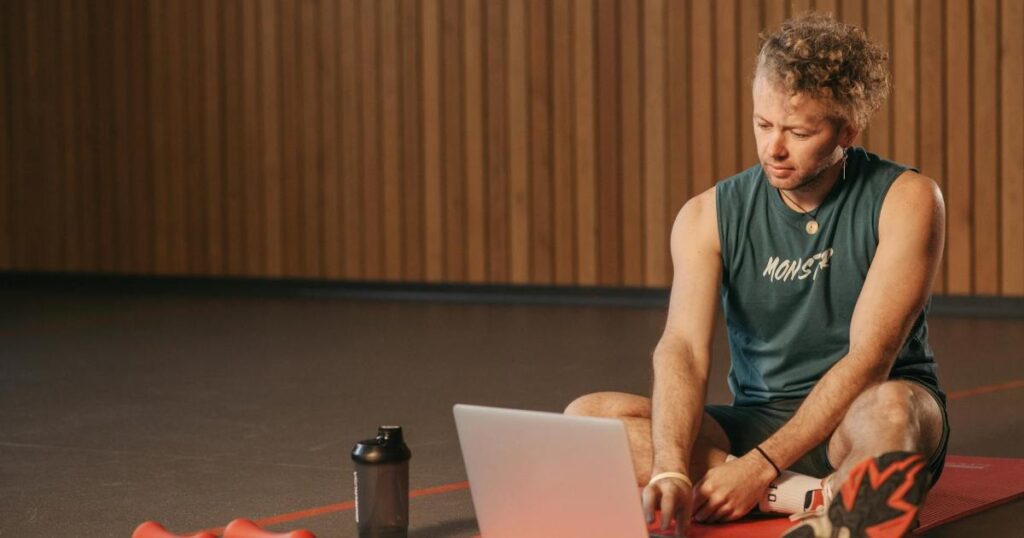
In recent years, the fitness landscape has shifted dramatically, with traditional personal trainers increasingly sharing space with AI-powered fitness apps. For many, booking sessions at the gym and hoping for compatibility with a trainer’s coaching style has become a thing of the past. Instead, apps like Freeletics and Fitbod are appearing on smartphones, offering the promise of customized workouts at the touch of a button. Having worked as a personal trainer, I’ve encountered these emerging platforms that reach out for insights into their algorithms and functionality.
The rise of AI in fitness inspires a blend of curiosity and skepticism. Can an algorithm truly replace the nuanced guidance of a human trainer? With this question in mind, let’s delve into how AI is changing the way people work out and what that means for fitness enthusiasts across the country.
📰 Table of Contents
How AI is Transforming Workouts
AI-powered personal trainers are revolutionizing the workout experience, making it more accessible and tailored to individual needs. These innovative apps analyze users’ past performances, available equipment, and specific fitness goals to generate personalized workout plans almost instantly. Unlike static online programs, these systems adapt as users log workouts—offering progression without the guesswork. Some platforms even integrate data from wearables like the Apple Watch or WHOOP, adjusting training intensity based on real-time heart rate or recovery scores.
This evolution in fitness culture is noteworthy. Individuals who may have never set foot in a gym are now developing workout routines with nothing more than their smartphones. Fitness is shifting away from face-to-face coaching towards a more algorithm-driven guidance model.
Benefits of AI Training
There are three standout advantages to utilizing AI in your training regimen: personalization, consistency, and cost savings. With platforms like Fitbod, workouts evolve in real time, adjusting based on factors such as soreness, time constraints, or readiness for a challenge. Freeletics employs machine learning to scale workout intensity, helping users avoid plateaus, a feature that was once exclusive to expensive one-on-one coaching.
AI also offers relentless consistency. Your virtual trainer doesn't cancel sessions, lose focus, or forget your last workout. This can be particularly beneficial for beginners, helping to lower the mental barriers that often hinder the start of a fitness journey. Cost is another significant factor: many AI apps charge less than a single in-person session per month, making them an attractive option for those looking to improve their fitness without overspending. For individuals seeking accountability and structured guidance, AI trainers provide unparalleled value.
Limitations of AI Fitness Coaching
However, despite its many strengths, AI training is not without its limitations. Algorithms can analyze performance metrics but lack the human touch—specifically, the ability to observe form or recognize subtle cues of fatigue and frustration. While some apps feature video demonstrations or motion tracking, they cannot replace the real-time corrections a human trainer can offer, potentially increasing the risk of injury, especially for novices or those tackling complex lifts.
Motivation is another area where AI falls short. An app might send reminders to work out, but it cannot replicate the energy or encouragement a trainer provides during those last few challenging reps. Additionally, the effectiveness of AI is heavily dependent on the accuracy of the data it receives; if users fail to log workouts or misreport their progress, the algorithm may generate flawed plans that could lead users off track.
Striking a Balance: AI and Human Coaching
Given these pros and cons, a blended approach may be the most effective solution. Many individuals are turning to AI apps for everyday structure while checking in with human trainers for form corrections and goal-setting discussions. This allows users to benefit from both daily coaching through the app and the nuanced guidance of a human expert. As noted by Ash James, a director at the CSP, “AI tools such as ChatGPT are trained on massive datasets … but they do not ‘know’ facts or have clinical judgment in the way a fitness or healthcare professional does. While they can be very useful, they sometimes need human input.”
So, who should consider using an AI trainer? If you’re self-motivated, budget-conscious, and pursuing general fitness or endurance goals, an AI trainer could serve you well. However, those aiming for specific performance milestones, learning advanced lifting techniques, or in need of extra accountability will still find human expertise irreplaceable.
Frequently Asked Questions
What is the best AI personal trainer?
There isn’t a single “best” AI personal trainer—it varies based on individual goals and preferences. Fitbod excels in adaptive strength training routines, Freeletics is ideal for bodyweight workouts, and Future combines AI with real human coaching. The optimal choice is the app that aligns with your lifestyle and helps maintain consistency.
How much does an AI trainer cost?
AI trainers are typically more affordable than in-person coaching, with most apps ranging from $10 to $30 per month. Compared to personal training sessions that can cost between $50 and $100 each, AI trainers offer structured, adaptable guidance at a fraction of the price.
Can ChatGPT serve as a personal trainer?
While ChatGPT can provide workout ideas and fitness tips, it is not a certified personal trainer and relies on internet-sourced information, which could be inaccurate. For optimal results, use ChatGPT as a supplementary tool alongside professional coaching or fitness apps.
As fitness technology continues to evolve, understanding the strengths and limitations of AI-powered trainers is crucial. For those seeking convenience, affordability, and personalized guidance, these apps represent a significant leap forward. However, the irreplaceable human element remains essential for many, especially in a world where wellness and fitness are more critical than ever.
The Shocking Rivalry: How to Catch Clemson vs South Carolina LIVE – Don't Miss This Epic Showdown!

You Won't Believe What These 10 Vineland Mansions Sold For – #3 Will Shock You!

Dolphins vs. Saints: Will Tua's Shocking Injury Change Everything in This Must-Watch Clash?

FDA’s Shocking Call for ‘Introspection’ After 10 Kids' Deaths Linked to COVID Vaccine – What’s Next?

You Won't Believe the Shocking Changes in the White House – What They Mean for America!
Fitbit's Hottest Fitness Tracker Hits a Shocking 70% Off—Will You Regret Missing This Deal?
You might also like: