
Is Your ‘Healthy’ Snack Bar Hiding a Shocking 20g of Sugar? Discover the Hidden Dangers Now!

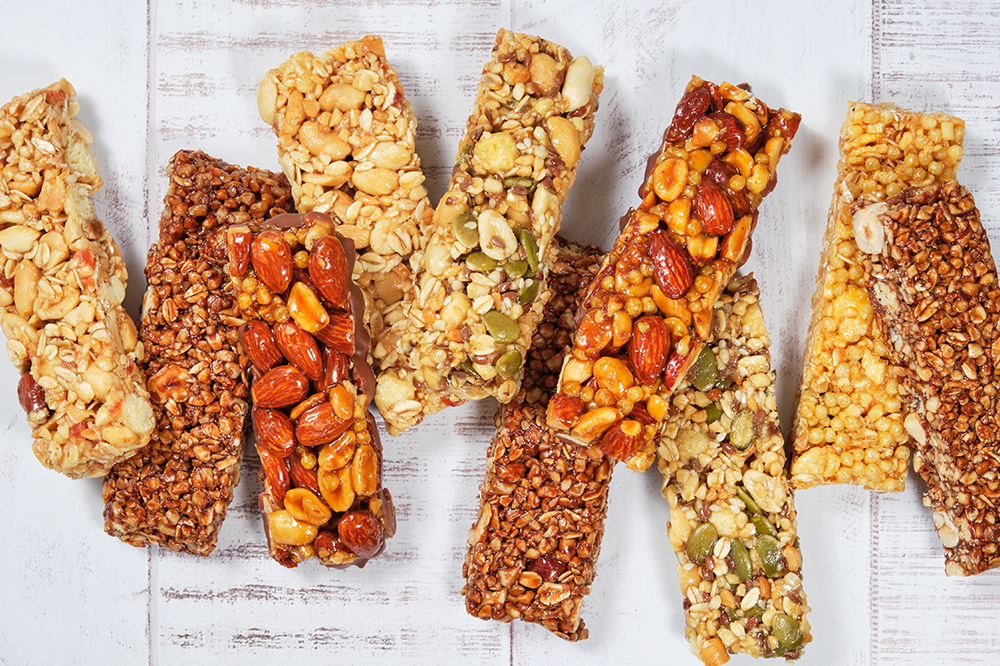
Snack bars marketed as healthy alternatives may not be as nutritious as they claim, according to a new study by the campaign group Action on Salt and Sugar. The organization surveyed 458 snack bars sold across ten major retailers and uncovered that many products prominently feature health claims, despite their classifications as high in sugar or fat. This raises concerns for consumers looking to make healthier choices.
In the analysis, more than half (53%) of the snack bars carried a “protein” claim, while 18% were labeled as “high in fibre.” Additionally, one-quarter of the bars were marked as “low sugar” or “no added sugar.” However, the findings reveal a troubling discrepancy: among the bars boasting a “high-fibre” claim, 31% were also classified as high in sugar according to the UK’s voluntary traffic light labeling scheme. This indicates that selective marketing can create a misleading “health halo” around certain products.
Overall, the study found that 37% of snack bars sold in supermarkets would be classified as high in sugar, and 55% were high in saturated fat. Alarmingly, almost two-thirds (64%) of the products would be considered “less healthy” based on the UK Government’s nutrient profiling model. This means that they would not qualify for promotion in-store or through advertisements on television or online platforms.
The charity emphasized that the results demonstrate the inadequacy of the UK’s reliance on voluntary action for product reformulation and front-of-pack labeling, which has failed to produce significant public health benefits. Nourhan Barakat, a nutritionist at Action on Salt and Sugar, remarked, “Consumers deserve honesty from food businesses. Claims like ‘natural ingredients,’ ‘high-fibre,’ and ‘high-protein’ can be deceptive when products are still high in sugar and saturated fat. It’s unacceptable that an average bar provides nearly one-third of a child’s daily sugar limit.”
In light of these findings, Action on Salt and Sugar has proposed several recommendations aimed at improving public health. The organization is calling for targeted levies on salt and sugar in food products to incentivize reformulation and encourage consumers to choose healthier options. Furthermore, large food and drink companies should be mandated to disclose data on the healthiness of their sales while setting clear, time-bound reduction targets. The charity also advocates for mandatory front-of-pack nutrition labeling to enhance transparency for consumers.
The study's results come at a crucial time when consumer awareness regarding nutrition and health is higher than ever. As more people seek to improve their diets, the prevalence of misleading marketing tactics can lead to unintended health consequences. Consumers, particularly parents, need to be vigilant and informed when selecting snacks for themselves and their children.
This report serves as a wake-up call for both consumers and manufacturers alike. It underscores the necessity for clearer regulations in food labeling and marketing to prevent confusion and promote healthier eating habits. As the conversation around nutritional transparency continues to evolve, the onus is on both consumers and companies to prioritize health and honesty in the foods we consume.
Bitcoin's Jaw-Dropping $1 Billion FOMO Surge: Are You Missing Out on This Epic Moment?
FDA’s Shocking Report: 10 Kids Dead After COVID Vaccine—What You Need to Know NOW!

BCCI's Shocking Ultimatum to Rohit Sharma: Will He Risk His Career Over Fitness?

You Won't Believe What This Former Teacher Did to Revolutionize Tech—And Why It Could Change Your Life!

Is Your Favorite Snack Sabotaging Family Meals? Shocking Stats Reveal the Alarming Truth!

Hilary Farr Shocking Health Secret EXPOSED: You Won’t Believe What She Revealed!
You might also like: