
New Study Reveals Shocking Truth: COVID-19 Is 5x More Dangerous for Kids Than the Vaccine!

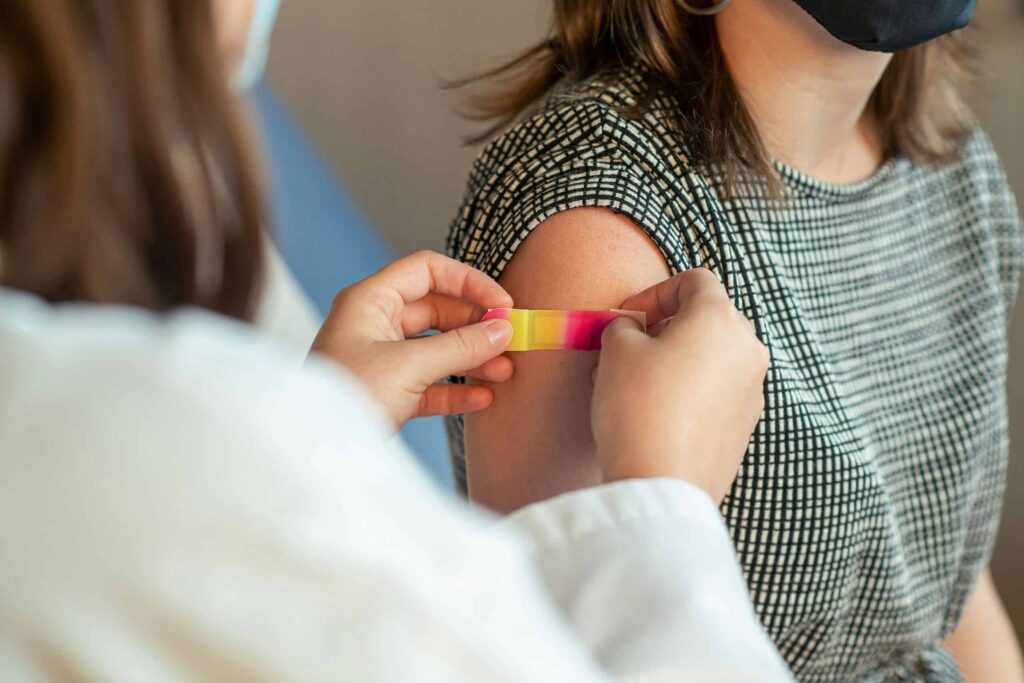
Amid ongoing debates surrounding the COVID-19 vaccine for children, a comprehensive new study from the University of Cambridge in the United Kingdom has provided clarity. The research analyzed the health records of nearly 13.9 million children and young people in England, concluding that the benefits of vaccination far outweigh the risks associated with both the vaccine and the virus itself.
The study, published in The Lancet, found that while there is a very rare risk of heart inflammation from the vaccine, it pales in comparison to the dangers posed by COVID-19. Children infected with the virus face an increased risk of severe complications, including blood clots, heart issues, and persistent inflammation for up to a year following infection. This data effectively counters the narrative that COVID-19 is merely a “bad flu,” revealing the serious long-term health implications that can affect a significant minority of infected children.
The Risks: Virus vs. Vaccine
The researchers examined data collected from January 2020 to March 2022, specifically targeting vascular events and inflammatory conditions linked to COVID-19. It was discovered that the virus triggers a cascade of harmful effects throughout the body, affecting not just the respiratory system but inflaming blood vessels as well. Following a COVID-19 diagnosis, the study noted that the likelihood of serious complications increases dramatically, particularly for conditions such as venous thromboembolism (blood clots), low platelet counts, and heart inflammation.
In terms of immediate concerns, the study also assessed the vaccine, focusing on the Pfizer-BioNTech shot administered to over 3.4 million children and young people. While there was a noted increase in the risk of myocarditis (inflammation of the heart muscle) and pericarditis (inflammation of the heart lining) shortly after vaccination—primarily within four weeks—these risks were significantly lower than those posed by COVID-19 itself. After this initial risk period, there was no evidence of long-term complications.
To put it into perspective, the authors of the study emphasized that the risk of heart inflammation following vaccination is substantially lower than the risk associated with infection. They pointedly stated, “The risk following vaccination is substantially lower than the risk following infection.”
U.S. Health Secretary Robert F. Kennedy Jr. has voiced opposition to vaccinating children against COVID-19, but this new research indicates that his stance is not scientifically supported. The findings shed light on the importance of understanding relative risk management, especially when it comes to protecting the health of children.
The overarching lesson from this study is akin to buckling a seatbelt before driving; the vaccine acts as a protective measure in an unpredictable environment. While the vaccine may cause temporary discomfort for some, the risks associated with the virus itself are far more consequential.
This groundbreaking research emphasizes the significance of data-driven decision-making in public health, particularly as discussions around vaccination continue. Ultimately, the study reinforces the notion that the choice to vaccinate is a proactive step toward safeguarding children against the unpredictable dangers of COVID-19.
Shocking 12-Vote Margin Sparks Unprecedented Recount Chaos in Dalton School Board Election!

Why I Was Shocked to Discover I Had Only 2 REAL Friends—And How It Changed Everything!

Honduras Elections on the Brink: Will Controversial Candidates Ignite Chaos? Discover the Shocking Truth!

7 Shocking Eating Habits That Reveal Your Childhood Class – Are You Missing Out?
Stanford's Shocking Move: Why Ex-QB Tavita Pritchard's Hiring Could Change Everything!

$15K Scholarship for Utah Founders: Are You Missing Out on Your Startup Dream?
You might also like: