
New WHO Findings Show Air Pollution Could Be Deadlier Than You Think—Are You at Risk?

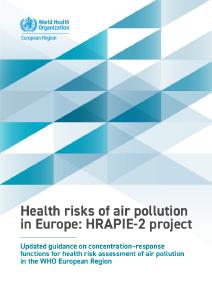
Air pollution stands as the leading environmental health risk, both regionally and globally, impacting life expectancy and contributing to a plethora of noncommunicable diseases. A recent update to the 2013 Health Risks of Air Pollution in Europe report by the World Health Organization (WHO) highlights the urgent need for effective health risk assessments to quantify these effects and inform clean air and climate change policies. This updated guidance aims to provide a clearer understanding of the concentration-response functions associated with key pollutants such as particulate matter, ozone, and nitrogen dioxide, as well as their health implications.
The document synthesizes comprehensive systematic reviews and evidence, offering valuable guidance for assessing a wide range of mortality and morbidity outcomes. This enables a more holistic view of the health impacts linked to air pollution, particularly as they relate to varying exposure durations. Although primarily intended for the WHO European Region, the findings and recommendations hold broader relevance for other WHO regions, underscoring the global nature of air quality issues.
Understanding the Impact of Air Quality
The WHO’s ongoing efforts through its Air Quality, Energy and Health Unit are crucial in supporting member states. By enhancing their capacity to evaluate both the health effects and economic costs of air pollution, WHO aims to empower nations to take meaningful action. The Budapest Declaration on Environment and Health serves as a cornerstone for these initiatives, emphasizing the need for collaborative approaches to tackle one of the most pressing environmental health challenges of our time.
Research shows that air pollution is not merely an environmental concern, but a significant public health issue. Studies have linked various pollutants to increased rates of respiratory diseases, cardiovascular conditions, and premature deaths. For instance, exposure to high levels of particulate matter has been tied to severe outcomes in vulnerable populations, including children and the elderly. With the latest updates from WHO, health officials and policymakers are better equipped to navigate the complex intersections of air quality, public health, and climate change.
As air quality continues to deteriorate in many urban areas across the globe, the call for evidence-informed policy becomes increasingly urgent. The WHO's updated guidance is expected to play a critical role in shaping effective legislation and initiatives aimed at reducing air pollution. This, in turn, could lead to improved health outcomes and enhanced quality of life for millions of people.
In conclusion, the WHO’s renewed focus on the health risks associated with air pollution is not only timely but essential. By providing actionable insights and recommendations, the organization empowers nations to combat air quality issues effectively. As the world grapples with the repercussions of climate change and environmental degradation, the need for comprehensive, evidence-based policies has never been more critical. Addressing the challenges posed by air pollution has the potential not only to save lives but also to foster a healthier future for generations to come.
Shockwaves in St. Vincent: 16-Year Reign Ends in Stunning Election Upset! What Happens Next?

Governor Kelly's Shocking Call: Only 5 Days Left to Apply for the Controversial Judge Position!

Why I Spent 20 Years Watching Politicians Fail—The Shocking Truth You Need to Know!

Starfighter's Shocking Twist: Why John Williams Won't Score This Epic Adventure!

Luka Doncic's Shocking Complaints Spark an Unexpected Lakers Shake-Up—Will This Change Cost Them the Game?

You Won't Believe How Jordan Love's Shocking Decision Transformed the Game Against the Lions!
You might also like: