
Colombia’s Petro Faces $10 Million Fine—Did His Campaign Just Break the Law?

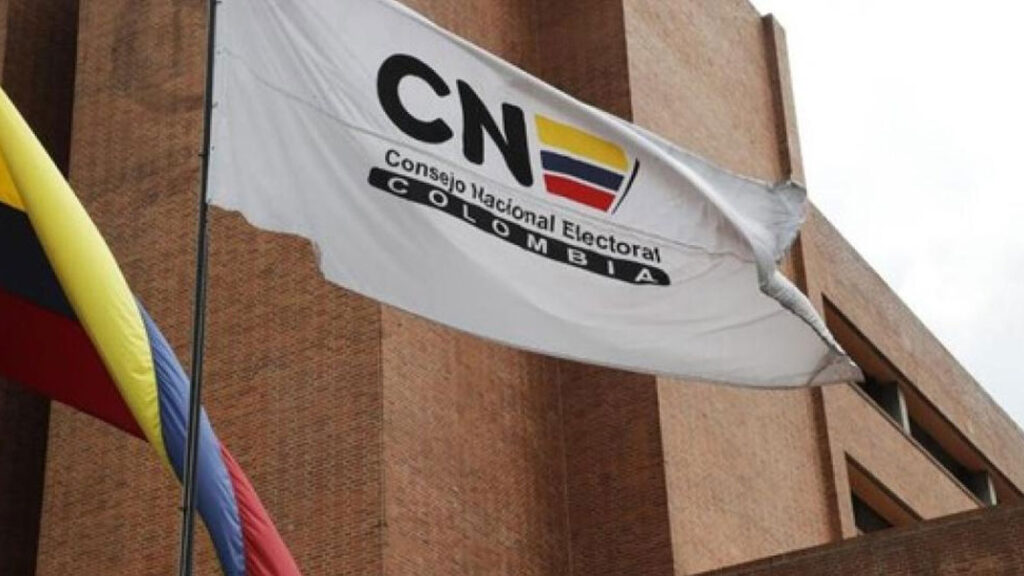
Colombia's electoral landscape has been shaken by a recent ruling from the country's National Electoral Council (CNE), which has sanctioned President Gustavo Petro's campaign for exceeding spending limits. In a decision passed with six votes in favor and three against, the CNE concluded that Petro's campaign violated financial regulations by a significant margin of $1.4 million (COP $5.3 billion). The ruling also highlighted that some of the campaign's funding sources, such as the Ecopetrol Workers’ Union, were prohibited.
This ruling marks a pivotal moment in Colombian politics, as it is the first time a presidential campaign has faced such sanctions in the nation's history. However, the context surrounding this ruling raises questions about the independence of the CNE, as the majority of magistrates who supported the sanction represent traditional political parties.
- Magistrates voting in favor:
- Alvaro Hernan Prada (Democratic Center)
- Benjamin Ortiz (Liberal Party)
- Altus Baquero (Liberal Party)
- Alfonso Campo (Conservative Party)
- Maritza Martinez (U Party)
- Majer Abushihab (Alternate judge)
- Magistrates voting against:
- Cristian Quiroz (Green Alliance)
- Fabiola Marquez (Historic Pact)
- Jorge Acuña (Alternate judge)
In response to the ruling, Minister of Interior Armando Benedetti claimed that the CNE's decision was politically motivated rather than judicial. "The CNE has always been adverse to the Government, to President Gustavo Petro, and to the Historic Pact," Benedetti said, suggesting that the ruling constitutes a political attack in the midst of an active campaign season. His assertion reflects the prevailing sentiment among Petro's supporters, who view the CNE's actions as biased.
The sanctions will impose fines of $156,000 (COP $583 million) on both Petro's party, Colombia Humana, and the Patriotic Union. The total fines handed down amount to $1.59 million (COP $5.9 billion). Key individuals sanctioned include:
- Ricardo Roa (Campaign manager and current president of Ecopetrol)
- Maria Lucy Soto (Auditor)
- Lucy Mogollon (Treasurer)
This ruling is notable not just for its financial implications but also for the broader context of Colombia's political system. The CNE has previously been criticized for its selective enforcement of campaign finance laws. In past cases where evidence of funding violations was presented, the Council did not act due to procedural deadlines lapsing. This inconsistency raises questions about the fairness and transparency of electoral oversight in the country.
Furthermore, the Constitutional Court ruled in 2021 that the CNE violated Petro's constitutional rights by refusing to recognize Colombia Humana as an official party. This history of contention illustrates the ongoing tensions between the current administration and established political entities in Colombia.
As of now, the parties sanctioned have the option to appeal the CNE's decision. If the appeal does not yield a favorable outcome, they may seek a review from the Council of State. The unfolding narrative around this ruling underscores not only the challenges facing Petro's administration but also the complex interplay of power within Colombian politics.
This situation not only affects the immediate political landscape but also has long-lasting implications for how electoral processes are conducted in Colombia. As the nation grapples with issues of governance, transparency, and political integrity, the outcome of this case will be closely watched by both domestic and international observers.
You Won't Believe Who Analysts Say Sanders Mirrors – This Former Browns QB Will Shock You!

You Won't Believe Which Star Players Could Transform the Game in Charlotte This Weekend!
Is Bitcoin's Sudden Price Surge a Sign of an Upcoming Crash? Discover What Experts Fear!

You Won't Believe How to Stream the Ole Miss vs. Mississippi State Showdown—Time Is Running Out!

How I Overcame Severe Arthritis to Leg Press 265lbs at 68—You Won't Believe My Secrets!

Vaccination Rates Soar: Are We Ignoring a Hidden Measles Crisis? You Won't Believe the Numbers!
You might also like: