
Measles Deaths Plummeted 88%, Yet Why Are Cases Skyrocketing Again? Find Out Now!

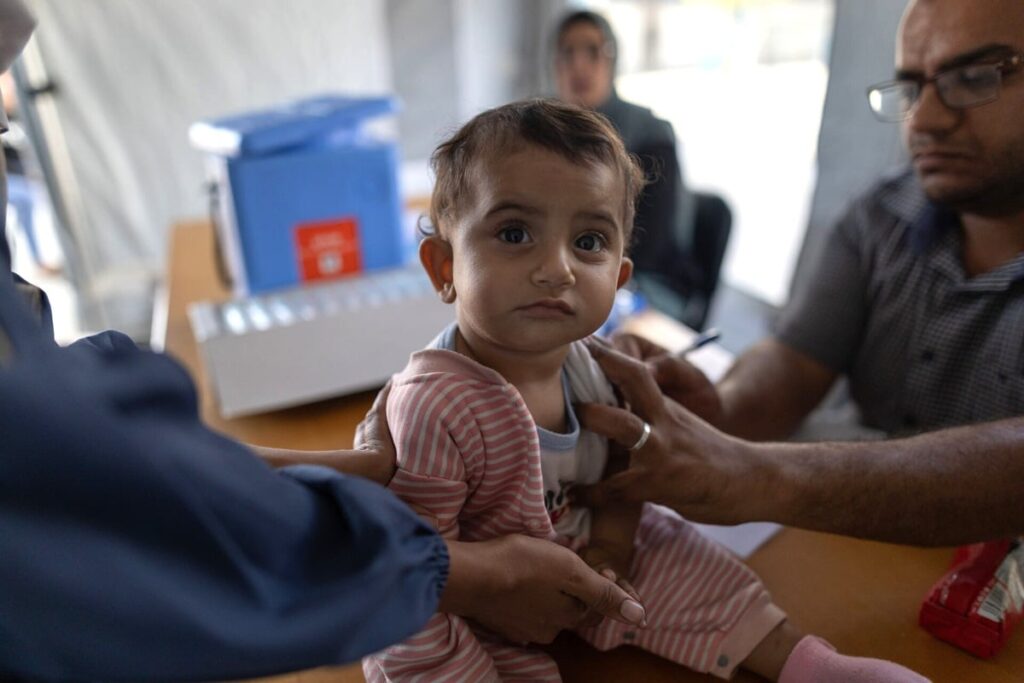
Global immunization initiatives have achieved remarkable progress in reducing measles deaths, with a reported 88% drop between 2000 and 2024, according to the latest data from the World Health Organization (WHO). This translates to nearly 59 million lives saved since the start of the century. However, the fight against this highly contagious virus is far from over. In 2024, an estimated 95,000 people, predominantly children under the age of five, succumbed to measles. While this number represents one of the lowest annual death tolls since 2000, it serves as a stark reminder that every life lost to a preventable disease is unacceptable.
Despite the decline in mortality, measles infections are on the rise globally, with approximately 11 million cases reported in 2024—nearly 800,000 more than pre-pandemic levels in 2019. "Measles is the world's most contagious virus, and these data show once again how it will exploit any gap in our collective defenses against it," stated Dr. Tedros Adhanom Ghebreyesus, WHO Director-General. He emphasized that vaccination of every child in every community is crucial to avoiding costly outbreaks and saving lives.
The WHO regions have shown varying trends in measles cases. The Eastern Mediterranean Region saw cases increase by 86%, while the European Region experienced a 47% rise, and the South-East Asian Region reported a 42% increase compared to 2019. In contrast, the African Region witnessed a 40% decline in cases and a 50% decline in deaths during this period, largely due to improved immunization coverage.
Immunization Coverage Still Lags
In 2024, an estimated 84% of children received their first dose of the measles vaccine, and only 76% received the second dose, according to estimates from WHO and UNICEF. While this marks a slight improvement with 2 million more children immunized than the previous year, it falls short of the 95% coverage rate recommended by WHO to effectively halt transmission and safeguard communities from outbreaks. Alarmingly, more than 30 million children remain under-protected against measles, with three-quarters of them residing in the African and Eastern Mediterranean regions, often in conflict-affected or vulnerable settings.
The recently released Immunization Agenda 2030 (IA2030) Mid-Term Review underscores that measles is frequently the first disease to resurge when vaccination coverage declines. The ongoing outbreaks of measles highlight existing weaknesses in immunization programs globally and jeopardize the progress made towards IA2030 targets, including the ultimate goal of measles elimination.
In 2024, 59 countries reported large or disruptive measles outbreaks—nearly triple the number reported in 2021 and the highest since the onset of the COVID-19 pandemic. All regions, with the exception of the Americas, faced at least one country experiencing a large outbreak. However, funding cuts affecting the Global Measles and Rubella Laboratory Network (GMRLN) and country immunization programs pose significant challenges ahead. These financial shortfalls risk widening immunity gaps and exacerbating the potential for additional outbreaks.
To achieve a world free of measles, strong political commitment and sustained investment in immunization programs are essential. The IA2030 Mid-Term Review calls for countries and partners to enhance routine immunization, surveillance, and rapid outbreak response capabilities, as well as to deliver high-quality campaigns where routine immunization efforts fall short.
The ultimate goal of eliminating measles remains a distant reality. As of the end of 2024, only 81 countries, or 42%, had successfully eliminated measles—an increase of just three countries since before the pandemic. Recent successes have been observed, with the Pacific island countries verified in September 2025, and Cabo Verde, Mauritius, and Seychelles recognized as the first in the WHO African Region to achieve measles elimination. This brings the total number of countries that have eliminated measles to 96.
The Region of the Americas, previously verified for measles elimination, lost this status again in November 2025 due to ongoing transmission in Canada. The resurgence of measles, even in high-income countries that once eradicated it, highlights the critical importance of maintaining vaccination coverage above the 95% threshold to prevent outbreaks.
Ultimately, achieving measles elimination will require a united front—political will, robust funding, and a commitment to immunizing every child. As global health systems continue to grapple with the remnants of the COVID-19 pandemic, the fight against measles and the goal of a measles-free world must remain a public health priority.
Is the iPhone Air's Shocking Failure the Final Nail in the Coffin for Ultra-Thin Xiaomi and Vivo Phones?
Your Browser is Outdated: Discover 5 Shocking Risks You're Ignoring Right Now!

This 10p drink could obliterate your snack cravings within MINUTES—find out why experts are stunned!

Lakers vs. Mavs: Don’t Miss the SHOCKING Black Friday Showdown – What Channel to Watch?

Why Are Americans Spending 50% More on Fitness? The Shocking Truth Behind This New Status Symbol!

10 Surprising Foods You Must Avoid NOW to Crush Cravings—#6 Will Shock You!
You might also like: