
46-Year-Old Hubei Entrepreneur Makes Shocking Comeback—Could This 1M Baby Product Sale Be His Ticket to Hong Kong Fortune?

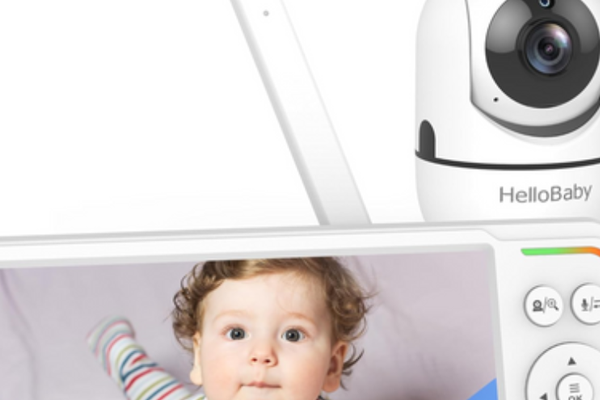
In an era where parenting technology is booming, **Juzhi Technology** has made a remarkable name for itself in the baby monitor market. The company, which doesn’t rely on WiFi or complex apps, has sold over one million units of its **HelloBaby** brand baby monitor on **Amazon** in just one year. This product has become a cornerstone of the company’s financial success, comprising an impressive **97%** of its total revenue. Now, with plans for an initial public offering (IPO), Juzhi aims to further solidify its position in the market.
Founded in **2005** and headquartered in **Huanggang, Hubei**, Juzhi Technology is gearing up for its second attempt to submit an IPO prospectus to the **Hong Kong Stock Exchange** by mid-2025. This follows the expiration of its first submission earlier this year in **January**. A recent report by **Frost & Sullivan** highlights Juzhi’s strong market position, noting that it ranks within the top three for baby monitor exports to the **United States**, and leads the online export market with a notable **38.7%** share.
The story of Juzhi Technology reflects the rapid ascent of Chinese cross-border e-commerce companies, leveraging a model built on niche products and favorable platform conditions. From **2022 to 2024**, the company saw its revenue skyrocket from **190 million yuan** to **462 million yuan**, with net profit climbing from **34.82 million yuan** to **94.69 million yuan**. Despite this growth, a troubling trend emerged in the first four months of **2025**, where revenue increased by **6.4%** while net profit decreased by **13.7%**. This paradox of "increasing revenue but not profit" raises questions about the sustainability of its growth.
The Unique Selling Proposition
Juzhi Technology's success can largely be attributed to its unique approach to product design. Unlike many competitors, its monitors do not require **WiFi** and do not come with a supporting app. Instead, they utilize a proprietary **2.4GHz wireless audio-video transmission technology**, allowing a direct connection between the monitor and display. This approach has resonated with American parents concerned about privacy and ease of use.
Pricing has also played a crucial role in Juzhi’s market penetration. The average price of its **HelloBaby** monitors hovers around **$60**, significantly undercutting competitors like **Nanit**, which retails for over **$300**. This strategic pricing has allowed Juzhi to tap into the American mass market effectively. The company's core product accounted for **97%** of its revenue by **2024**, demonstrating an almost singular reliance on baby monitors.
According to Frost & Sullivan, the global baby monitor market is set for robust growth, with sales expected to surge from **18.7 million units** in **2023** to **27.6 million units** by **2028**, with the North American market projected to contribute **40%** of this growth. Juzhi’s entry into the market occurred at a pivotal moment, and its rapid product iteration—launching **98 new models** from **2022 to 2024**—has kept it in a leading competitive position.
However, despite its achievements, Juzhi Technology faces significant challenges. The company's heavy reliance on a single product poses a considerable risk, as the baby monitor continues to dominate its revenue structure. The percentage of revenue from baby monitors climbed from **91.5%** in **2022** to **97%** in **2024**. Such concentration makes the company vulnerable in the face of market shifts.
Additionally, the global decline in birth rates presents a looming challenge. Data from the **World Bank** indicates that the global birth rate has decreased from **17.1‰** in **2020** to **16.3‰** in **2023**, with projections suggesting a further drop to **15.6‰** by **2030**. In the **United States**, where Juzhi generates **75.5%** of its revenue, the birth rate similarly fell from **10.9‰** in **2020** to **10.7‰** in **2023**. As family sizes shrink, the potential customer base for baby monitors constricts, further heightening risk.
Regional market concentration adds another layer of risk; **over 88%** of Juzhi's revenue comes from overseas, predominantly from the U.S. market. This reliance exposes the company to geopolitical and trade policy risks, particularly in light of potential American trade restrictions that could adversely affect profitability and operational performance. Moreover, the company's dependence on **Amazon**—where **95.6%** of its revenue was generated by early **2024**—has raised alarms about vulnerability to platform policy changes, increased competition, and rising marketing costs.
As Juzhi Technology prepares for its IPO, the stakes are high. Investors will be looking for signs of sustainable growth beyond its current single-product business model. The company must demonstrate its capacity for continuous innovation and diversification to maintain investor confidence. Without a clear strategy for expanding its product line or entering new markets, Juzhi’s long-term valuation in the volatile capital market could be jeopardized.
In conclusion, Juzhi Technology’s journey illustrates not only the potential for success in the global baby monitor market but also the inherent risks of a highly concentrated business model. As it stands on the cusp of an IPO, the company faces critical questions about its future growth trajectory and its ability to adapt to an evolving market landscape.
Shocking Election: Adolf Hitler's Namesake Wins Again—What This Means for 10 Million Citizens!

Is the Social Media Ban DESTROYING the Future of 60% of African Diaspora Youth? Shocking Consequences Revealed!

You Won't Believe What Happened When I Tried G FUEL DAN DA DAN—Shocking Results Inside!

Warriors' Stephen Curry OUT for 1 Week! What This Shocking Injury Means for the Playoffs!

Is Essex Property Trust's Shocking 2023 Decline the Sign of a West Coast Real Estate Crash?

You Won’t Believe the SHOCKING Turn of Events in the Chiefs vs. Cowboys 2025 Thanksgiving Showdown!
You might also like: