
Trump's Election Interference Case DISMISSED: What This Shocking Twist Means for 2024!

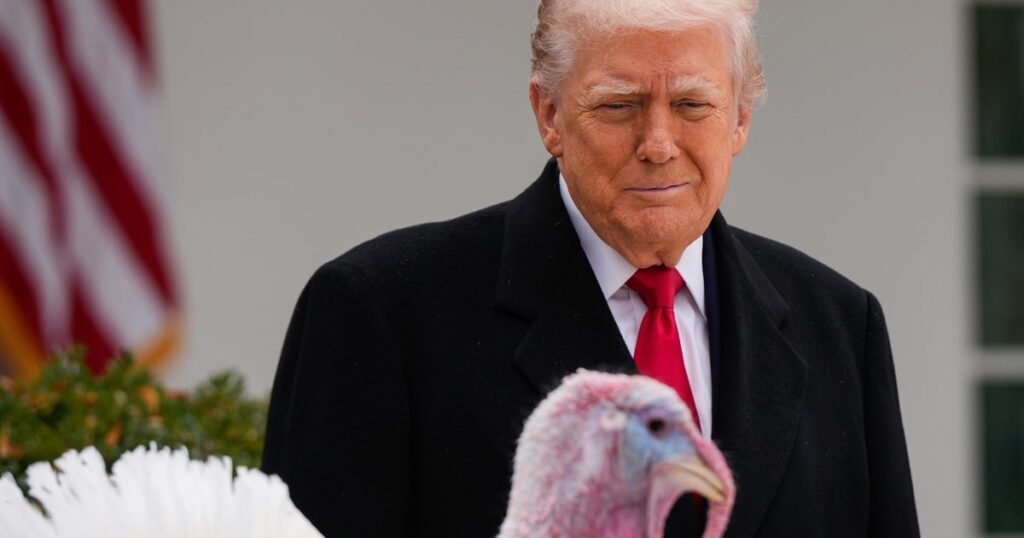
In a significant turn of events, Georgia's criminal case against former President Donald Trump and 18 of his allies, accused of conspiring to overturn the 2020 election results, has officially come to a close. On Wednesday, special prosecutor Pete Skandalakis requested a Fulton County judge to dismiss the sprawling racketeering indictment, which Judge Scott McAfee granted almost immediately. This ruling marks the end of a politically charged legal saga that has shaped Georgia's political landscape for over two years.
In his 23-page filing for dismissal, Skandalakis stated, "In my professional judgment, the citizens of Georgia are not served by pursuing this case in full for another five to ten years." This conclusion reflects a pragmatic assessment of the viability of the prosecution.
Several factors contributed to the decision to drop the case:
- Prosecutors indicated there was no viable way to compel a sitting president to stand trial in Georgia.
- Many of the alleged actions, such as Trump's phone calls and public statements, did not meet Georgia's legal thresholds for a racketeering charge.
- The Prosecuting Attorneys' Council of Georgia, led by Skandalakis, lacked the resources to manage such a complex, multi-defendant case effectively.
- Separating Trump from his co-defendants would likely lead to a fragmented legal process, prolonging the case for years with "futile and unproductive" results.
This dismissal means that Trump and his co-defendants face no further criminal jeopardy in Georgia, closing the book on a case that was seen as a pivotal test of state-level accountability for election interference. Legal experts have pointed out that the case was emblematic of the challenges state courts face when navigating complex election-related prosecutions involving sitting presidents.
The implications of this dismissal extend beyond the immediate legal ramifications. Firstly, it signifies a major test of accountability that ended without a trial, suggesting that state courts might have limitations in pursuing elaborate election-related cases against sitting presidents. Secondly, the broad scope of the indictment—19 defendants and a complex RICO theory—could influence how future prosecutions in Georgia are managed. Experts anticipate that upcoming cases may favor narrower, more direct charges rather than sweeping conspiracy allegations.
Moreover, the abrupt end of this case could deepen public trust issues and increase political polarization. Many Georgians who believed in the necessity of accountability might feel disillusioned, while others may view the prosecution as an overreach. This polarizing effect could reshape public perception of state-level prosecutions and the justice system's ability to handle politically sensitive cases.
As Georgia reflects on this high-profile dismissal, questions linger about what accountability will look like moving forward. With no remaining charges against Trump or his allies, the state must navigate a future where legal interpretations of election-related conduct remain contentious. The implications of this case and its dismissal will likely echo in Georgia's political and legal arenas for years to come, as citizens and lawmakers alike ponder the balance between accountability and the complexities of political prosecutions.
You Won't Believe What Happens When Louisville Faces Kentucky in This Must-Watch Showdown!

UK's Economy on the Brink: 4 Shocking Climate Risks You MUST Know Before It's Too Late!

California’s Governor Race Takes a SHOCKING Turn: What This Dark Horse Just Revealed in Patterson!
Shocking Twist: Afghan National's Attack on National Guard Leaves 2 Seriously Wounded—What Happens Next?

Is Your Teen's Social Media Use Harming Their Mental Health? Shocking Stats Reveal the Truth!

You Won't Believe What This Robotics Startup Just Unleashed for FREE – Find Out How They Raised £2M!
You might also like: