UK's Economy on the Brink: 4 Shocking Climate Risks You MUST Know Before It's Too Late!

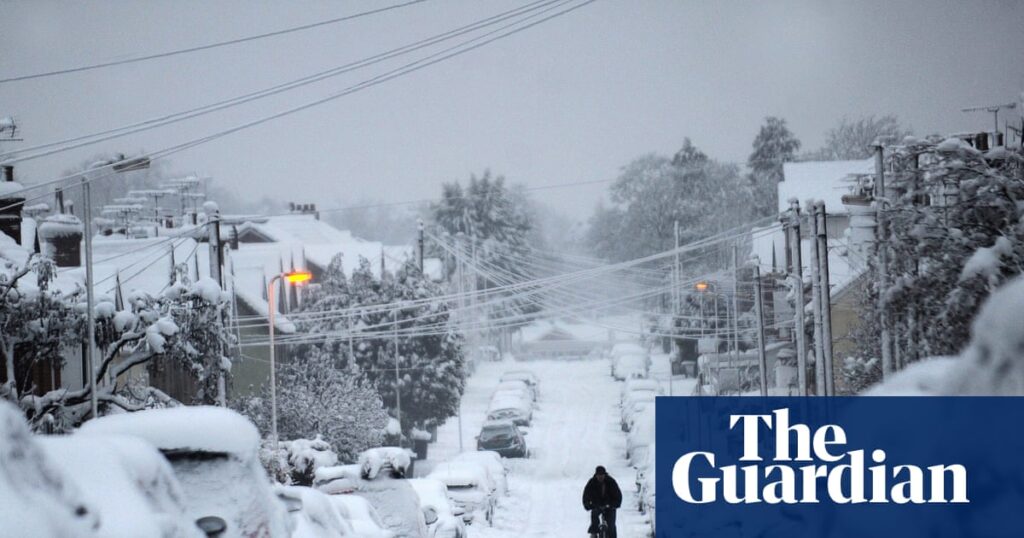
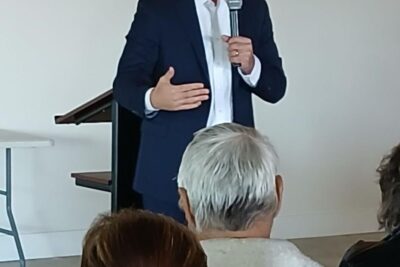
A coalition of eminent scientists has sounded a dire warning to UK leaders, highlighting the potential for severe climate-related risks that could jeopardize the nation’s economy, public health, food systems, and national security. This critical message was delivered during a groundbreaking national emergency briefing held on Thursday morning at the Methodist Central Hall in Westminster, an event that saw the convergence of over 1,000 corporate executives, senior civil servants, and civic leaders.
“This event is about resetting the national conversation, especially in the face of growing misinformation,” stated Prof. Mike Berners-Lee, a prominent climate writer and pioneer in carbon footprinting. His remarks set the tone for the discussions, which featured nine experts providing stark assessments of the extensive changes necessary to adapt to the rapidly evolving climate and ecological landscape.
Kevin Anderson, professor of energy and climate change at the Universities of Manchester, Uppsala, and Bergen, emphasized a critical choice facing society: “The choice is between deep, rapid, and fair decarbonization of modern society, and an organized-ish technical and social revolution; or ongoing rhetoric and delay as temperatures rise.” He cautioned that failure to act could lead to a chaotic and violent upheaval as climate impacts escalate.
Nathalie Seddon, professor of biodiversity at the University of Oxford, added to the urgency by stating, “We are facing a national emergency not only because the climate is changing, but because the living systems that protect the climate are breaking down.” According to her, the discussion must shift from the false dichotomy of economy versus environment to an understanding that the economy is fundamentally intertwined with the health of living systems.
Highlighting the potential catastrophic impacts of climate change, Tim Lenton, director of the Global Systems Institute at the University of Exeter, warned that a collapse of the Atlantic meridional overturning circulation (AMOC) could lead to London experiencing winter temperatures as low as -20°C, while summers would remain hotter than current averages. “We have got to do everything in our power to limit the amount of time we spend above 1.5°C [above preindustrial temperatures],” Lenton urged.
The briefing also attracted notable figures such as actor Mark Rylance, who underscored the relationship between inequality and the climate crisis. “The cost of living crisis is really an inequality crisis. They go hand in hand,” he asserted. Rylance criticized billionaires who finance climate denialism, arguing that they hinder collective action and reinforce feelings of powerlessness among the populace. “They should do better things with their money,” he urged.
In a broader security context, retired General Richard Nugee expressed concern that politicians are disproportionately focused on threats from Russia, neglecting the more insidious threat posed by climate change. “Climate change is going to be a bigger problem than Russia,” he stated, warning that it could inflict more damage than the immediate threats currently prioritized by policymakers. Nugee emphasized the need for resilience against extreme weather events, which could expose vulnerabilities to both environmental and geopolitical adversaries. “The last thing I want to see is this country go to war. But we are not providing a sufficient deterrent, because we are not resilient enough,” he concluded.
This urgent assembly of experts signals a pivotal moment in the conversation about climate change in the UK. With over 1,000 attendees representing various sectors, the event sought to confront the prevalent misinformation surrounding climate issues and mobilize action. As the impacts of climate change become increasingly apparent, the call for coordinated and immediate responses grows louder, demanding a united front from leaders across all sectors.
As the UK grapples with these pressing issues, the dialogue initiated at this briefing may serve as a catalyst for transformative action, aiming to avert the dire consequences of climate inaction. The interconnectedness of climate, economy, and society underscores the urgency of this moment, and as scientists and leaders rally together, the hope remains that they can forge a sustainable path forward.
California’s Governor Race Takes a SHOCKING Turn: What This Dark Horse Just Revealed in Patterson!
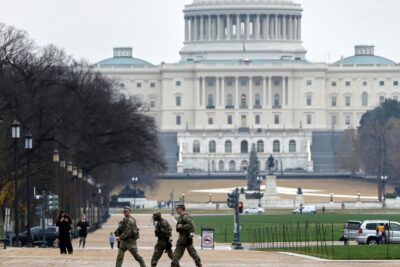
Shocking Twist: Afghan National's Attack on National Guard Leaves 2 Seriously Wounded—What Happens Next?

Is Your Teen's Social Media Use Harming Their Mental Health? Shocking Stats Reveal the Truth!

You Won't Believe What This Robotics Startup Just Unleashed for FREE – Find Out How They Raised £2M!

Apple's Secret Weapon: How They’re About to Crush Samsung with THIS Shocking New Strategy!

You Won't Believe What Happened at the Legends Classic: 5 Shocking Moments That Changed Everything!
You might also like: