
62 MILLION Kids at Risk: Why the Congo's Urgent Measles Vaccination Could Affect Your Family!

Kinshasa— The Democratic Republic of the Congo (DRC) has initiated a nationwide vaccination campaign aimed at protecting approximately 62 million children aged 6 months to 14 years from measles and rubella. This effort comes ahead of the introduction of the combined measles-rubella (MR) vaccine into the national immunization schedule, which will replace the current single measles vaccine. The campaign, designed to close existing immunity gaps among children and adolescents, is critical as the DRC has faced frequent measles outbreaks, leaving over 7 million children under five years of age at risk.
The launch of the vaccination campaign is particularly timely, addressing ongoing health challenges in the region. Dr. Roger Kamba, the Minister of Public Health, Hygiene and Social Security, emphasized the importance of this initiative, stating, “I want to commend our health workers and partners for their commitment to protecting our children. This campaign marks a decisive step toward eliminating measles and rubella in our country. Vaccines are safe, effective, and save lives.” He urged parents and community leaders to ensure that no child is overlooked in the vaccination drive.
This campaign employs a phased approach, organized by blocks of provinces. The first block includes the provinces of Haut-Katanga, Haut-Lomami, Lualaba, Tanganyika, Bas-Uele, Haut-Uele, and Ituri, which will conduct the vaccination from November 27 to December 1, 2025. This strategic rollout is supported by a coalition of organizations including Gavi, the Vaccine Alliance, the Bills and Melinda Gates Foundation, the World Health Organization (WHO), the United Nations Children’s Fund (UNICEF), and the U.S. Centers for Disease Control and Prevention (CDC). Together, these groups aim to ensure comprehensive coverage and eliminate barriers to vaccination.
The introduction of the MR vaccine is expected to significantly mitigate the incidence of Congenital Rubella Syndrome as well. Public health experts stress that this dual-vaccine strategy is essential not just for immediate immunity, but for long-term public health outcomes. Dr. Mohamed Janabi, WHO Regional Director for Africa, noted, “The introduction of the measles-rubella vaccine is an important step for child health and moves us further forward in our collective efforts to ensure that no child suffers or dies from these preventable diseases.”
Despite these advancements, the DRC’s history of low routine vaccination coverage poses a significant hurdle. Past vaccination campaigns have seen coverage rates fall below global targets, exacerbated by a series of recent measles outbreaks. The combined MR vaccine represents a critical opportunity to bolster the immunity of children who have been previously missed and to protect communities from these highly contagious diseases.
To facilitate the campaign, health workers will deliver vaccines through fixed posts and outreach sites, ensuring that even children in remote or conflict-affected areas receive the necessary protections. Community mobilization and engagement with civil society will play key roles in dispelling misinformation and encouraging vaccine uptake among parents. Addressing vaccine hesitancy through strong communication strategies will be essential in achieving the campaign’s goals.
The urgency of this initiative cannot be overstated. The DRC has seen a resurgence of preventable diseases largely due to gaps in vaccination coverage. With millions of children still vulnerable, the successful implementation of the MR vaccination campaign is viewed as a decisive step toward safeguarding the health of future generations. By working together, health officials and communities can pave the way for a healthier tomorrow, one where diseases like measles and rubella are no longer a threat to public health.
Discover the Shocking Secret to Watch the 2025 Macy's Thanksgiving Day Parade FREE – Don’t Miss Out!
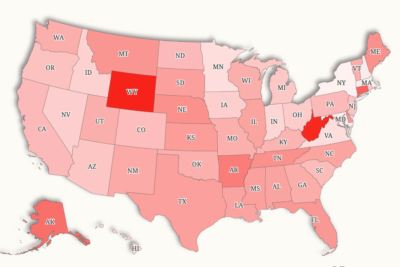
Shocking New Map Reveals States Facing Up to 30% Health Insurance Hikes—Are You Prepared?
Is Your Browser Putting Your Privacy at Risk? Discover What You MUST Do NOW!
Your Browser Might Be Hiding a Shocking Secret—Find Out Why Millions Are Upgrading Today!
Unlock 2024 with Free Mental Health Secrets—Miss Out and Regret It Forever!
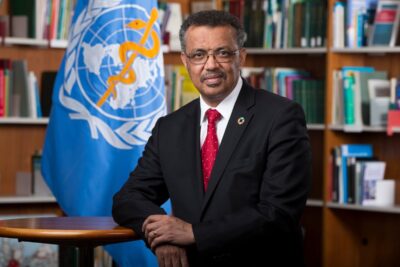
WHO Chief Drops BOMBSHELL on Africa's Health Future: Are We Facing a Crisis? Discover the Shocking Truth!
You might also like: