
Startup Stardust's Shocking Plan: Can Dimming the Sun Save Us from Climate Chaos?

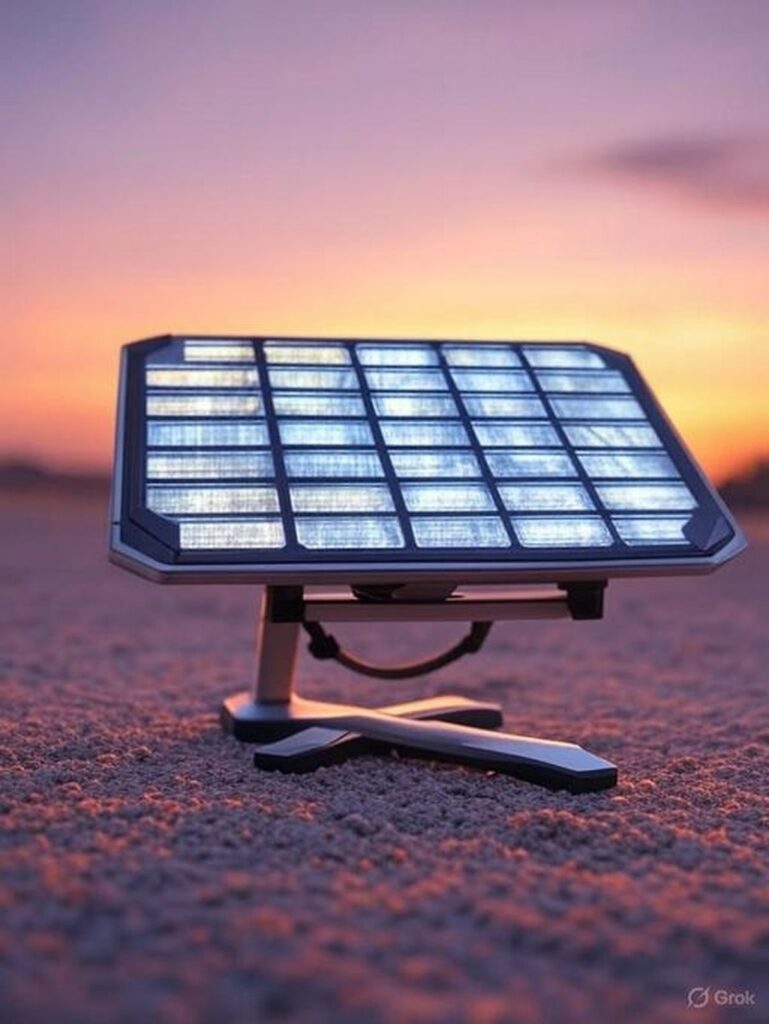
In the escalating battle against climate change, a bold startup named Stardust Solutions is stepping into the spotlight with a controversial plan that aims to alter the planet’s climate by releasing reflective particles high into the stratosphere. With $60 million in funding and a team composed of experts, including former nuclear scientists, the company is at the forefront of the solar geoengineering debate.
Founded in 2023, Stardust Solutions seeks to mimic the natural cooling effects seen after significant volcanic eruptions, such as the 1991 eruption of Mount Pinatubo in the Philippines, which temporarily decreased global temperatures by about 0.5 degrees Celsius. This method, known as solar geoengineering or stratospheric aerosol injection, gained traction when researchers at Harvard University suggested injecting millions of tons of tiny, sunlight-reflecting particles into the upper atmosphere via balloons or aircraft, aiming to cut future temperature rises in half.
Taking this concept further, Stardust plans to utilize aerosols designed to last longer in the stratosphere than natural counterparts like sulfur dioxide. Their CEO, Yanai Yedvab, envisions deploying fleets of high-altitude aircraft to disperse these particles at altitudes of 60,000 feet, which could theoretically block 1-2% of incoming sunlight. The company claims its particles are "abundant in nature, chemically inert in the stratosphere, and safe for humans and ecosystems," with a promise that they will naturally return to the Earth over time.
However, the potential for rapid cooling comes with significant risks and uncertainties. Experts caution that altering the planet's temperature could lead to severe weather changes, such as droughts, extreme rainfall, or hurricanes, particularly affecting vulnerable regions. Research suggests that changes in monsoon patterns could devastate agricultural systems in areas like sub-Saharan Africa or South Asia. As Janos Pasztor, a former United Nations climate official, stated, “There will be winners and losers.”
Pasztor initially joined Stardust as an advisor on governance but stepped back due to concerns regarding the risks of dependency on geoengineering and the catastrophic "termination shock" that could occur if such interventions were suddenly halted. He emphasized the need for a global framework to assess risks, advocating that decisions affecting the planet's climate should not be left to a handful of private companies or wealthy nations.
The regulatory environment surrounding geoengineering remains weak. While the UN's Convention on Biological Diversity has a moratorium on geoengineering deployments, it is non-binding and does not sufficiently regulate small-scale experiments. Although Stardust has stated that it will not proceed without global governmental approval, the lack of clear international guidelines opens the door for unilateral actions by startups, countries, or even rogue actors seeking climate relief. The Center for International Environmental Law has warned that Stardust's experiments could violate international norms and disrupt weather patterns, agriculture, and ecosystems.
Public opinion around Stardust's plans is sharply divided. While some view the company as a pioneering innovator, others express significant concerns. Critics, including French commentator Silvano Trotta, have labeled the idea as “psychopathic,” fearing undisclosed particle compositions or unintended ecological consequences. The notion of “playing God with the weather” raises alarms, suggesting that privatizing planetary cooling might exacerbate global inequalities while provoking geopolitical tensions. Voices from Europe, such as German politician Nicole Höchst, emphasize that geoengineering is no longer a fringe topic but a pressing global issue that could impact food security and biodiversity.
Despite the controversies, Stardust is pursuing a business model that aims to monetize geoengineering by patenting its technology for carbon credit markets or government contracts. The estimated cost of geoengineering could run into the billions annually, a fraction compared to the trillions required for full decarbonization. With initial outdoor experiments set for April 2026, potentially over Israel or the U.S., and full deployment targeted for 2030, the industry is watching closely.
Backing from billionaire Chris Sacca's Lowercarbon Capital indicates confidence in the scalability of Stardust's approach. Yet, critics and ethicists question whether a small startup should possess such profound influence over planetary systems. Comparisons to previous controversial experiments, like Russ George's ocean fertilization attempt, highlight the potential for backlash against unregulated interventions. Pasztor and others call for transparency, urging companies to disclose particle compositions and involve indigenous groups and developing nations in decision-making processes.
As the world grapples with rising temperatures and looming climate tipping points, the appeal of geoengineering solutions like Stardust's becomes increasingly tempting. The Carnegie Climate Governance Initiative, founded by Pasztor, advocates for a research moratorium until robust governance frameworks are established, with proposals for a geoengineering treaty or oversight by the Intergovernmental Panel on Climate Change.
The conversation surrounding geoengineering is becoming ever more critical, not only for environmental scientists and policymakers but for the public as well. A notable cultural reference came from a 1995 episode of The Simpsons, which humorously depicted a solar geoengineering device controlled by the villainous Mr. Burns. While Stardust may have nobler intentions, society must confront the pressing questions: Can humanity safely engineer the climate? Who holds the authority to make these decisions? And what consequences might arise from a catastrophic failure?
As Stardust prepares for its outdoor tests, it embodies the dual promise and peril of innovation in the climate crisis. The coming years will determine whether this ambitious vision fosters global cooperation or leads to chaos, highlighting that the geoengineering debate is far from resolved.
You Won’t Believe These Jaw-Dropping Black Friday Tech Deals – Up to 70% OFF GPUs, CPUs & More!

Is Governor Kathy Hochul Really Spending $1 Million on Luxury? You Won't Believe What This Means for NY!

You Won't Believe How the Rams' Shocking Win Changes NFL Week 11 Forever!
City Council's SHOCKING Turnaround: What Controversial Social Media Policy Could Mean for YOU!
You Won't Believe What Happens When You Try to Access This Forbidden Page – Shocking Truth Revealed!

Shocking 911 Call Leads to Tragedy: South Phoenix Family Fights for Justice After Dad's Death!
You might also like: