
You Won’t Believe How Much Sugar Is Hiding in Your ‘Healthy’ Snack Bars—This Shocking Study Reveals the Truth!

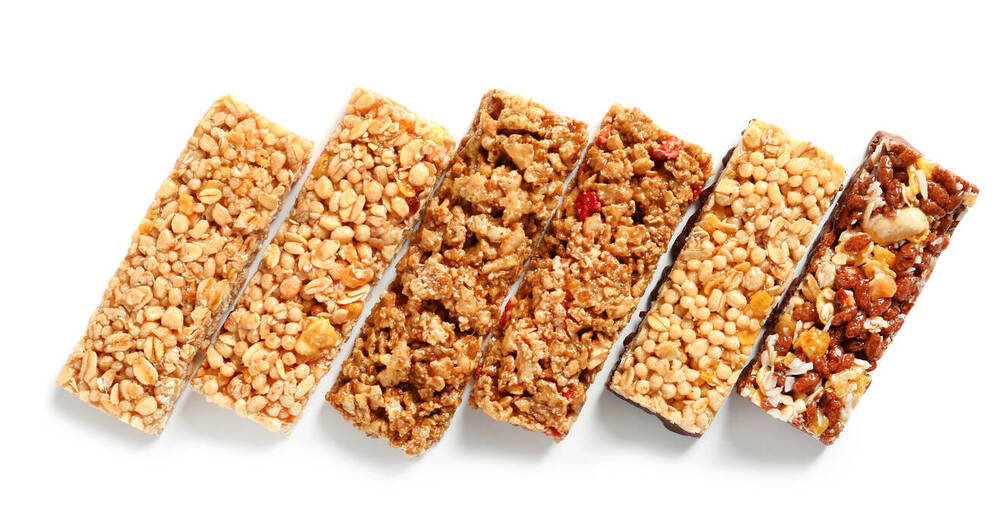
A significant new survey by Action on Salt and Sugar has raised alarms over the nutritional content of snack bars marketed as “healthy.” Conducted to coincide with Sugar Awareness Week, the analysis scrutinized 458 products from ten leading UK supermarkets and found that nearly 70% would receive a “high in sugar” warning label if they adhered to Chile’s more stringent front-of-pack regulations.
Despite their wholesome branding, the bars contained an average of 7g of sugar per serving—almost two teaspoons—which represents approximately one-third of the maximum daily sugar intake recommended for children aged 7 to 10 years. Some products, however, contained even higher levels. For instance, the M&S Dark Chocolate Date Bar had a staggering 26.5g of sugar, while Kellogg’s Rice Krispies Squares Caramel & Chocolate offered 14g. Even those marketed as high-protein options, like the Deliciously Ella Roasted Peanut Protein Ball, contained 16g of sugar per serving.
The variance in energy content was also notable, with products ranging from 62 to 378 kcal per serving. On average, a snack bar had 175 kcal and 7.2g of total fat. Some flapjack-style bars approached the calorie content of a small meal. Government guidance indicates that snacks and drinks should account for no more than 20% of daily energy intake, equating to about two 200-kcal snacks for a moderately active woman. Alarmingly, nearly a third of the products surveyed exceeded this threshold.
According to the UK’s traffic-light labeling system, 37% of the bars were high in sugars, and 55% were classified as high in saturated fat. Under Chile’s recognized labeling framework, 68% would warrant a high-sugar warning. Action on Salt and Sugar argues that these findings reveal how outdated UK labeling rules fail to accurately portray the nutritional profiles of products that make claims like “high in fiber,” “source of protein,” or “natural ingredients.” Even among bars that advertised high-fiber content, nearly one-third were still high in sugars.
The charity highlights that weak regulations and misleading marketing are contributing to the excessive sugar intake seen in children and young people. Many of the products identified as “less healthy” are already restricted from in-store promotion and will fall under new advertising limits for television and online platforms before 9 p.m. starting January 2026.
In response to these findings, Action on Salt and Sugar is pressing the government to implement mandatory, color-coded, or warning-label nutrition information across all food and drink, including those sold out of home. They also demand stricter control over health and nutrition claims, along with a new series of levies targeting foods high in salt and sugar, building on the success of the Soft Drinks Industry Levy.
The research also brings attention to shortcomings in the UK’s voluntary sugar-reduction program, launched in 2016 with a goal of reducing sugar by 20% across key categories by 2020. The initiative has shown only modest progress, with sugar in biscuits—including cereal bars—dropping by just 3.1%. The rapid expansion of the protein-bar market complicates matters further, as energy and protein bars are not clearly classified within the sugar-reduction framework. Although most protein bars met the calorie cap, over a quarter exceeded the 20% sugar guideline applicable to biscuits.
The findings have been described as revealing a “pattern of misleading marketing” by Dr. Kawther Hashem, Senior Lecturer in Public Health Nutrition and Head of Research and Impact at Action on Salt and Sugar. “Parents and young people are being misled into believing these products are healthy when many contain excess sugar and calories,” she noted. Dr. Hashem insists that the government must take more decisive action by mandating clear front-of-pack labeling, tightening sugar thresholds, and setting ambitious sales targets focused on healthier products.
Nourhan Barakat, a nutritionist at Action on Salt and Sugar, also emphasized that consumers should not have to wrestle with complicated claims to determine whether a product is healthy. “Phrases like ‘natural ingredients,’ ‘high in fiber,’ and ‘high protein’ can be deceptive, as many of these bars are high in sugar and saturated fat,” Barakat explained. “It’s unacceptable that an average serving provides nearly one-third of a child’s recommended daily sugar intake, putting young children at risk of diet-related health conditions that could last a lifetime.”
Poco F7's Black Friday Price Cut: Is This the Smartphone That Outperforms Rivals in 2025? Don’t Miss Out!
Is Your Next Smartphone Decision Secretly Controlled by ChatGPT? You Won’t Believe What Happens Next!

Why Nvidia and Tesla's Shocking Surge Just Made Wall Street Hold Its Breath—Are You Missing Out?

You Won't Believe What Melania Trump Did with Michigan’s FIRST White House Christmas Tree in 40 Years!

The Shocking Truth Behind Your Favorite Boxed Seasoning Mix: What They’ve Taken Away Will Change Your Cooking Forever!

Finnish Startups Shock World by Raising Over €1.5B in 2025—What’s Their Secret?
You might also like: