
US Demands EU to Dismantle Controversial Digital Rules – What Are the Shocking Consequences?

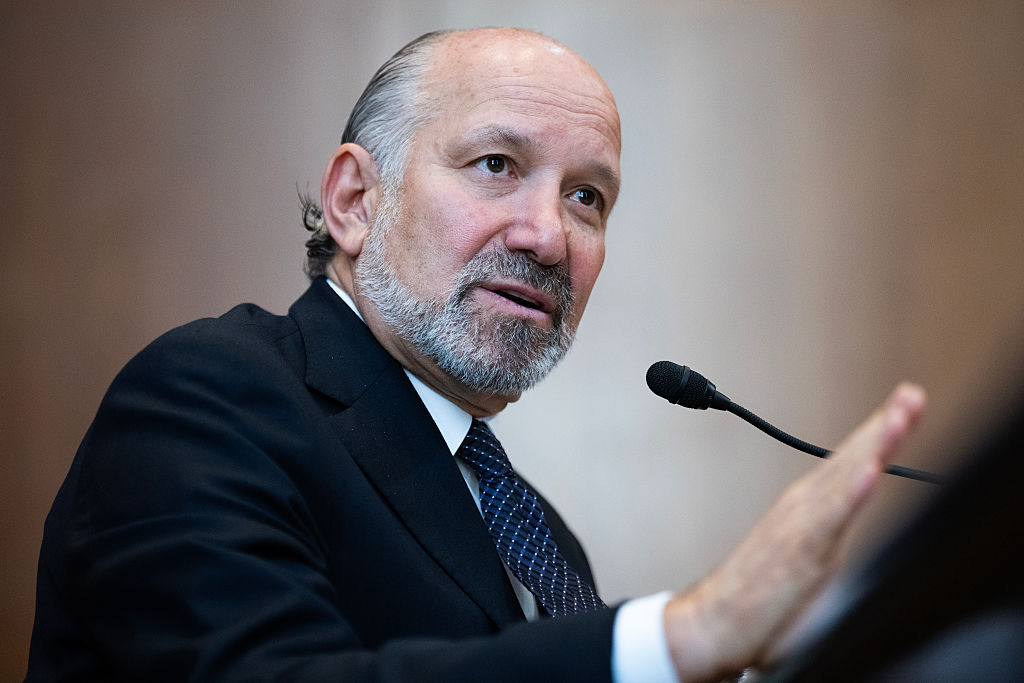
During a recent visit to Brussels, US Secretary of Commerce Howard Lutnick escalated the Trump administration’s critique of the European Union's digital regulations. In an interview with Bloomberg, Lutnick urged the EU to reconsider its existing digital rulebook, which he claims disproportionately targets American technology companies. This move comes as Lutnick meets with EU trade ministers to discuss the ongoing US–EU trade deal.
The crux of Lutnick's argument centers on the Digital Services Act (DSA) and the Digital Markets Act (DMA), which impose regulations on companies that exceed certain usage thresholds—often affecting US tech giants. During the interview, he stated, “That can’t be the rules, let’s take it off,” advocating for a more accommodating regulatory framework that would encourage growth and investment from American firms.
Lutnick went further, implying that a streamlined regulatory environment could lead to US companies investing “hundreds of millions of dollars” in data centers within the EU. “The idea is if they [the EU] take their foot off this regulatory framework and make it more inviting for our companies, they can get the benefit of hundreds of billions, possibly a trillion dollars of investment a year,” he emphasized. This projection highlights the significant financial implications of regulatory policies on international investments.
In a related meeting earlier that day, Lutnick and US Trade Representative Jamieson Greer conferred with EU Tech Commissioner Henna Virkkunen. According to a press release from the European Commission, the two parties discussed the “importance” of enforcing the DSA and DMA rules. Additionally, Virkkunen presented the EU’s recent simplification agenda, which includes the Digital Omnibus package, aimed at reducing privacy regulations and imposing a freeze on regulations concerning high-risk artificial intelligence.
While Lutnick refrained from commenting on his meeting with Virkkunen, he made it clear that he was warning European ministers about the potential consequences of their current regulatory model on US tech investments. “There’s the carrot and the stick,” he remarked, indicating a dual approach of incentives and penalties that the EU might wish to consider if it hopes to attract American tech investment.
This ongoing dialogue reflects broader tensions between the United States and the European Union regarding digital regulations. The EU has been progressively tightening its grip on technology firms, emphasizing consumer protection and market fairness. However, US officials argue that such regulations can stifle innovation and economic growth on both sides of the Atlantic.
The stakes are high. As technology continues to play an integral role in the global economy, the relationship between US tech companies and European regulations will significantly impact investment flows. Lutnick's call for reform suggests a potential pivot towards a less restrictive environment could have substantial economic benefits for the EU.
In summary, while Lutnick's visit highlights ongoing diplomatic efforts to reshape US-EU trade relations, it also underscores the delicate balance that must be navigated between regulation and innovation. As both sides continue discussions, the outcome could redefine the landscape for international tech investment.
Unlock Massive Savings: Why You Could Miss Out on Up to 40% Off ASUS Tech This Holiday!

Why SLOFT's Shocking Move to Halt Vehicle Fitness Fee Hike May Change Your Commute Forever!

Bally's Soo Kim Reveals Shocking Secrets Behind Star Entertainment Deal – What You MUST Know!

Election Scandal Unveiled: South Dakota Chief's Shocking Split with Voter Integrity Advocates!

Is Your Child Next? Shocking New Country Joins Australia in Banning Social Media—Find Out Why!

The Coen Brothers’ Most Overlooked Masterpiece Won the Palme d'Or – Are You Missing This Hidden Gem?
You might also like: