
The Coen Brothers’ Most Overlooked Masterpiece Won the Palme d'Or – Are You Missing This Hidden Gem?

When you buy through links on our articles, Future and its syndication partners may earn a commission.
In the pantheon of Coen Brothers films, where classics like No Country for Old Men and The Big Lebowski often take center stage, Barton Fink (1991) remains a unique gem that deserves renewed attention. While it's celebrated for winning the prestigious Palme d'Or at the Cannes Film Festival—the only Coen film to do so—it often slips through the cracks of mainstream discussion. However, those who take the plunge into this cinematic nightmare may find themselves captivated by its intricate themes and compelling performances.
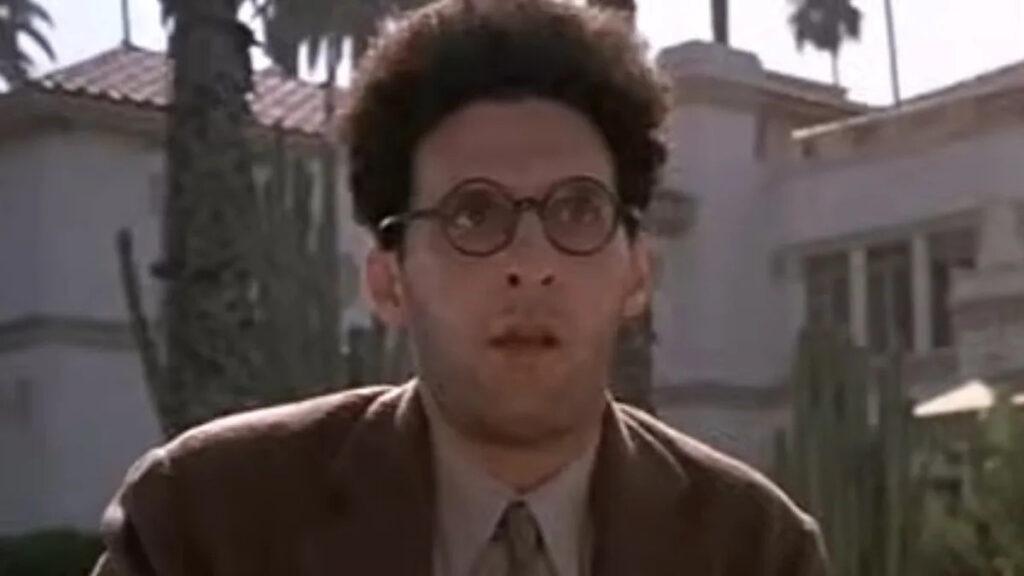
At its core, Barton Fink follows a New York playwright, portrayed by John Turturro, who is summoned to Hollywood to write a wrestling movie, an endeavor he feels utterly unprepared for. This situation leads to crippling writer's block, driving him into the depths of a psychological hellscape that some audiences liken to Dante's Inferno. The film’s dark comedy elements are juxtaposed with a nightmarish narrative, as the line between creativity and madness blurs.
One of the film's standout features is the character of Charlie Meadows, played by John Goodman. Initially introduced as a friendly insurance salesman, Meadows soon reveals a sinister underbelly—he is a serial killer masquerading as an amiable neighbor. This transformation not only ramps up the tension but also serves as a critique of the Hollywood system, with Fink inadvertently becoming an accessory to murder. The absurdity of Fink's situation, compounded by the pressure of an impending deadline, offers viewers a unique blend of dark humor and thriller elements, making it one of the Coen Brothers' most distinct offerings.
Goodman delivers a performance that is nothing short of electrifying. His character descends into madness, culminating in a scene where he confronts police officers amidst chaos, passionately exclaiming about “THE LIFE OF THE MIND." This moment encapsulates the film’s exploration of artistic integrity, mental anguish, and the often murky waters of collaboration in the creative process. It showcases Goodman’s ability to oscillate between warmth and menace, a trait that has defined his career.
For many, including myself, Barton Fink resonates deeply because it addresses the pervasive issue of writer's block—a challenge I have faced repeatedly in my own career. The film brilliantly captures the feeling of staring blankly at a page, grappling with the frustration of unexpressed ideas. This representation of creative paralysis is relatable and painfully accurate, reflecting a universal struggle that many writers experience. The film’s depiction of Fink’s mental and emotional deterioration is so poignant that it often feels unsettlingly real.
The Coen Brothers also excel in establishing a rich historical backdrop, with the story set in 1941. Their attention to detail immerses the audience in the era, from the clothing to the ambient sounds of typewriters clacking away. The film's setting feels like a character in its own right, with the grungy Los Angeles hotel where much of the action takes place serving as a symbol of Fink's isolation and creative struggle. This atmosphere is reinforced by performances from actors like John Mahoney, who represents a thinly veiled version of literary giant William Faulkner.
As the film progresses, Fink's fixation on a photograph of a woman on the beach becomes a metaphor for his longing for freedom from his oppressive environment. The film culminates in a surreal ending that sees him finally at the beach, encountering the very woman he had idolized in the photograph. When he asks her if she has ever been in pictures, her response—a simple “no”—is laden with existential dread and humor, challenging viewers to question the nature of dreams and aspirations.
In conclusion, Barton Fink is a film that deserves more recognition for its complex exploration of creativity, identity, and the often bleak landscape of artistic endeavor. It's a work that doesn't shy away from the darker aspects of the creative process, serving both as a cautionary tale and a darkly comedic reflection on the struggles writers face. If you haven’t yet experienced this unique film, it's time to dive into the twisted world of Barton Fink. Your perspective on the act of creation may never be the same.
You Won’t Believe How This Pro Athlete’s Mindset Can Save Your Real Estate Career from Ruin!

Why This Week's Egyptian Election Could Change Everything: Voters Shocked by Unbelievable Turnout!

Is Your Favorite Snack Hiding 30% More Sugar? Discover the Shocking Truth Now!

Rock Legend Claims Fan YANKED His Hair During Performance—You Won't Believe His Reaction!

From Dry-Cleaning to $1 Billion: How Fei-Fei Li Became AI's Most Controversial Figure!
Is Your Browser Putting You at Risk? Discover the 3 Shocking Dangers Your Web Surfing Could Face!
You might also like: